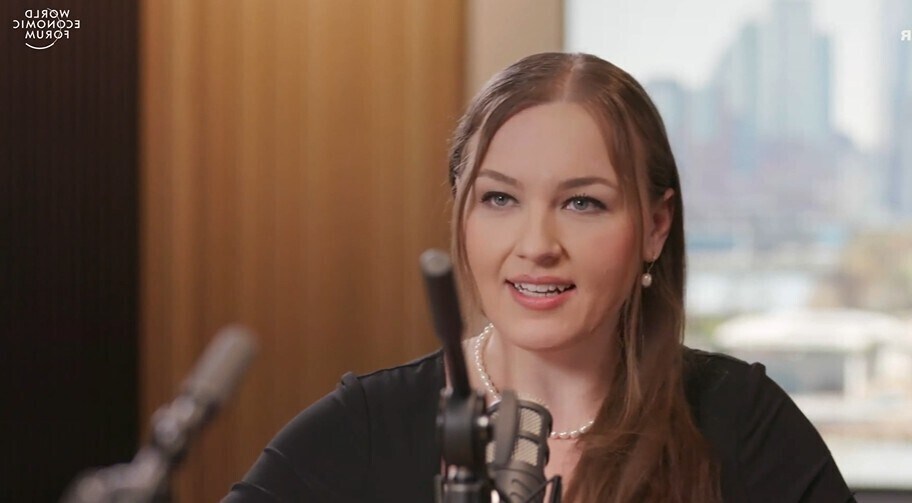
Most of the world’s information is stored digitally in a way that’s vulnerable to disappearing without warning thanks to everything from link rot and server changes, to someone not paying their web hosting bill. Some information might even disappear because bad actors have removed or changed it. Civil liberties lawyer and Filecoin Foundation president Marta Belcher explains why the modern standard for how we store information is so vulnerable and why protecting data is a human rights issue. She breaks down a fundamentally new approach (leveraging crypto and decentralized databases to protect information and create new incentives to store it) and how it serves as a sneak peek at how Web3 technologies could bake in new approaches to privacy and civil liberties protections. She’ll share how it’s already being used to protect digital artifacts such as Ukraine war crime evidence and Alexander Graham Bell’s earliest sound recordings, and how it could even be used to improve space communications. Marta, a crypto law pioneer, also shares unique ways she’s driven open-source solutions throughout her life and career and how these lessons can help any leader better collaborate.

Economic Growth
Why are prices still rising? And more top economic stories to read this month