Scroll down for full podcast transcript - click the ‘Show more’ arrow
Going green - in energy, agriculture, industry and elsewhere - will have costs and benefits, so how can we ensure the poorest don't pay the price or miss out on the opportunities?
A new report from the World Economic Forum has defined six 'archetype' countries and looks at the differing challenges across the globe, and what policymakers need to know to achieve an 'equitable transition'.
Guest:
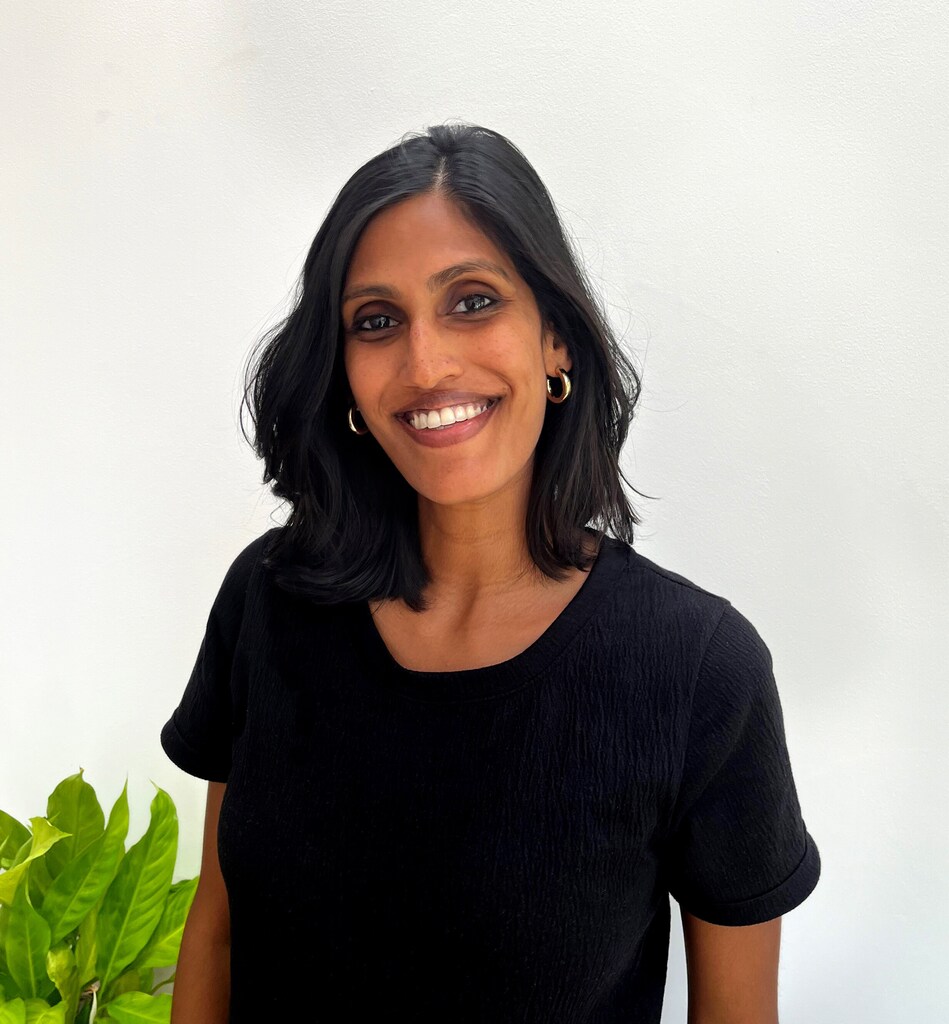
Tarini Fernando, Lead, Equitable Transition, World Economic Forum
Links:
Accelerating an Equitable Transition: A Data-Driven Approach: https://www.weforum.org/publications/accelerating-an-equitable-transition-a-data-driven-approach/
Related articles:
How do we ensure the green transition doesn't penalize the poorest? https://www.weforum.org/agenda/2024/07/green-transition-equity-energy-report/
5 key insights into how to accelerate an equitable energy transition: https://www.weforum.org/agenda/2023/06/5-key-insights-accelerate-the-energy-transition-amnc23/
Why the global energy transition must be just and equitable: https://www.weforum.org/agenda/2022/06/why-the-global-energy-transition-must-be-just-and-equitable/
Why it's vital to take a people-centred approach to equitable energy transitions: https://www.weforum.org/agenda/2024/06/people-centred-approach-towards-equitable-energy-transitions/
Related podcasts:
What are the 'positive tipping points' that could help us accelerate out of climate disaster?
How chemicals companies are joining forces to become more sustainable
Where are the innovations that can make mining more sustainable?
Advanced Energy Solutions: scaling up the tech that can help us get to net zero
No laughing matter: Can comedy help us tackle climate change?