Scroll down for full podcast transcript - click the ‘Show more’ arrow
Half the world’s population - 3.5 billion people - are affected by oral diseases, with huge impacts on other health conditions and on the economy. But oral health is often seen as quite separate from other health conditions and is often underfunded or excluded from health insurance schemes.
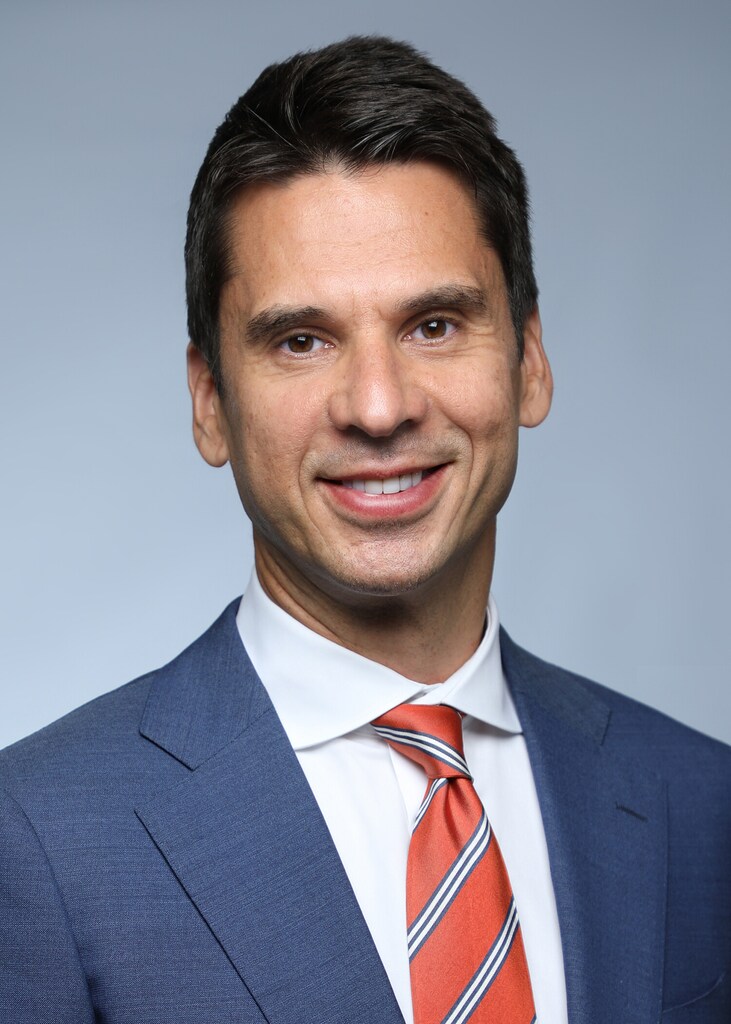
Marko Vujicic, Chief Economist & Vice President, Health Policy Institute at the American Dental Association, co-authored a report called "The Economic Rationale for a Global Commitment to Invest in Oral Health" and joins Radio Davos to tell us more.
Links:
The Economic Rationale for a Global Commitment to Invest in Oral Health: https://www.weforum.org/publications/the-economic-rationale-for-a-global-commitment-to-invest-in-oral-health/
Half the world is affected by oral disease – here’s how we can tackle this unmet healthcare need: https://www.weforum.org/agenda/2024/05/oral-health-crisis-global-equity-affordable-dental-care/
Global Health Equity Network: https://initiatives.weforum.org/global-health-equity-network/
Related podcasts:
Quality over quantity: why the time has come for 'value based health care'
'We have the most to benefit, but also the most to lose': how AI could transform human health
American Heart Association: How prosperity can bridge health equity gaps
Antimicrobial resistance - how to stop a quiet pandemic
Check out all our podcasts on wef.ch/podcasts:
YouTube: - https://www.youtube.com/@wef/podcasts
Radio Davos - subscribe: https://pod.link/1504682164
Meet the Leader - subscribe: https://pod.link/1534915560
Agenda Dialogues - subscribe: https://pod.link/1574956552
Join the World Economic Forum Podcast Club: https://www.facebook.com/groups/wefpodcastclub