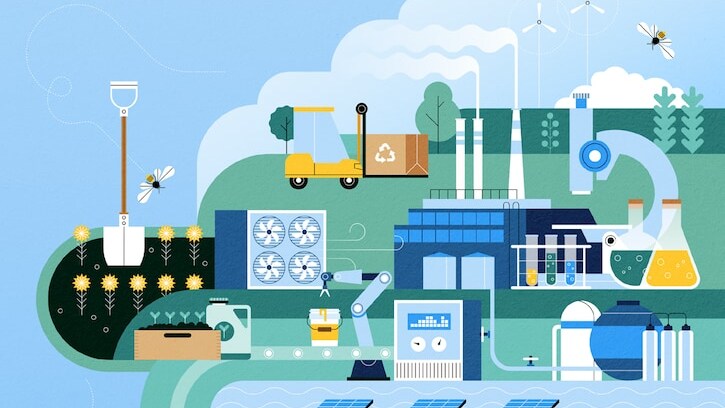
Global chemicals sales total around $4 trillion a year and provide essential materials for 95% of all manufactured goods worldwide. This report sets out five sector-specific priority actions for the chemical sector to reduce its impact on nature through water use, pollution, GHG emissions and land-use change, and unlock the $320 billion in annual business opportunities by 2030 in the new nature-positive economy.
The Global Biodiversity Framework, adopted in 2022, aims to halt and reverse nature loss by 2030. It calls for participation by all stakeholders, including businesses and financial institutions. Every part of the global economy is dependent on nature and its ecosystem services. To take nature-positive action at the scale and speed required, it is crucial for businesses to understand their specific interactions with nature within their sectors.
To help inform these sectoral approaches, the World Economic Forum and Oliver Wyman have released a report series detailing material impacts and dependencies on nature and setting out priority actions within sectors to avoid and reduce the negative impacts, mitigate nature-related risks and unlock opportunities across value chains.