Morocco's Green Mosques Initiative aims at reducing the country's dependence on hefty energy imports and fossil fuels.
With installation of LED lights and solar panels, the initiative is expected to have a ripple effect on the country's households and industry.
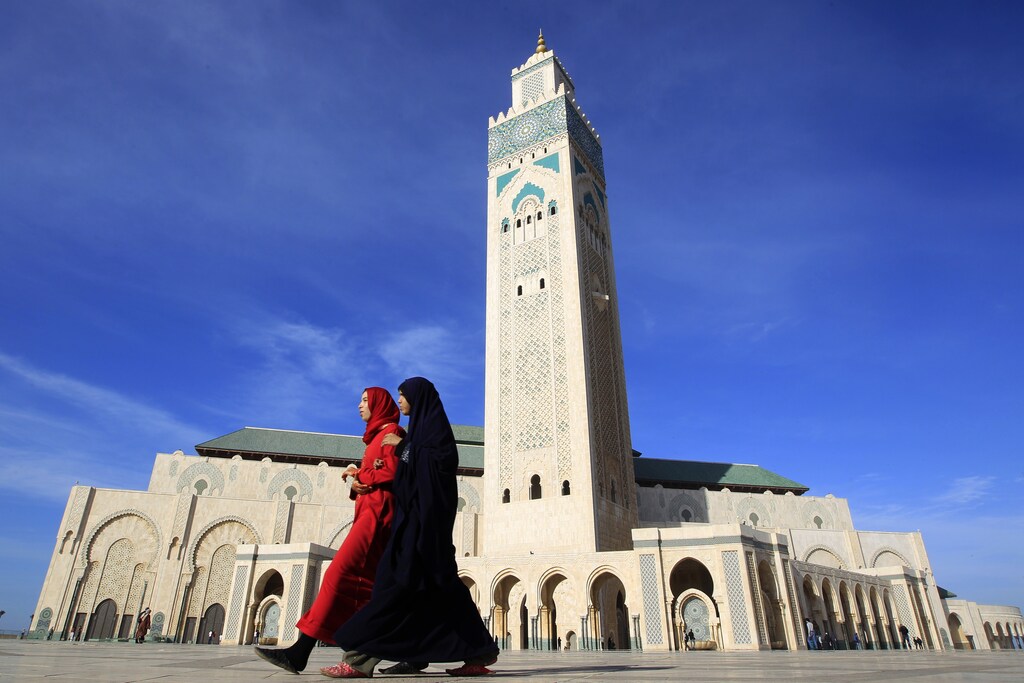
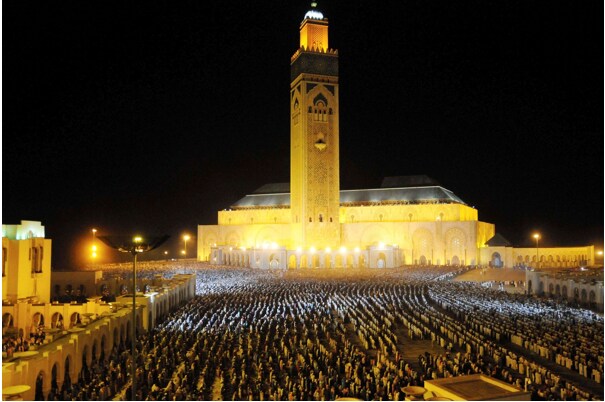
Morocco, the host of the 2016 UN Climate Change Conference (COP22), has begun a push to make its mosques more energy efficient.
The government is equipping state-funded mosques with LED lighting and solar panels and water heaters, with promising results: one mosque is reported to have reduced its energy bill by 80%, following a $30,000 investment.
The Green Mosques Project
‘Green Mosques’ is the latest initiative aimed at making Morocco not only more energy-efficient, but also more independent in energy terms.
Sustainability, affordability and the security of energy are big concerns around the globe as climate change and depleting fossil fuel resources continue to exert a tight grip on the world’s business and political leaders.
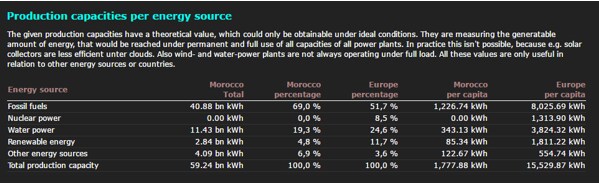
Almost all (95%) of Morocco’s energy comes from abroad. This reliance leads to a significant import bill and dependence on international markets and neighbouring countries such as Algeria (gas) and Spain (electricity). Added to this is the country’s heavy reliance on fossil fuels and the resulting greenhouse gas emissions.
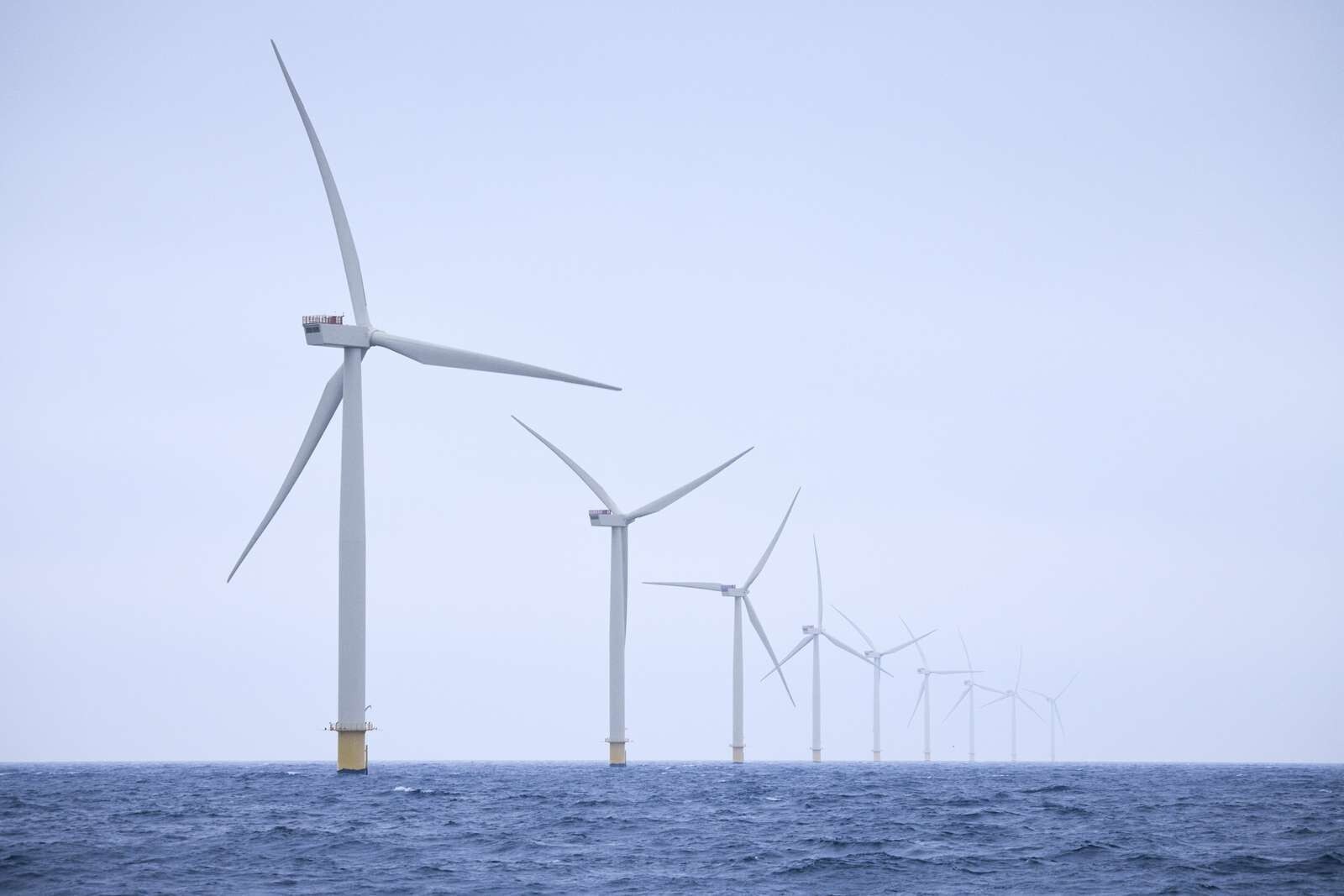
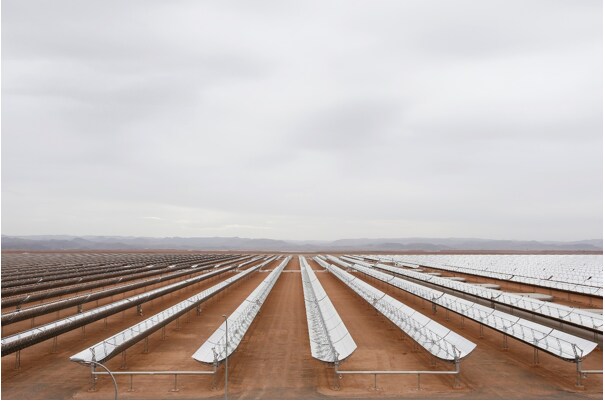
Over the past decade, Morocco has taken steps to tap into its own sizeable renewable energy resources. For example, its giant new solar power plant, the Noor-Ouarzazate complex, which is set to power over a million homes.
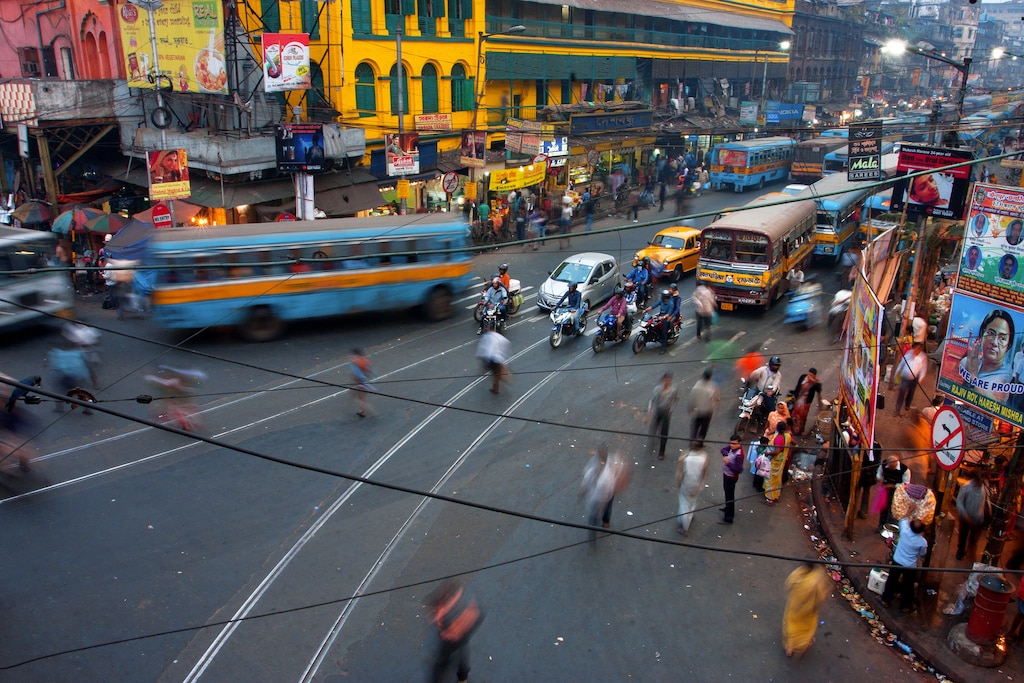
In addition to major infrastructure projects to facilitate this shift, the government has also set about making Moroccans’ everyday lives more sustainable. The use of plastic bags has been banned, tram networks in major cities are being expanded, old buses and taxis replaced, and Morocco has also launched Africa’s first bike hire scheme.
Upgrading Moroccan mosques to be more energy-efficient 'Green Mosques' not only has a practical impact but the initiative is also expected to generate a ripple effect. Given that mosques are central to the lives of the country’s Muslim population, it is hoped that their ‘greening’ will serve as a public showcase for making other buildings more energy-efficient.
The goal of the 'Green Mosques' project is to encourage both the country’s households and local industry to cut energy consumption by a fifth by 2030.