A new PwC survey spoke to nearly 52,000 people across 44 countries and territories about the future of work.
The results suggest that the Great Resignation is set to continue.
Pay is the key driver for people seeking a new employer, the survey found.
It also found a majority in favour of a mix of in-person and remote work.
The Great Resignation is set to continue, according to the result of a new survey by consultancy firm PwC.
The survey of 52,195 workers in 44 countries and territories suggests that one of the biggest post-pandemic trends for the future of work is set to continue, with 1-in-5 workers saying they're likely to switch to a new employer in the next 12 months.
The survey also found that 35% of employees plan to ask for a raise in the next year.
The Great Resignation continues
So what's driving workers to seek opportunities elsewhere? The PwC survey about the future of work found that pay is the key driver for people seeking a new employer, with nearly three-quarters of those asked naming this as a factor.
Also on people's list of reasons was wanting a fulfilling job (69%) and wanting to truly be themselves at work (66%).
Compared to those who have no intention of moving, those who are looking to move are 14 percentage points less likely to find their jobs fulfulling, 11 percentage points less likely to feel they can truly be their self at work and 9 percentage points less likely to feel fairly rewarded financially.
The gender gap persists
This survey about the future of work also suggests some polarization of global workforces. Women were less likely than men to say they were fairly financially rewarded, but also less likely to ask for a raise. Add to that the fact women are less likely to feel like their manager will listen to them and a picture of gender differences is clear.
“It is bad for society and bad for business when there is a failure to ensure women have the same opportunities as men to develop their skills and careers," said Pete Brown, Co-Leader of PwC’s Global People and Organisation services. "One of the quickest ways to strengthen the workforce is to ensure women are not overlooked - which means addressing the culture, systems and structures that can lead to women losing out.”
It's a picture that was mirrored in the latest World Economic Forum Global Gender Gap report. The 2021 edition found that the Economic Participation and Opportunity gap remains the second-largest globally and is set to take 267.6 years to close.
How is the World Economic Forum promoting equality in the workplace?
The Future of Jobs Report 2023 found that 75% of companies surveyed expect to adopt AI, big data and cloud technologies in the next five years.
The Centre for the New Economy and Society provides a platform for leaders to share insights on the adoption and efficacy of new technologies, and the readiness of the workforce to use them. Our work includes developing insights and dialogue on growth, jobs, skills, equity and risks.
Learn more about our impact:
Gender parity: Since 2006, we have annually measured the state and evolution of gender parity in 101 economies, supporting decision-makers to identify the most effective policies to close gender gaps. In Chile, we helped establish gender parity accelerators and benefitted 728,000 women – reducing the gender gap by 37% in the participating companies.
Reskilling Revolution: With our partners, we are helping the global workforce future-proof their careers, working with over 350 organizations to provide 1 billion people with better education, skills and economic opportunities by 2030.
Disability inclusion: Working with the Valuable500, we are collaborating with the largest global network of CEOs committed to closing the disability inclusion gap. Members are making progress by increasing the adoption of digital accessibility best practices and including disability in diversity, equity and inclusion strategies.
Racial justice: We are collaborating with a global coalition of 55 organizations in 13 industries who are committed to building equitable and just workplaces for professionals from under-represented racial and ethnic identities.
Want to know more about our centre’s impact or get involved? Contact us.
The future of hybrid work
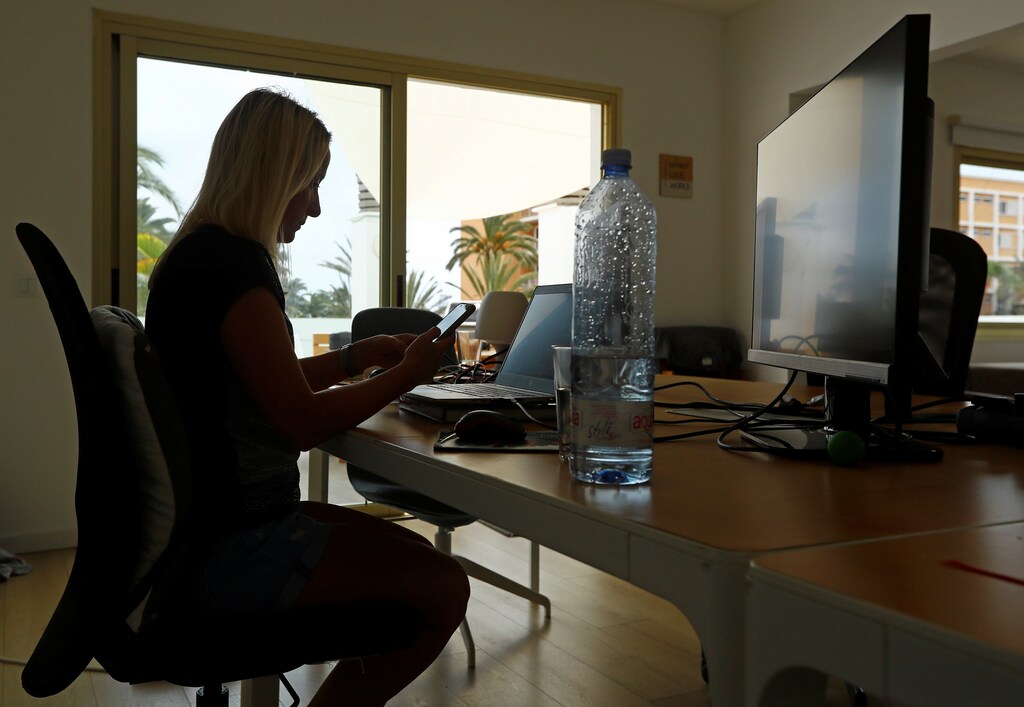
Nearly two-thirds of respondents whose jobs are possible remotely said they prefer a mix of in-person and remote working - a figure that hasn't changed since last year. Just 11% would prefer a return to full-time in-person work, while 18% say their employers are likely to require it.
However, nearly half of those surveyed said it wasn't possible to do their job remotely (45%).