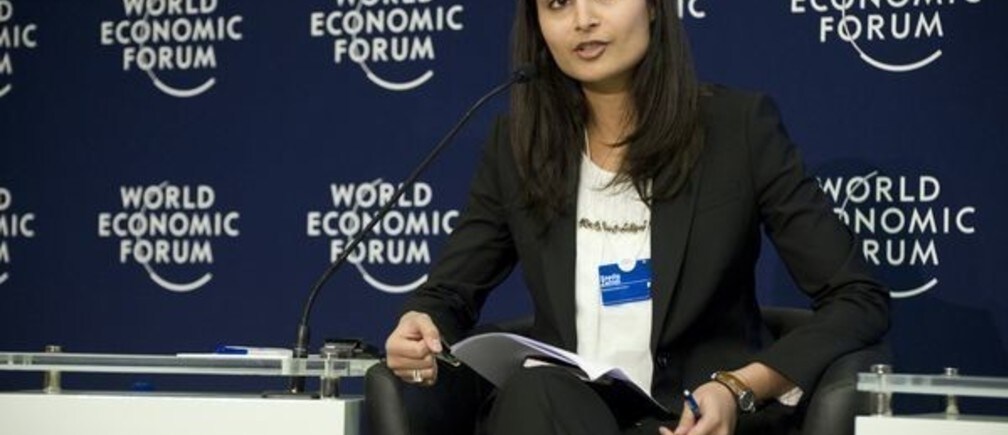
Saadia Zahidi is guest blogging for the Forum. She is Director, Women Leaders and Gender Parity Programme at the World Economic Forum.
Today we commemorate the 100th International Women’s
Day, celebrating the enormous strides women
have made over the past century. There are still vast differences between women and men in terms of access to resources and opportunities, and the question is: how do we ensure that we do not have to wait another 100 years before we can celebrate full equality between women and men?
Research from the World Economic Forum has demonstrated a strong positive correlation between closing gender gaps and country competitiveness. Other studies have shown a positive correlation between gender diversity on organizational leadership teams and company performance. There is also new research on the growing “power of the purse” and how female spending priorities may lead to rising household savings rates and shifting spending patterns in emerging markets.
For a growing number of organizations and countries, the economic incentives for closing gender gaps are clear, but the information on how to achieve gender parity is still missing. The Forum’s Women Leaders and Gender Parity programme initiated a project at the World Economic Forum Annual Meeting in Davos earlier this year to accumulate practices from the most successful and committed organizations so that these success stories can be made widely available for learning and emulation.
In this era of growing access to information, tools, reasoning and solutions for gender parity, it is imperative that every organization, government, company and individual implement tailored policies to help close gender gaps well before the next 100 years go by. The future prosperity of the world – not just one-half of it – depends on how effectively we accelerate the pace of gender parity.