
Speaking to young people about the subject of race can be challenging for teachers and parents.
Reading literature has the potential to open up these discussions, allowing for the reflection of issues and how to confront inequities.
Professor of English Sarah J. Donovan says for this method to be effective, it's important to read the text from an anti-bias, anti-racist perspective.
Below, Donovan outlines five books which she believes have the potential to engage young Americans in conversations about race.
With a national debate raging about how – or even if – teachers should discuss race in their classrooms, many educators may find themselves uncertain about how to navigate the subject of race.
Parents may also find it difficult to broach topics of race in conversations with their teens.
As a former junior high teacher and current teacher educator, I have found that literature can do much of the heavy lifting for these kinds of discussions.
Books offer a way for educators and parents to engage students on a particular topic over an extended period of time. They also enable young people to imagine possibilities and rehearse for how to confront inequities in society.
However, when it comes to books that deal with racism, I have found that it beneficial to read the text using an anti-bias, anti-racist lens.
A closer look
Reading with an anti-bias, anti-racist lens means readers doing certain things when they encounter a scene that involves harm or unfairness. That includes, among other things, summarizing what took place and naming it. Is it racism? Homophobia? Sexism? Ableism? Hate speech? Categorizing the harm or unfairness will help readers better understand it.
Readers should also look for what, if anything, is being done in the story to repair the harm, whether by another character or the community at large.
With that said, here are five titles that I believe can engage young people in conversations about race in America.
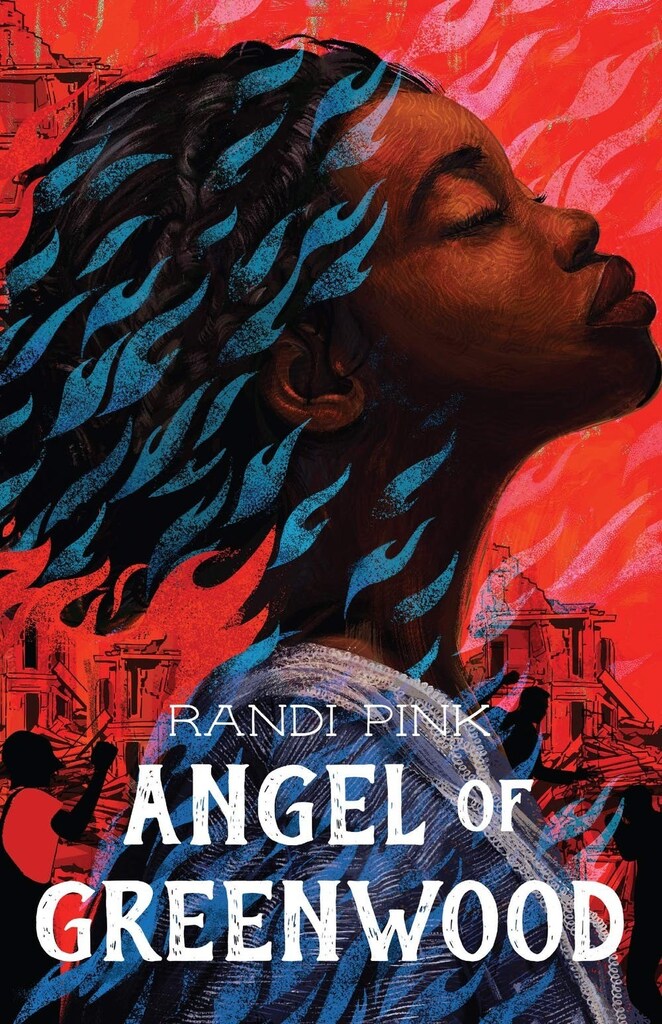
1. ‘Angel of Greenwood’ (2021) by Randi Pink
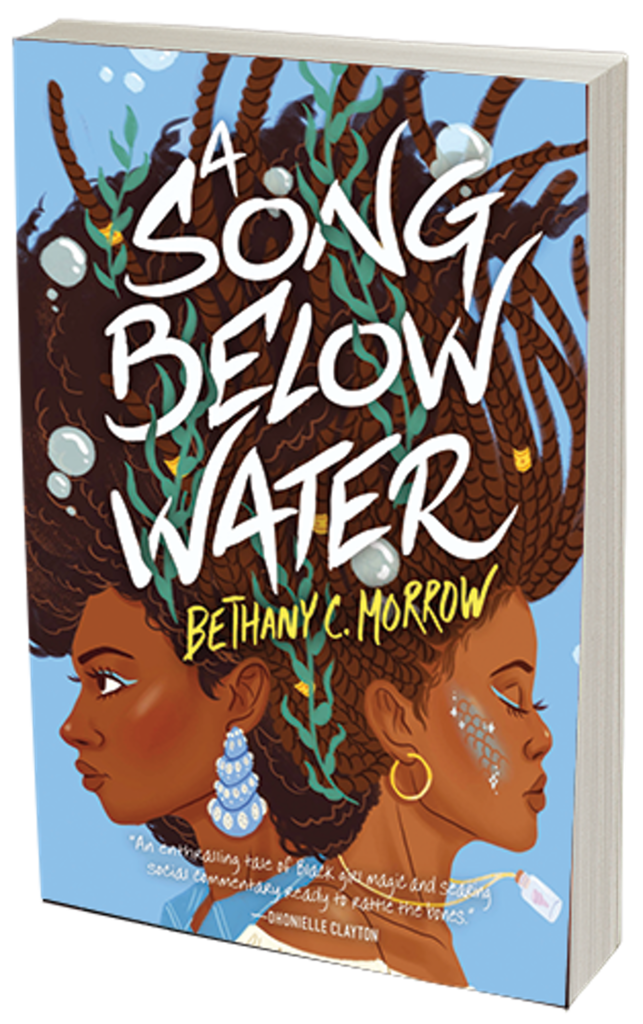
2. ’A Song Below Water’ (2020) by Bethany C. Morrow
3. ‘Land of the Cranes’ (2020) by Aida Salazar
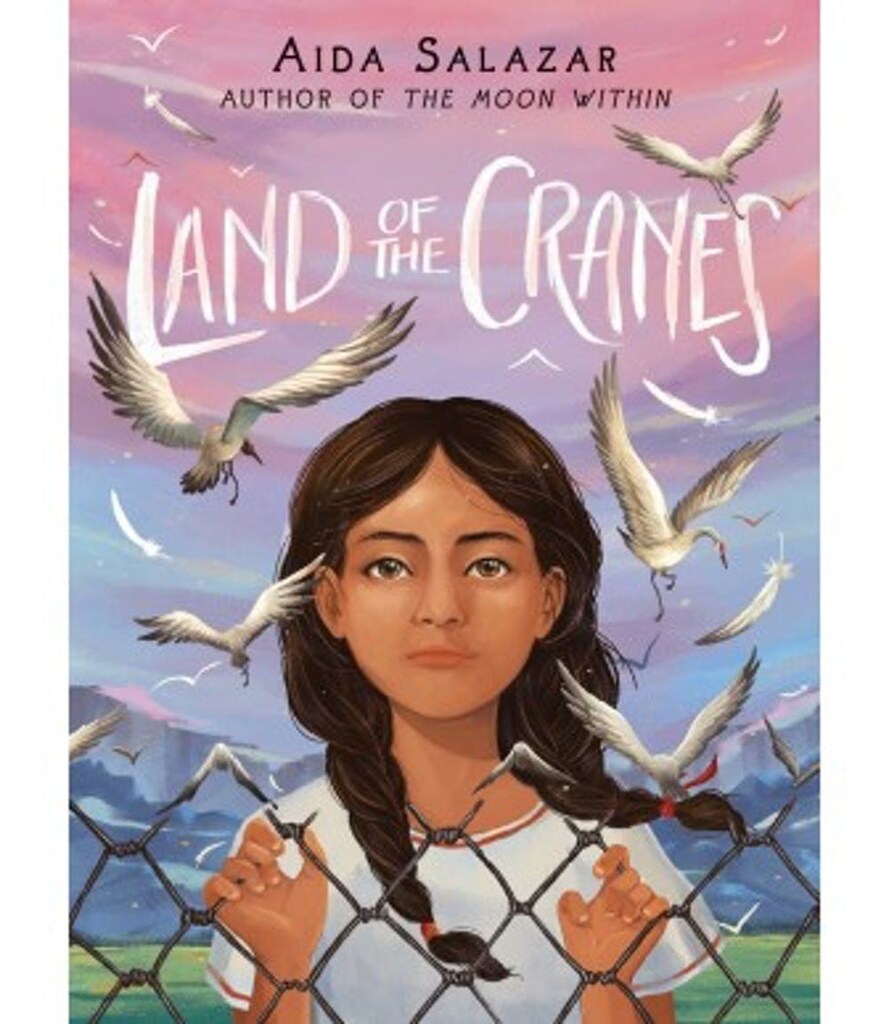
This novel – written in poetic form – is an act of activism as Salazar explores how terms like “illegal” can be weaponized and how anti-immigrant policies are the structures of racism.
In this story, a 9-year-old girl, Betita, and her pregnant mother are detained at the Mexican-U.S. border. While the main character is young, Betita is observant and wise, with caring parents who help her find courage and agency in ancestral stories.
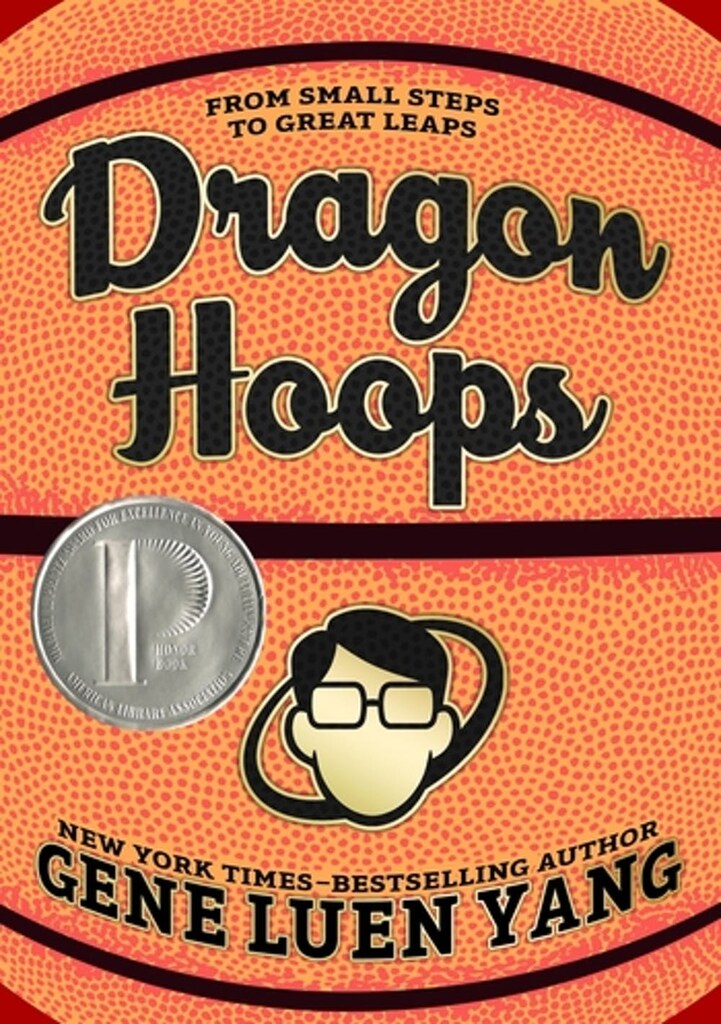
4. ’Dragon Hoops’ (2020) by Gene Luen Yang
What's the World Economic Forum doing about diversity, equity and inclusion?
The Centre for New Economy and Society connects leaders to make sense of how economic and technological change is reshaping jobs, skills and opportunity.
Through shared insight and collaboration, the Centre enables partners to explore inclusive economic models that support people and societies through transition.
5. ‘Hearts Unbroken’ (2020) by Cynthia Leitich Smith
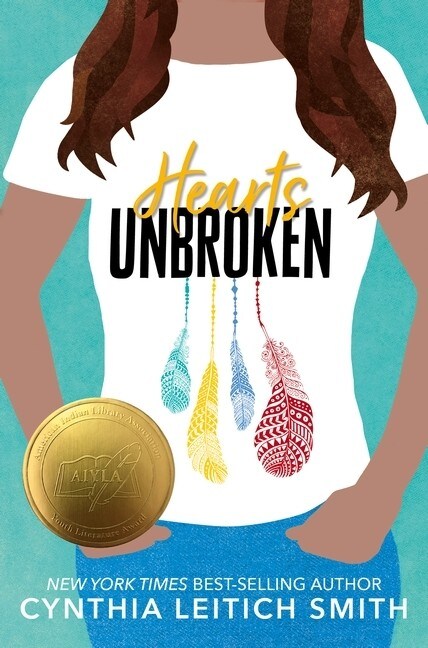
This realistic fiction novel won the American Indian Library Association’s Youth Literature Award. High school senior Louise is making sense of her Muscogee Nation heritage while competing for bylines in her school’s newspaper. When the school musical gets pushback in the mostly white, middle-class Kansas town for casting a nonwhite lead in “The Wizard of Oz,” Louise reports on the newly formed Parents Against Revisionist Theater.