

Artificial Intelligence
Lessons from Chinese business leaders about integrating AI in the workplace
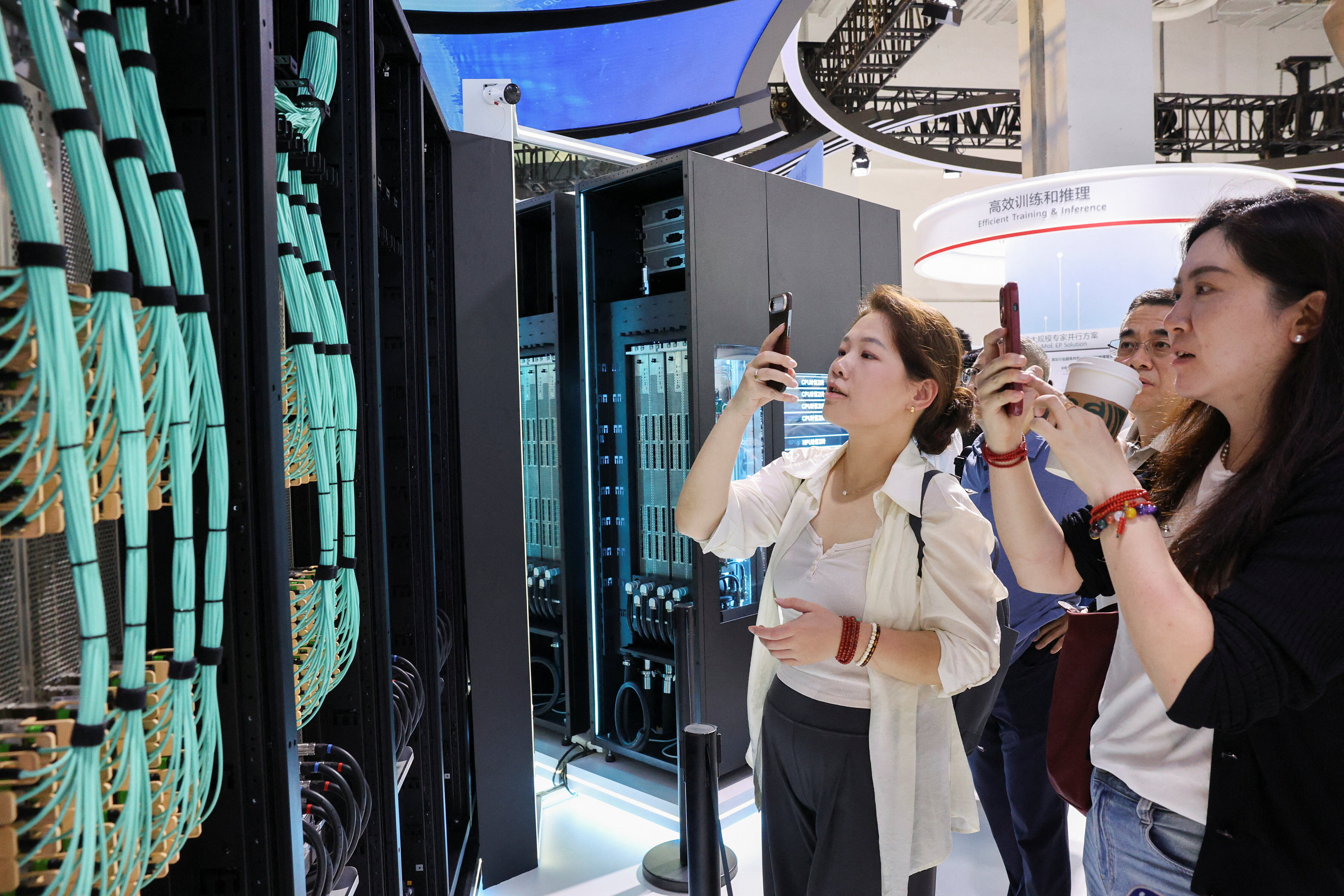
China's experience in moving from AI adoption towards durable productivity – in three distinct stages – offers a blueprint for the rest of the world
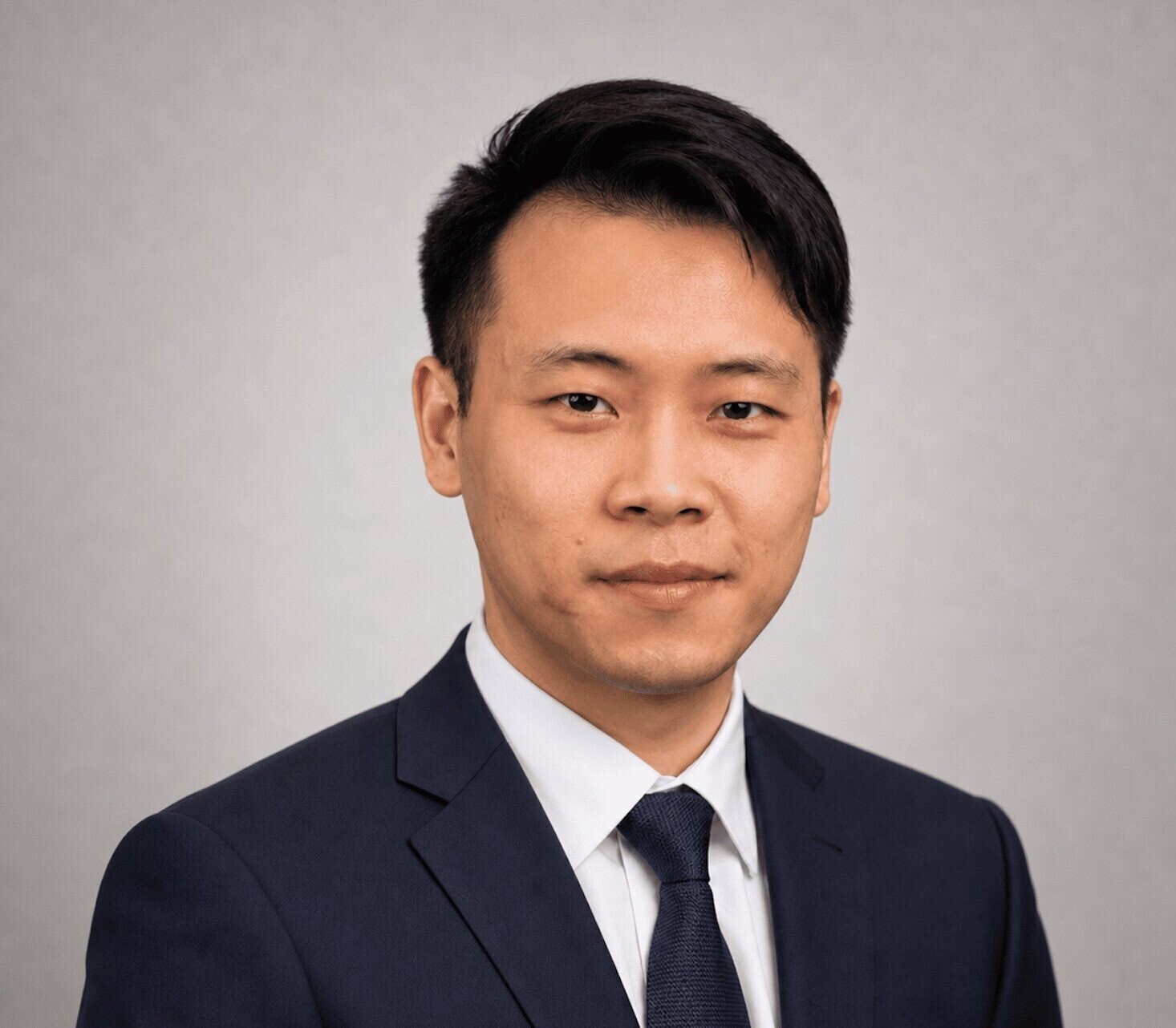
Qiqing He is a China-based AI governance and workforce transformation strategist and founder of the Global AI Governance and Workforce Transformation Policy Observatory (gaeedu.org). His work focuses on how China’s rapid AI adoption is reshaping jobs, skills, career pathways and organizational systems — and what these shifts can reveal for other economies across Asia and the Global South.
He works at the intersection of Chinese policy, enterprise transformation and workforce development, translating developments in China into practical insights for governments, employers, education systems and international institutions. His broader research examines how different economies can build workforce capabilities and institutions that allow technological adoption to translate into wider economic and social opportunity.
His work combines policy intelligence, field research, cross-sector convening and practical tools. He has conducted hundreds of structured interviews with business, policy, education and technology leaders and engaged stakeholders across more than 20 regions. His cross-country initiatives have included an AI education dialogue spanning five countries; an AI Fluency and Workforce Readiness Diagnostic (https://gaeedu.org/tools/assessments), which has reached more than 10,000 young people across 12 regions; and AI literacy and future-ready learning initiatives implemented in schools and communities in China, India and Kenya.
In 2026, he spoke at the World Economic Forum’s Annual Meeting of the New Champions on Gen Z and the changing world of work in the AI era.
His current research centres on three connected questions: how AI is redesigning entry-level work and career development; how Chinese and Asian organizations are adapting roles, skills and management systems around AI; and how governments can build employment, skills and transition infrastructure alongside technological infrastructure.
Through the AIGW Policy Observatory, he develops China-focused policy intelligence, implementation research, workforce diagnostics and institutional dialogues, while connecting these findings with emerging experience across Asia and the Global South.
His broader goal is to help build a stronger evidence bridge between China’s AI transition and the global debate on the future of work.
China's experience in moving from AI adoption towards durable productivity – in three distinct stages – offers a blueprint for the rest of the world

Global education systems are integrating artificial intelligence faster than the policy frameworks needed to guide them.
