


Trade and Investment
ASEAN’s next competitive advantage isn’t cheap labour. It’s trust
Low costs attract initial investment, but long-term growth in Southeast Asia will depend on institutional predictability and regulatory clarity.
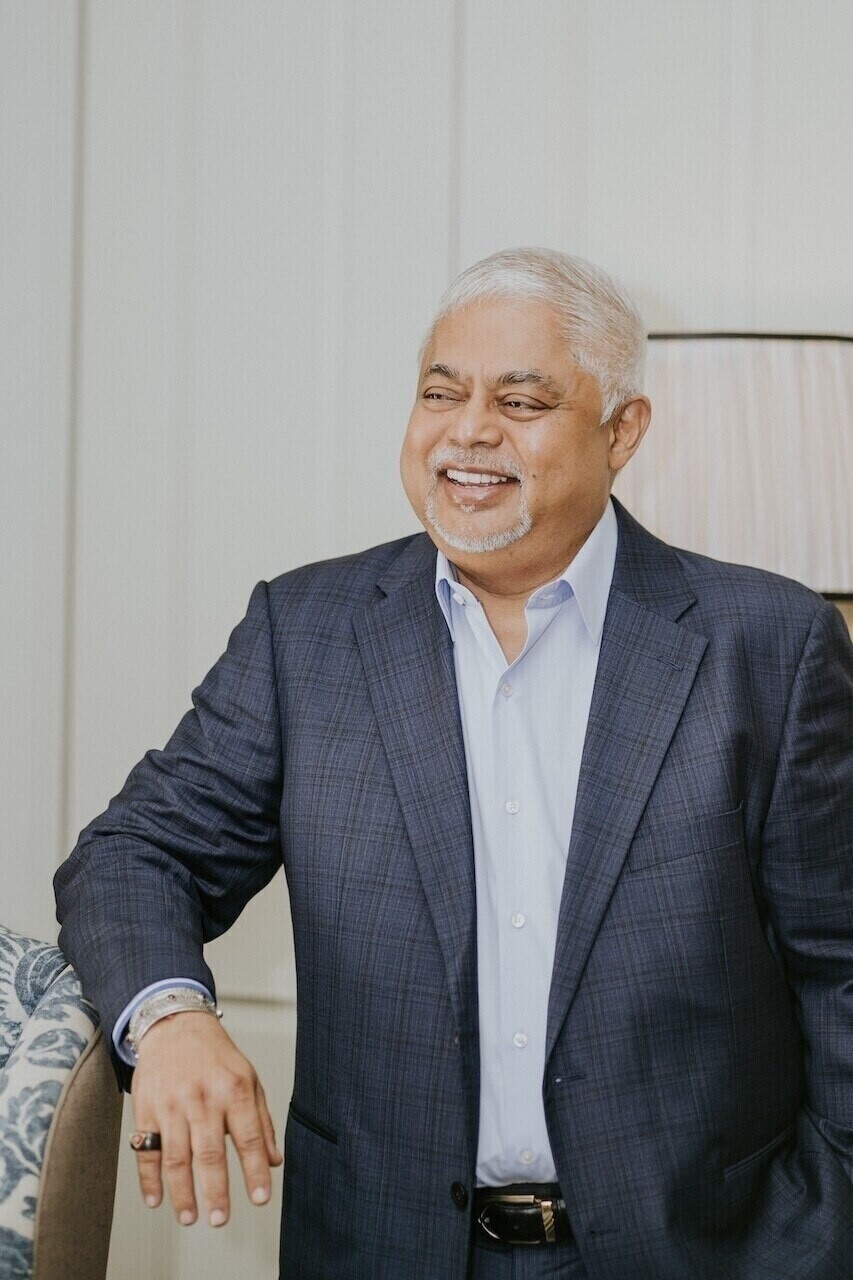
Executive Chairman of the QI Group of Companies. Entrepreneur, philanthropist, speaker and author. He is also Chairman of the University Council of Quest International University in Malaysia.
A proponent of value-based leadership, Vijay Eswaran has ensured the QI Group adheres to sustainable practices in business, making a positive impact in the communities it operates in. A 2011 honoree of the Forbes Asia annual list of Heroes of Philanthropy, he has also received a Lifetime Achievement Award for Regional Philanthropy in recognition of his outstanding contribution to the Asean community.
Vijay established the RYTHM Foundation that focuses on contributing to the UN Sustainable Development Goals on Gender Equality, Quality Education and Sustainable Community Development.
Vijay's writing has been published in Harvard Business Review, Thrive Global, The Good Men Project and numerous regional newspapers such as The Star in Malaysia, Jakarta Post in Indonesia, the Independent in Singapore, and the Phillippines Inquirer among others.
Awards and honours include Special Award for Education Entrepreneurship and Leadership at 18th Malaysian Education Summit; Malaysian Business Awards CEO, the ASEAN Business Advisory Council and Lifetime Achievement Award for Global Entrepreneurship; Conferred an Honorary Doctorate in Economics and Global Business by Pannasastra University, Cambodia in 2016.
Low costs attract initial investment, but long-term growth in Southeast Asia will depend on institutional predictability and regulatory clarity.

The future of jobs won't be shaped by artificial intelligence (AI), but by entrepreneurs using new technology to create livelihoods in the real world.

La globalización se está rediseñando en torno a la resiliencia, el comercio regional y la digitalización mientras las empresas se adaptan al riesgo geopolítico, los impactos en la oferta ...

Globalization is being redesigned around resilience, regional trade and digitalization as businesses adapt to geopolitical risk, supply shocks and AI.

El futuro del crecimiento debe estar marcado por los valores humanos y el espíritu de diálogo. Esto requiere un liderazgo que sepa escuchar y una tecnología con alma.

The future of growth must be shaped by human values and the spirit of dialogue – which requires leadership that listens, and technology with soul.
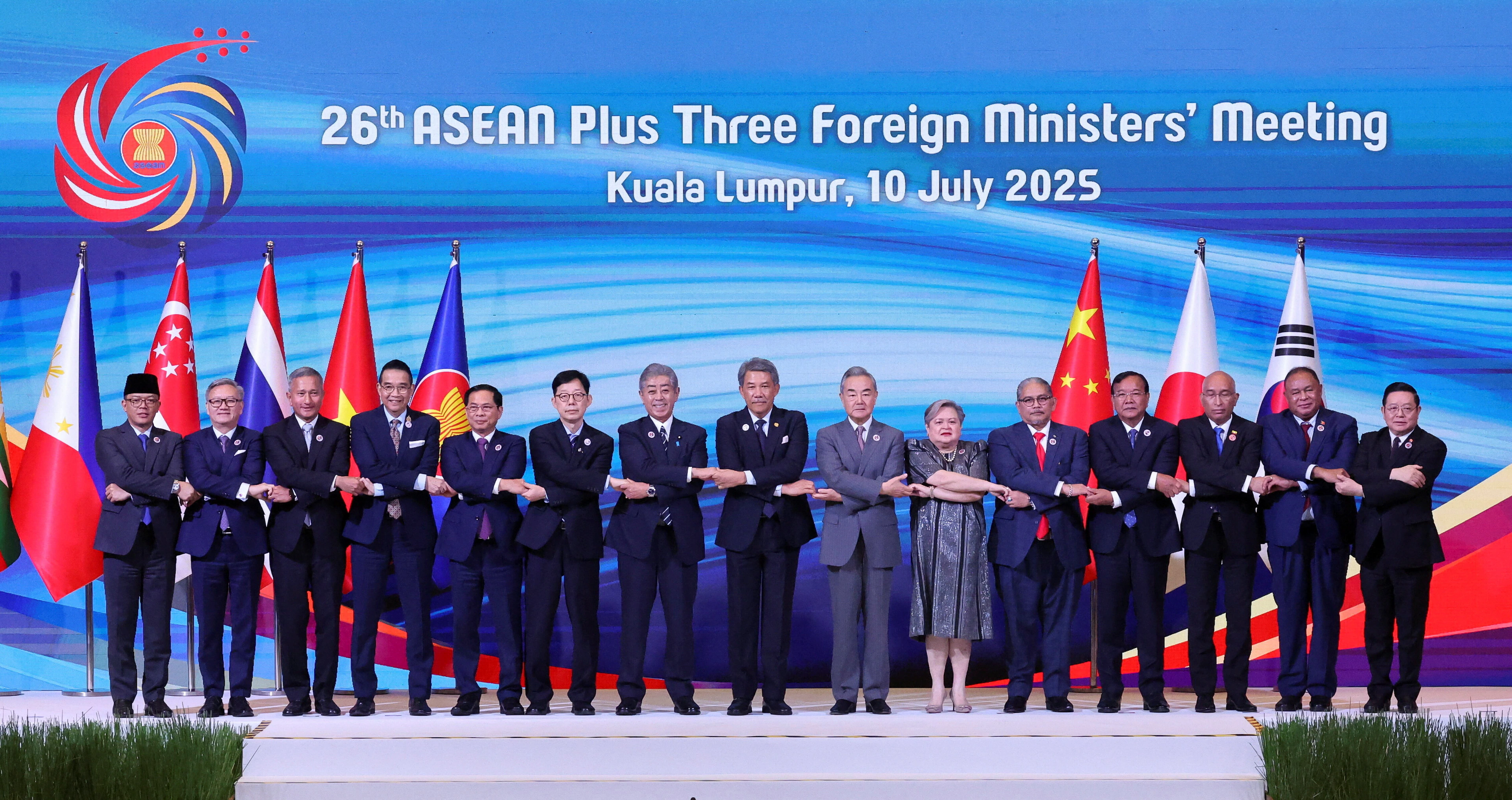
La reacción fragmentada de la ASEAN ante los aranceles de EE. UU. subraya la necesidad de mecanismos económicos integrados y compartidos — una lección para todos los bloques regionales.
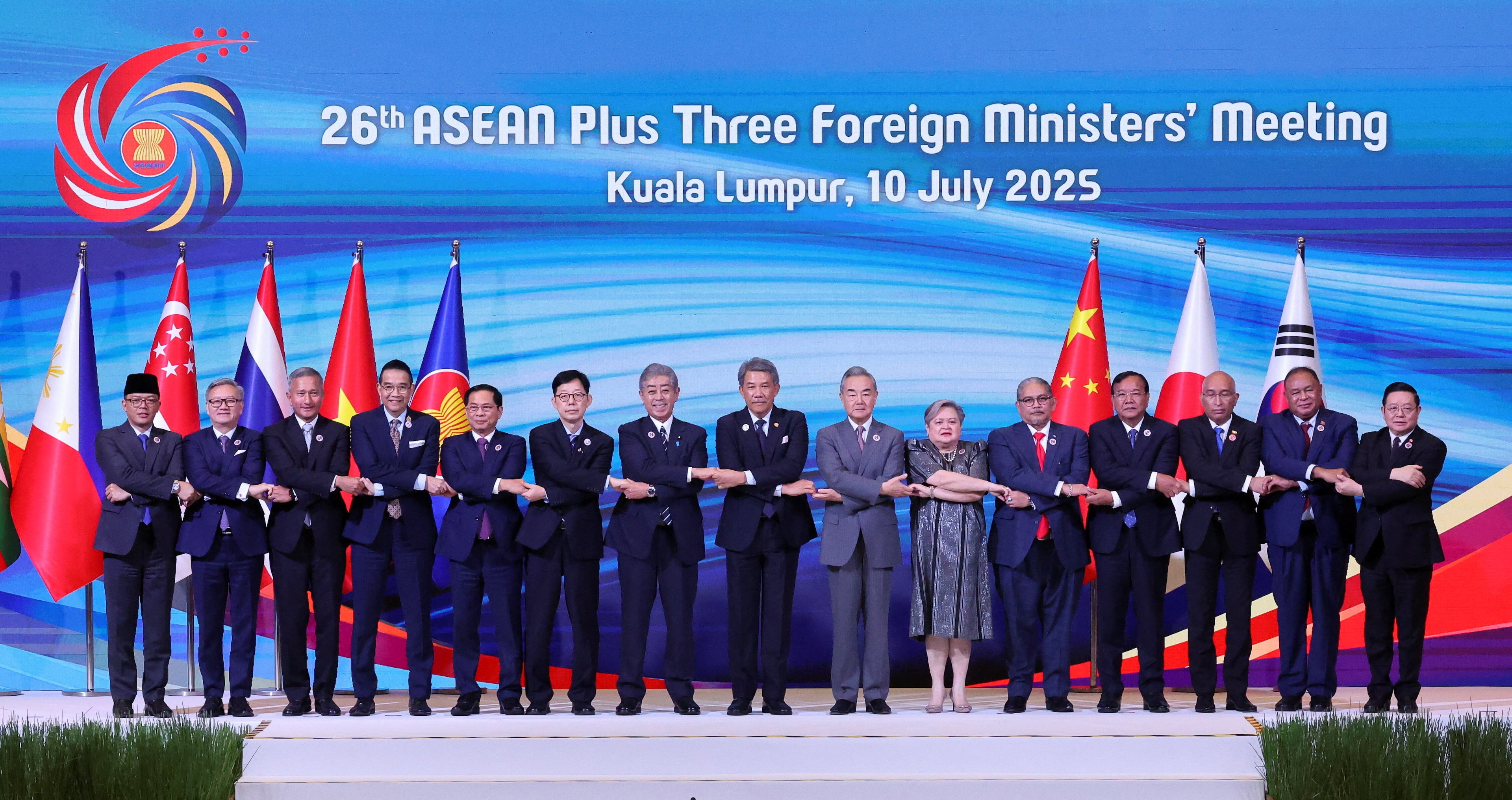
ASEAN's fragmented reaction to US tariffs shows the need for greater solidarity and shared economic mechanisms – something shared by regional blocs across the world.

In a time of fragmentation, ASEAN stands out as a rare economic bright spot because it's leveraging global uncertainty into a strategic advantage.

Integrar estas habilidades en los planes de estudio nos permitirá crear una fuerza laboral preparada para una economía global interconectada.

教育や人材開発への取り組みを怠れば、グローバル経済に多大な損害をもたらす可能性があるという、重要な局面に差し掛かっています。この課題は、若者たちが将来に臨む姿勢の大きな変化によって、さらに深刻化しています。労働力のスキルを急速に進化する産業と一致させるためには、グローバルな協力体制が必要です。

By integrating adaptability, cross-cultural skills and digital fluency into curricula, a new era of workforce development can support the global economy.

Recent political leadership changes could create greater solidarity, much-needed economic reforms and deeper regional integration for ASEAN countries.

This is an extract from Vijay Eswaran's book: Two Minutes from the Abyss: 11 Pillars of Life Management.

Research shows that diversity in business fosters innovation, improves the bottom line, and even helps with recruitment.


