Urban resilience is important in advancing the long-term viability and quality of life in cities.
The challenges cities face today require bolder and more integrated strategies that prioritize a net-zero and nature-positive transition.
The Urban Blueprint Session at the World Economic Forum's Sustainable Development Impact Meetings (SDIM) seeks new business models and a joint approach to climate and biodiversity loss.
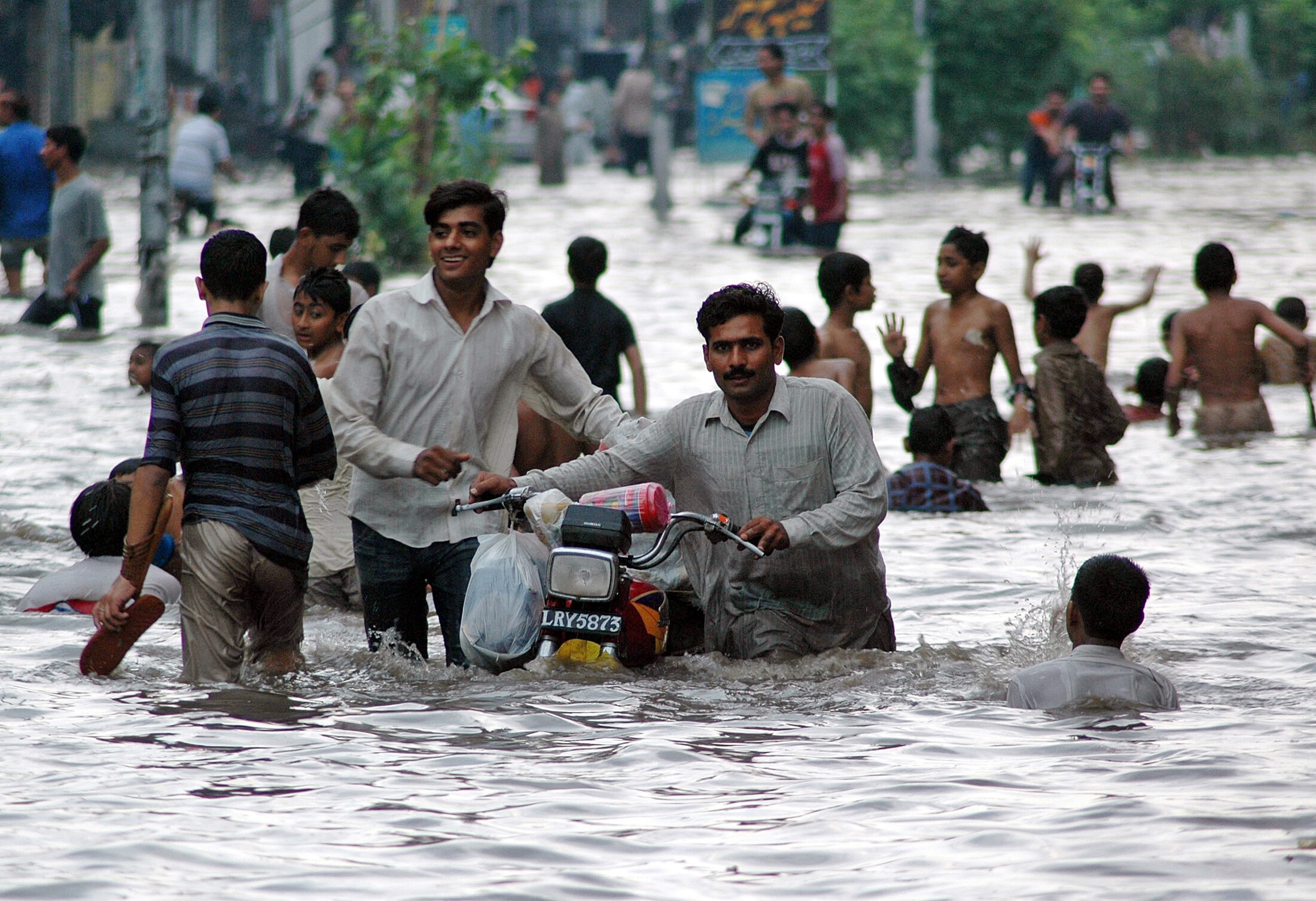
Destructive floods, extreme heat, unaffordable energy and housing, power outages, aging infrastructure, inflation, supply chain disruptions, and the economic conflict between superpowers all contribute to the interconnected emerging risks known as the “polycrisis”, with climate change at the centre.
Accounting for 70% of global CO2 emissions, cities are on the frontlines of climate action. They are also hubs of economic, social and environmental activity, which makes climate adaptation non-negotiable. By 2050, it is projected that nearly 70% of the global population will live in urban areas, increasing stress on infrastructure, housing, water and energy systems and heightening risks related to natural disasters, infrastructure failures and social inequalities.
Achieving sustainable and resilient cities
The UN’s Sustainable Development Goals (SDGs) are key to improving global climate resilience and ensuring equity and sustainable development in a changing world. Reaching the SDGs in cities requires integrated resilience strategies and a collaborative approach across various sectors. In many places, this work is already underway.
Rotterdam’s first resilience strategy in 2016 focused primarily on climate adaptation. However, it became evident that a more integrated approach to resilience was necessary. In 2022, the city published a new strategy that better reflects the city’s growing challenges, identifying six critical areas of action: climate, energy, ecology, economy, digital and social.
Elsewhere, in 2023, the US published the National Climate Resilience Framework, advocating for a more integrated approach to addressing climate risks and acknowledging that vulnerable communities are disproportionately affected by climate impacts. It outlines an integrated approach that includes tightening flood risk standards, improving building codes, scaling up technology solutions, reinforcing the electric grid, protecting and restoring natural lands and waters and incorporating nature-based solutions.
An integrated approach accelerates the transition to net zero while embracing nature to create more liveable, equitable cities. Focusing solely on net zero and making investments only to reduce emissions is risky if we don’t pair those efforts with integrated resilience strategies that equally prioritize biodiversity and nature.
Traditional business-as-usual approaches are no longer effective, and a shift in the private sector is now underway. For example, businesses are partnering with governments to develop green technologies and build out renewable capacity. Carbon pricing is offering strong incentives, companies are investing in circularity and green and blended finance tools are facilitating private investment in critical projects that aim to move the needle in the fight against climate change. And for all of this, cities are a key staging area.
Protecting nature and restoring biodiversity is no longer just about conservation — it's key to reducing city-wide climate vulnerabilities.
What is the World Economic Forum doing to promote sustainable urban development?
Cities are responsible for 75% of global greenhouse gas emissions and are home to over half of the world’s population—a number that will grow to two-thirds by 2050. By prioritizing cleaner energy, cities could contribute more than half of the emissions cuts needed to keep global warming to less than 2°c, which would be in line with the Paris Agreement.

To achieve net-zero and nature-positive cities and communities by 2050, the World Economic Forum is partnering with public and private sector stakeholders on initiatives that drive global ambition through local action. Here are just a few:
Davos Baukultur Alliance: Advancing high-quality planning, construction and management of buildings, infrastructure, and public spaces using principles based on climate resilience, sustainability and circularity in the built environment. Learn more.
Global New Mobility Coalition: Exploring new solutions to reduce congestion and emissions, enhance EV infrastructure and transform urban mobility and deliveries. Learn more.
Alliance for Urban Innovation: Connecting innovators and entrepreneurs to new markets and opportunities that reimagine and reshape quality of life and local economies. Learn more.
G20 Global Smart Cities Alliance: Accelerating intelligent, practical solutions to build climate resilience, enhance public well-being and tackle the most pressing challenges facing cities and local communities. Learn more.
Future of Travel and Tourism: Driving inclusive and sustainable economic growth while preserving cultural heritage and protecting natural ecosystems. Learn more..
Discover how you can be a part of our efforts to create more sustainable and livable cities and communities. Contact us here.
Cities are investing in social outcomes
Urban climate action should simultaneously strengthen community and socio-economic resilience, ensuring shared solutions and benefits that leave no one behind. In the Global South, community resilience is crucial for addressing the complex, interconnected challenges of climate change, socio-economic inequalities and underdeveloped infrastructure.
While the broad social benefits of a net-zero, nature-positive city are widely recognized, social outcomes are hard to quantify and value. Both public and private sectors are striving to measure social impacts to price sustainability into investments and channel more investment into social outcomes across projects like energy efficiency upgrades and urban regeneration.
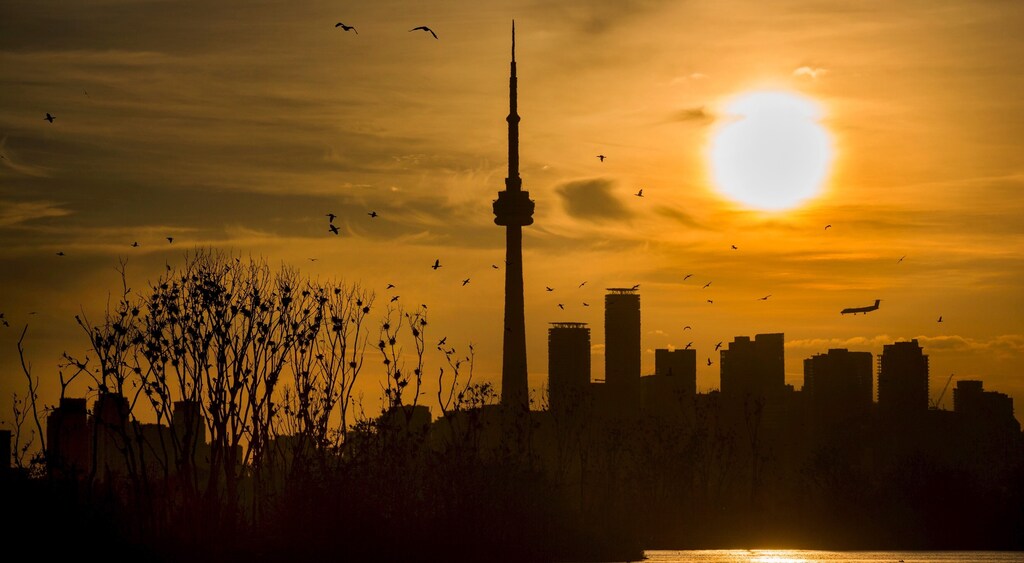
The City of Toronto seeks to reduce emissions from 475,000 existing homes and buildings while prioritizing affordability and equity. To support this, the city plans to introduce an emission performance standard that will cap emissions from buildings, ensuring residents reap the benefits of decarbonization. Stakeholders are coming together to accelerate deep energy retrofits for ageing and low-quality housing to lower emissions, increase housing quality and enhance residents’ well-being. To support this vision, stakeholders are redesigning greener finance products, like low- to no-interest retrofit loans and sustainability-linked finance options. To address energy security and affordability, a key part of urban resilience, new initiatives are utilizing technologies like heat pumps and thermal storage to create localized, efficient networks for heating, cooling and electricity delivery while encouraging energy autonomy and prosumerism.
The City of San Francisco, meanwhile, is strengthening its collective efforts for urban regeneration as a means to greater resilience, well-being and economic prosperity. Projects are underway to strengthen the environmental, social and economic resilience of San Francisco’s waterfront, re-imagining the historic port and future-proofing the city from the triple threat of storms, inland flooding and sea-level rise. The city is making commitments to nature restoration, expanding access to nature, increasing local biodiversity and addressing issues of tree equity, particularly for underserved populations, which links to critical community health outcomes.

The World Economic Forum’s Centre for Urban Transformation — which aims to increase public-private collaboration in cities and advance more inclusive and sustainable models for urban development — is aiding these efforts. The Centre recently brought nearly 100 stakeholders and decision-makers together from across public and private sectors in these cities to accelerate local net-zero and nature-positive action to progress urban sustainability and resilience goals.
Forging a joint approach to climate and biodiversity loss
The Urban Blueprints for Sustainable Cities Session during the Forum’s upcoming Sustainable Development Impact Meetings seeks to identify the top priorities for the net-zero nature-positive transition in cities through strengthened public-private partnerships and new green business models.
This conversation prepares the ground for the upcoming negotiations at the United Nation Conventions on Biodiversity, Climate Change, and Desertification and Land Degradation and asserts that, through net-zero nature-positive action, we can and must forge a joint approach to tackle climate change and biodiversity loss. Without this coordinated approach, work on tackling either issue could inadvertently hinder progress on the other.