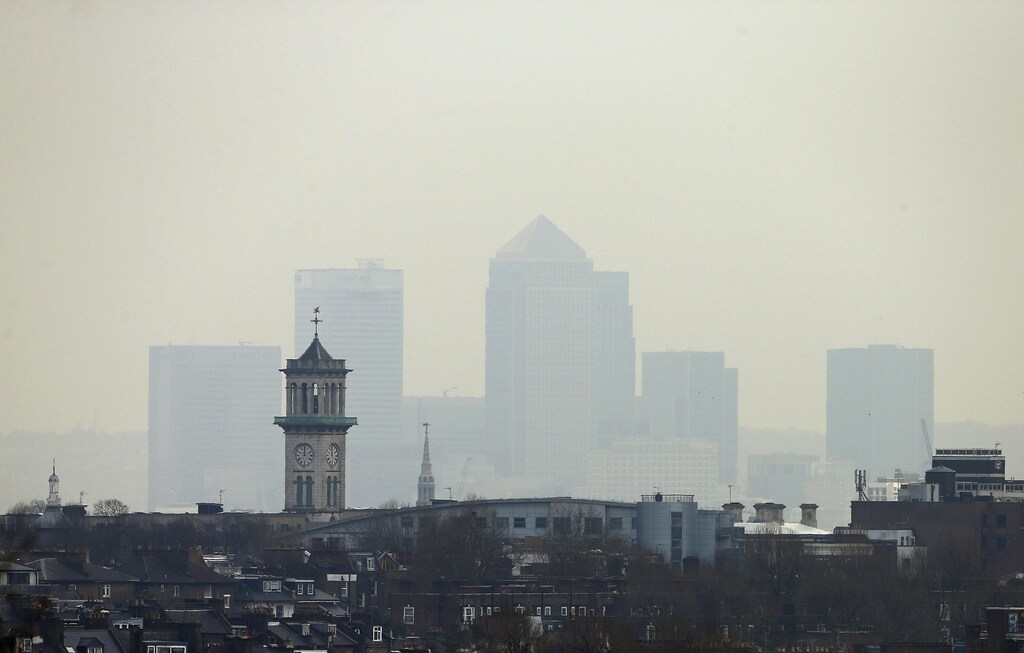
High pollution causes more than 100 extra heart attacks in Britain’s cities each year, while contributing to a higher rate of strokes and new asthma cases in children, according to new research from King's College London.
“Each year on average, higher air pollution days in London are responsible for 87 more cardiac arrests outside hospital than lower air pollution days,” the report notes.
The study, Personalising the Health Impacts of Air Pollution, analysed data from British cities, including London, Birmingham, Bristol, Derby, Liverpool, Manchester, Nottingham, Oxford and Southampton.
The work aims to elucidate the comprehensive impact of air pollutants - including particulate matter and nitrogen oxides - on our daily lives.
“Life years can seem a rather abstract concept and deaths may seem too distant in time for many in the population,” the authors wrote. “There is a role for summary statements on more common adverse health effects of air pollution” including those that feel “more familiar to the public”.
The result is shocking reading.
Roadside air pollution in Birmingham stunts lung growth in children by 7.7%, while cutting air pollution in London by one-fifth would increase children’s lung capacity by around 4%, the findings show.
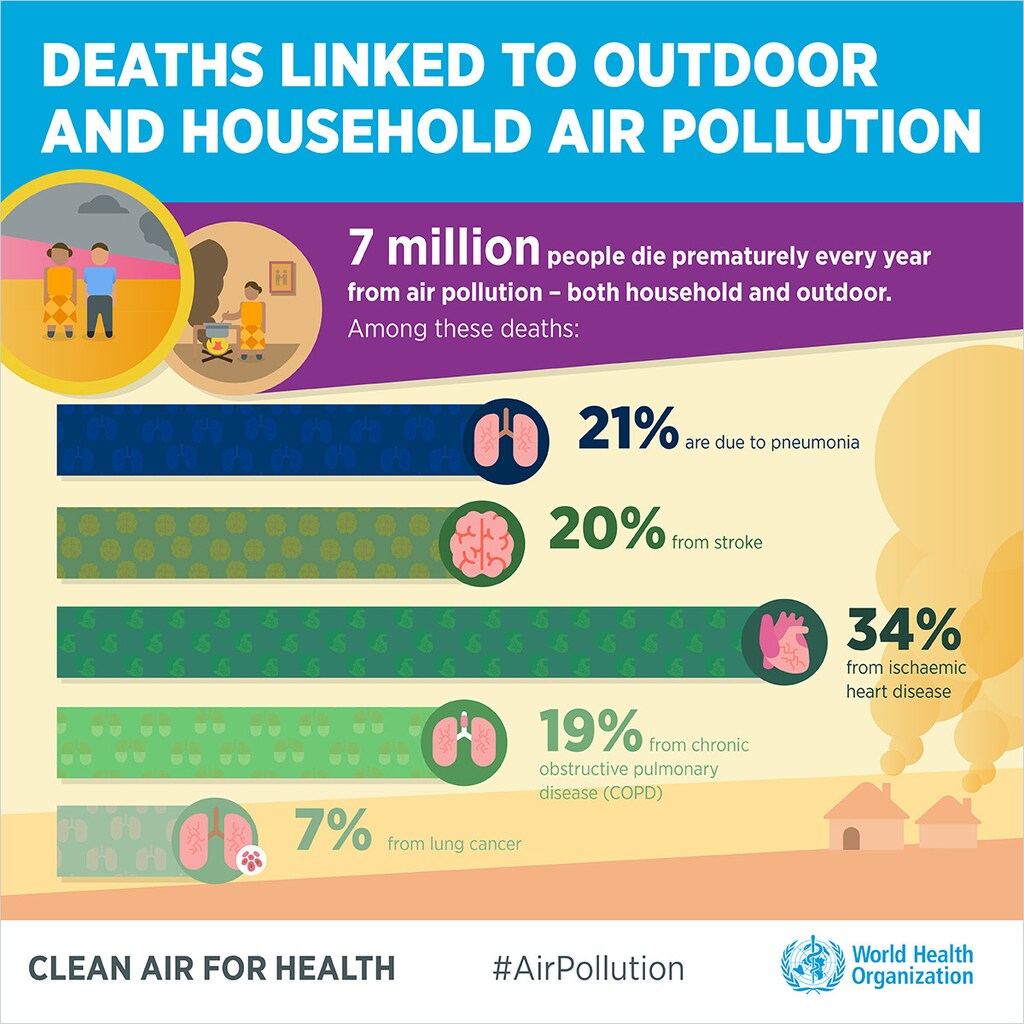
Worldwide, an awareness of the dangers of air pollution are growing. The World Health Organization (WHO) estimates that air pollution kills 7 million people each year - equivalent to 13 deaths every minute.
How is the World Economic Forum facilitating the transition to clean energy?
The Centre for Energy and Materials connects leaders to make sense of the complex transitions reshaping energy, materials and industrial systems. It provides a platform to explore how energy security, affordability and sustainability intersect.
Through collaboration across value chains and regions, the Centre enables shared pathways that help partners align around practical solutions for a secure, low-carbon and equitable transition.
While many policymakers are clear air pollution needs to be tackled, progress can seem slow. In the UK, 36 out of 43 local authority areas still have illegal levels of nitrogen dioxide, according to a ClientEarth analysis of UK government data.
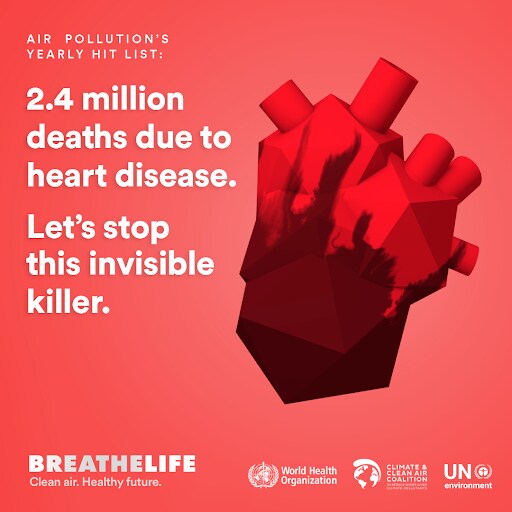
The WHO has called on cities around the world to take action to reduce air pollution. London is one of the first megacities to commit to achieving those targets by 2030, by offering scrappage schemes for the most polluting vehicles and by planning to expand its ultra-low-emission zones.