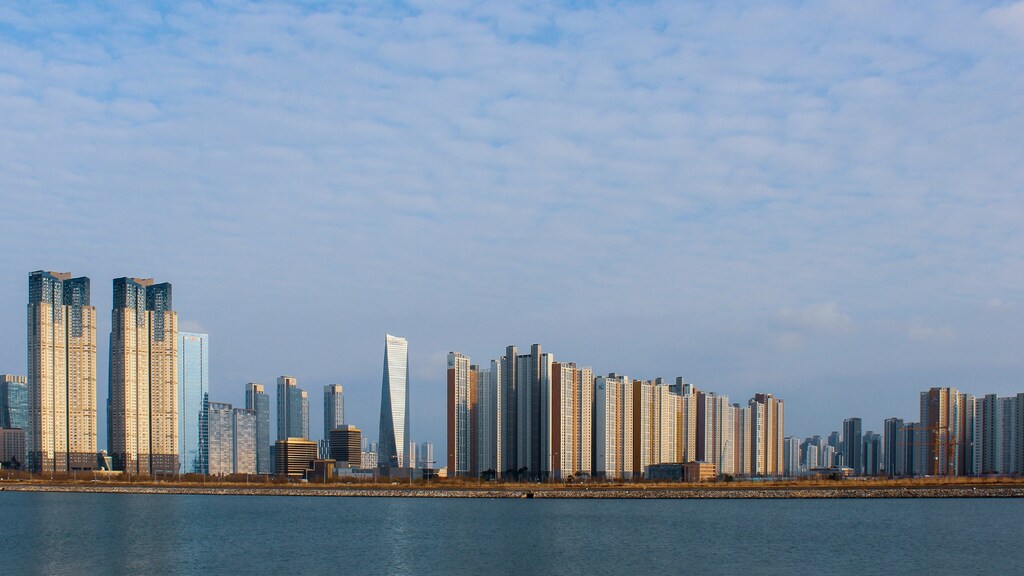
Incheon, the third most populous city in South Korea, is home to nearly 38,000 species of plants and animals.
Rapid urbanization and industrial activity have prompted the city to strengthen protections for wildlife and their ecosystems.
Incheon is a good example of how cities can adopt localized, nature-based solutions to protect biodiversity.
South Korea is a mountainous country that is biologically diverse, with nearly 38,000 indigenous species found across its forests and its numerous coastal ecosystems. However, rapid urbanization and industrialization in recent decades, coupled with the introduction of invasive species, and climate change, have placed pressure on its ecosystems and biodiversity. This has sparked the government to introduce regulation and nature-positive action.
Incheon, the third most populous city in South Korea, sits at the mouth of the Han River and has become a major hub for imports, enabling the city to grow its industrial activities. The ports and waterways are important sites for the city’s industry, but also form a link to the culture and cuisine of the region, which relies heavily on fish and seafood.
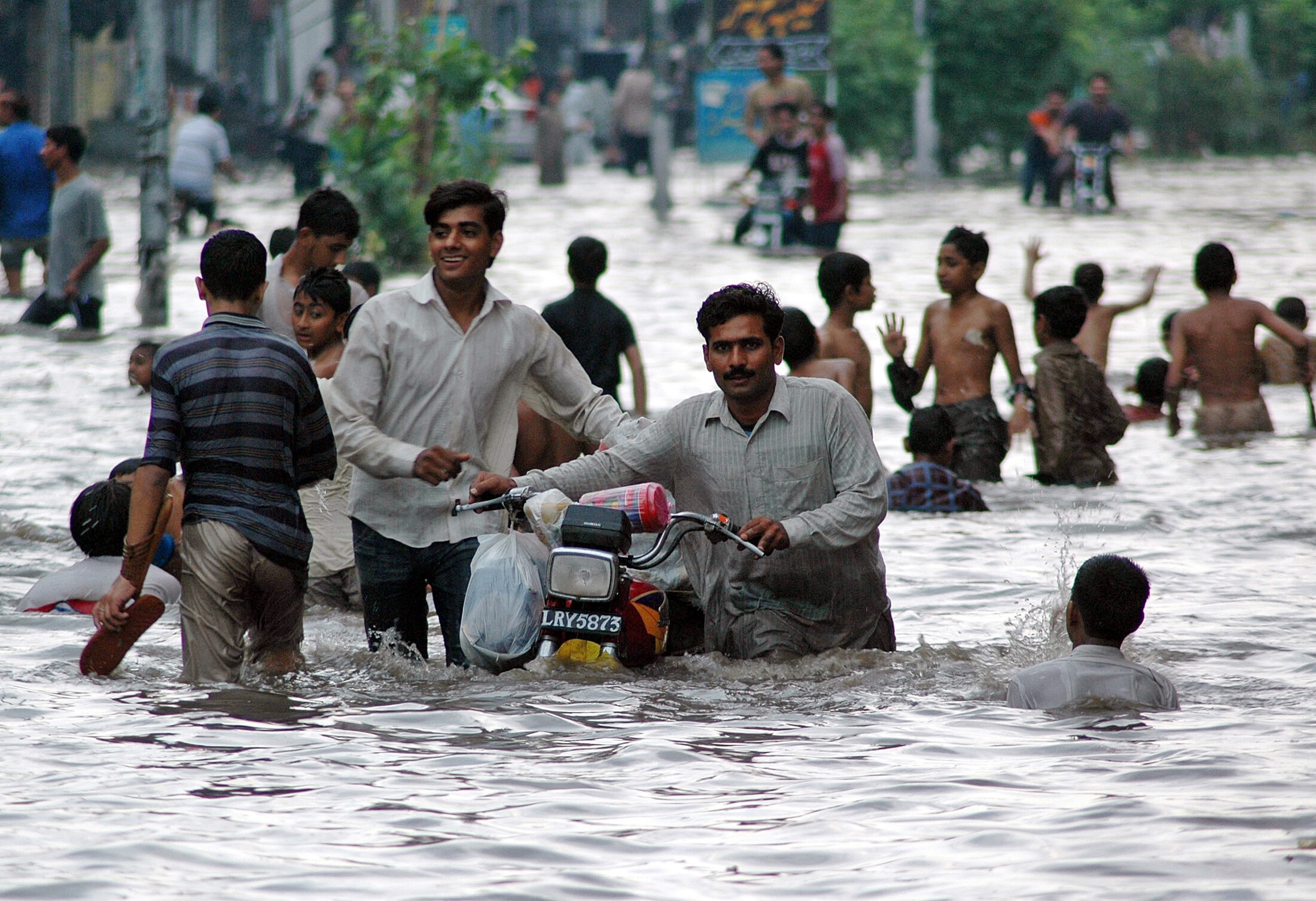
High levels of industrial activity with a heavy reliance on ocean and riverways have created unique challenges for the city. These include fine dust accumulation, flood risks and difficulties in properly managing water. Rapid urbanization across South Korea has increased air and water pollution, requiring highly bespoke nature-positive solutions to address these challenges.
Currently, nature-based solutions proposed at the national level are well executed throughout major South Korean cities. This creates a blueprint for cities like Incheon to increase the adoption of localized conservation policies and nature-positive solutions.
Building a strong system of environmental management
In line with the city’s vision and strategy on biodiversity, Incheon has developed and adopted a Natural Environment Conservation Action Plan that aims to expand its protected areas and strengthen wildlife protection and management of natural ecosystems. Key qualities of the plan include:
1. Strong governance structures
Incheon has an Environment Bureau composed of seven divisions responsible for environmental and climate policies, landfills, water quality and environmental safety. Through the bureau, the city collaborates with various organizations to address urgent environmental issues and contribute to the development of long-term eco-friendly policies.
Its collaboration entities include 18 committees such as the Environmental Policy Committee for stronger citizen governance, the Incheon Sustainable Development Committee and the Health and Environment Research Institute. These bodies research environmental conservation and aim to solve the city’s urgent climate challenges and create long-term eco-friendly policies.
2. Policies to increase private sector involvement
Incheon’s Natural Environment Conservation Action Plan specifically aims to expand private sector participation in nature conservation efforts and measures. The city is actively pursuing policies that encourage public and private sector participation in various areas, such as the protection of wildlife, as well as conservation promotion and educational programmes.
The city wanted to solidify opportunity windows for the private sector to engage more closely with the protection and monitoring of its natural values. In April 2021, Incheon announced five flagship species that are symbolically representative of the region’s ecological, geographical and cultural characteristics. They include the Spotted Seal (mammal), Black-faced Spoonbill (bird), Milky Fiddler Crab (invertebrate), Gold Frog (amphibian) and Vesper Iris (plant).

3. Citizen engagement
A key objective of the Nature Environment Conservation Action Plan is to develop and implement nature education programmes, guide training and promote the understanding and management of biodiversity across the city.
The city conducts these activities through seminars on conservation in connection with private organizations, for students through nature courses and field trips, and through a civil service training centre programme on natural environments. The biodiversity plan has also targeted actions to promote citizen awareness and changes that farmers and fishers can adopt to ensure a more sustainable use of biodiversity.
4. Cities for nature
Incheon is part of the East Asia-Australasian Flyway Partnership (EAAFP). This multistakeholder partnership provided a safe migratory path for waterbirds and their habitats. The programme involves 18 countries and locations from Siberia, Russia through the Songdo Tidal Flat in Incheon and down to Australia and New Zealand. The programme supports the transition of numerous endangered, vulnerable or near-threatened bird species, including shorebirds, cranes and seabirds.
The objective of the partnership is not only to build habitats for migratory birds to rest, but to enhance public education, strengthen research and monitoring, and upskill government employees on their city's nature and how to effectively implement nature-positive solutions. The city is also seeking to expand its work on migration paths and habitat conservation using academic research through a cooperative network devoted to bird conservation.
What is the World Economic Forum doing to promote sustainable urban development?
Cities are responsible for 75% of global greenhouse gas emissions and are home to over half of the world’s population—a number that will grow to two-thirds by 2050. By prioritizing cleaner energy, cities could contribute more than half of the emissions cuts needed to keep global warming to less than 2°c, which would be in line with the Paris Agreement.

To achieve net-zero and nature-positive cities and communities by 2050, the World Economic Forum is partnering with public and private sector stakeholders on initiatives that drive global ambition through local action. Here are just a few:
Davos Baukultur Alliance: Advancing high-quality planning, construction and management of buildings, infrastructure, and public spaces using principles based on climate resilience, sustainability and circularity in the built environment. Learn more.
Global New Mobility Coalition: Exploring new solutions to reduce congestion and emissions, enhance EV infrastructure and transform urban mobility and deliveries. Learn more.
Alliance for Urban Innovation: Connecting innovators and entrepreneurs to new markets and opportunities that reimagine and reshape quality of life and local economies. Learn more.
G20 Global Smart Cities Alliance: Accelerating intelligent, practical solutions to build climate resilience, enhance public well-being and tackle the most pressing challenges facing cities and local communities. Learn more.
Future of Travel and Tourism: Driving inclusive and sustainable economic growth while preserving cultural heritage and protecting natural ecosystems. Learn more..
Discover how you can be a part of our efforts to create more sustainable and livable cities and communities. Contact us here.
Next steps for Incheon’s green vision
Increasing nature habitats in cities for migratory species is critical, particularly in strategically positioned and densely populated urban areas such as Incheon. The city’s commitment to creating a healthy environment for all forms of life is closely aligned with biodiversity actions taking place at all levels in South Korea.
As the city advances its nature-positive journey, a strengthened focus on enhancing nature infrastructure and adopting measures to protect both waterways and flyways will remain paramount. Incheon’s Natural Environment Conservation Action plan shows how other cities can adopt localized, nature-positive solutions to protect biodiversity.
This article is part of Nature Positive: Leaders’ Insights for the Transition in Cities, a report by the Global Commission on Nature-Positive Cities offering a range of strategies and practical solutions adaptable to diverse urban environments and supporting a shift towards nature-positive city developments.
Nature-Positive Cities is an initiative by the World Economic Forum, in collaboration with Oliver Wyman.