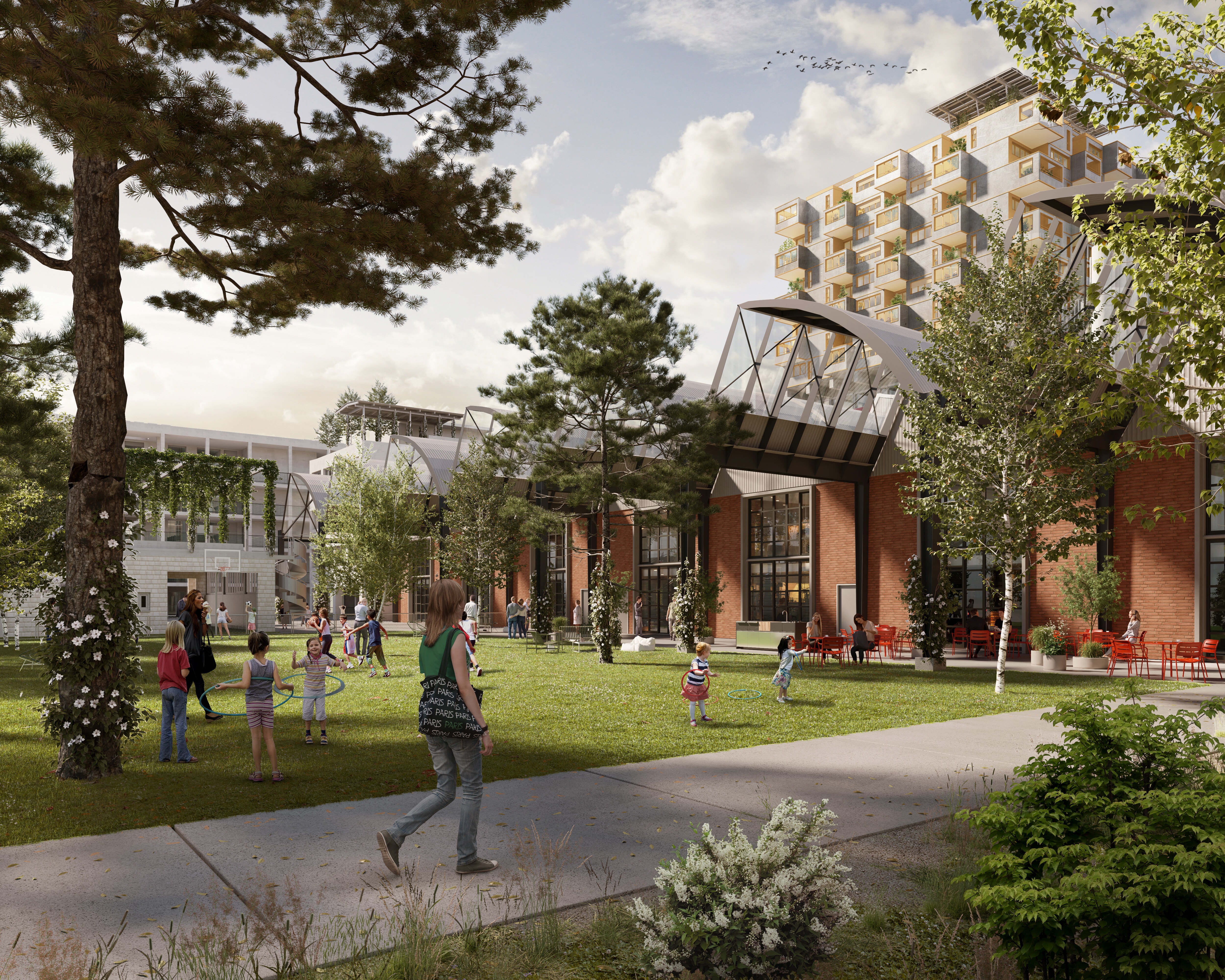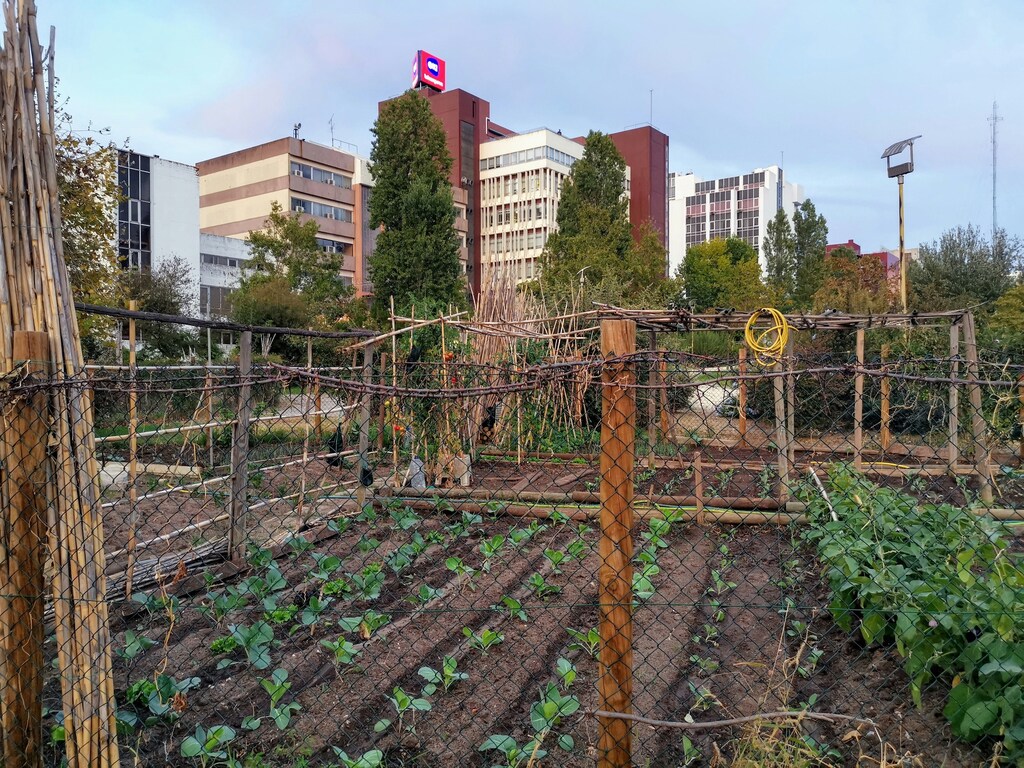
Over 40% of urban land globally remains under-utilized or degraded, while urban populations continue to grow.
At the heart of urban land regeneration lie three powerful drivers: community ownership, circular economy thinking and smart, scalable policy.
If every city reclaimed just a fraction of its neglected land, the impact would be not just local, but planetary.
Across cities and rural areas, vast stretches of land lie dormant, vacant lots, landfills and disused industrial zones, contributing to environmental degradation, economic stagnation and social fragmentation. According to the United Nations (2022), over 40% of urban land globally remains under-utilized or degraded, even as cities face rising population pressures and climate vulnerability.
This crisis of abandonment is also an opportunity. Around the world, communities, policy-makers and innovators are reclaiming these overlooked spaces, transforming them into productive ecosystems, green commons and engines of local resilience. These efforts challenge the conventional view of land as a commodity and reframe it as a shared resource that catalyzes social, economic and environmental renewal.
At the heart of urban land regeneration lie three powerful drivers: community ownership, circular economy thinking and smart, scalable policy. When these align, neglected spaces can become thriving hubs of opportunity.
Community ownership: From passive observers to active stakeholders
The first barrier to transforming abandoned land is not physical; it's psychological. Communities often feel apathetic, disconnected or assume that responsibility lies with external authorities. This mindset creates inertia and deepens neglect.
In an urban neighbourhood in Thiruvananthapuram, Kerala, India, a different approach was taken. Rather than rely on top-down mandates, a grassroots coalition of students, farmers and residents came together to reimagine a barren, waste-filled plot. Initially met with scepticism, the space was transformed through a co-creation process where diverse voices shaped a shared vision. People contributed time, tools, skills and ideas. As participation deepened, the site evolved into a thriving green common.
Community ownership begins by engaging local residents through open dialogue and participatory mapping to understand needs and build trust. Inclusive governance with rotating leadership ensures shared responsibility. Skill-building workshops empower communities to manage and sustain their space. Community-led funding, such as microgrants or local partnerships, support long-term efforts. With the right policy support, this approach revitalizes disconnected spaces into sustainable, inclusive and resilient community assets. While community ownership lays the foundation, sustainable regeneration requires rethinking the materials we use and discard daily.
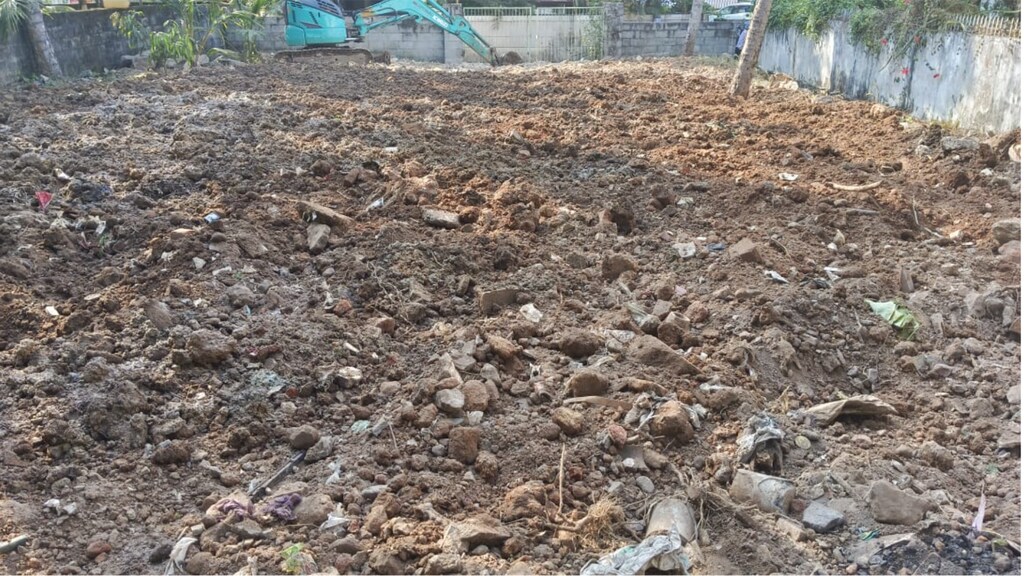
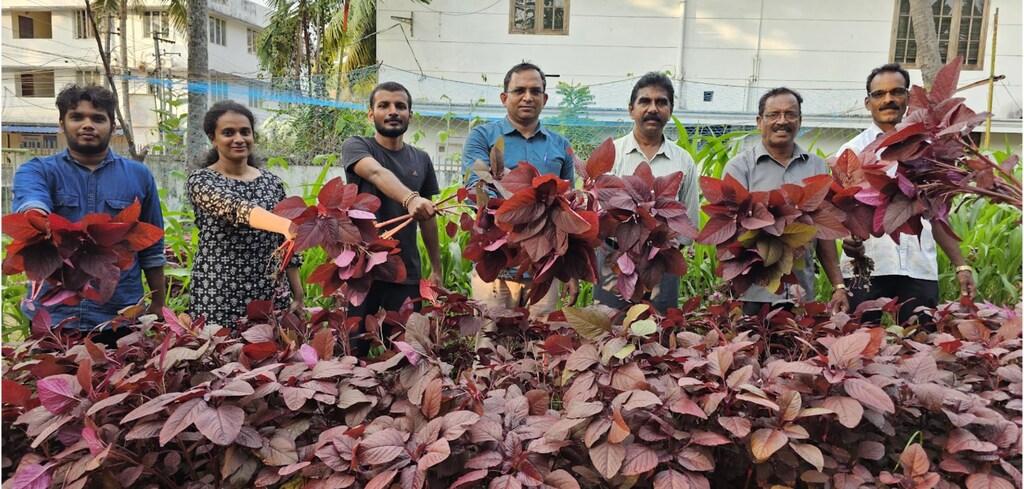
As demonstrated here, community ownership is foundational to keeping regenerated spaces vibrant and productive. When people are empowered to shape their environments, they also take on the responsibility of maintaining them. This localized model has shown promise beyond a single neighbourhood.
Cities like Medellín, Colombia and Freetown, Sierra Leone, exemplify how participatory land use planning activates underused spaces, while strengthening social cohesion. Through participatory budgeting and inclusive zoning, communities are given a voice and a stake in regeneration. These examples demonstrate that sustainable transformation begins with empowerment.
Reimagining waste: The circular economy in action
For decades, waste has been treated as disposable, a byproduct of modern life. This view has led to a global crisis, with over 2 billion tons of solid waste generated annually. A shift is underway, driven by circular economy principles, which reframes waste as a raw material, repurposable, reusable and regenerative.
In one Indian city, a vacant, waste-filled plot was transformed into a functional community space using locally-sourced materials. Rather than removing the waste, the project prioritized reuse: plastic was repurposed into benches and walkways, discarded bricks formed new paths and organic waste was composted on-site. This circular approach minimized the environmental footprint and shifted public perception, reframing waste as a resource. The space became a live example of circularity, sparking creativity, learning and ownership within the community, especially among children.
The implications of these local experiments are far-reaching. Countries like the Netherlands and Japan have embedded circular principles into national policy, showing how systematic reuse and recycling can support sustainable urban development. When communities adopt these principles, they create a foundation for broader change.
Policy-makers and city administrators can scale such efforts by integrating waste-to-resource frameworks into planning. By incentivizing reuse, supporting circular startups and embedding regenerative practices into public projects, cities can turn waste into a resource, one material and one neighbourhood at a time.

Scaling impact: From local experiment to global solution
What starts as a local act, reviving idle spaces, reusing waste and changing mindsets, can ripple into systemic change. These projects often grow beyond their original purpose, shifting behaviours and igniting community-wide innovation.
As seen in Thiruvananthapuram, Kerala, what begins as a community effort can evolve into a model for regenerative innovation and education. Local entrepreneurs tested eco-conscious ideas around composting, upcycled products and green infrastructure. Residents hosted events on climate action and regenerative practices. The space in Kerala became a living lab, where environmental, economic and social benefits intersected.
This journey of revitalization shows the power of place-based innovation. When people experience sustainable development firsthand, they're more likely to replicate its principles across neighbourhoods and cities.
The potential for scale is real. Cities such as Seoul, South Korea and Curitiba, Brazil, have embedded pilot learnings into city-wide policy through adaptive regulations, public funding and integrated planning. Even modest community efforts can evolve into engines of systemic impact when backed by institutional support.
Scaling impact means designing for replication and alignment. Governments can embed regeneration goals into urban plans. Schools can integrate sustainability learning into public spaces. Businesses can provide tools to scale low-cost, high-impact interventions.
Ultimately, small successes should not remain isolated, they must become seeds of a broader movement. As cities confront rising climate, economic and social challenges, the ability to turn underused land into regenerative infrastructure will become essential. Community-led initiatives show that land can be reimagined as a living ecosystem with the right approach. The three principles of community ownership, circular economic thinking and scalable policy design offer a framework for a path forward.
What is the World Economic Forum doing to promote sustainable urban development?
Cities are responsible for 75% of global greenhouse gas emissions and are home to over half of the world’s population—a number that will grow to two-thirds by 2050. By prioritizing cleaner energy, cities could contribute more than half of the emissions cuts needed to keep global warming to less than 2°c, which would be in line with the Paris Agreement.

To achieve net-zero and nature-positive cities and communities by 2050, the World Economic Forum is partnering with public and private sector stakeholders on initiatives that drive global ambition through local action. Here are just a few:
Davos Baukultur Alliance: Advancing high-quality planning, construction and management of buildings, infrastructure, and public spaces using principles based on climate resilience, sustainability and circularity in the built environment. Learn more.
Global New Mobility Coalition: Exploring new solutions to reduce congestion and emissions, enhance EV infrastructure and transform urban mobility and deliveries. Learn more.
Alliance for Urban Innovation: Connecting innovators and entrepreneurs to new markets and opportunities that reimagine and reshape quality of life and local economies. Learn more.
G20 Global Smart Cities Alliance: Accelerating intelligent, practical solutions to build climate resilience, enhance public well-being and tackle the most pressing challenges facing cities and local communities. Learn more.
Future of Travel and Tourism: Driving inclusive and sustainable economic growth while preserving cultural heritage and protecting natural ecosystems. Learn more..
Discover how you can be a part of our efforts to create more sustainable and livable cities and communities. Contact us here.
Regenerating abandoned land is not a question of possibility, it's a question of priority. With the right tools, stories and partnerships, every vacant lot can become a learning ground, a livelihood centre, a climate solution or a community space. If every city reclaimed just a fraction of its neglected land, the impact would be not just local, but planetary.