Umm El Donia – mother of the world – is a phrase many use to describe Egypt because of its extraordinary historical importance and the cultural significance it continues to hold for many people, especially across the Arab world.
But Egypt’s importance is not only historical. Today, the country sits at the centre of several forces reshaping the region: conflict, disrupted trade routes, shifting investment flows and a renewed focus on economic resilience.
For business leaders, Egypt brings together a large domestic market, a strategic location, a young workforce and a reform agenda aimed at giving the private sector a larger role in the economy.
In November 2026, the World Economic Forum and the Government of Egypt will convene the Country Strategy Meeting in Cairo enabling peer to peer dialogue to examine Egypt’s evolving outlook, the next phase of its reform agenda and emerging opportunities. Here’s why it matters.
Egypt’s economy is under pressure but it is gaining momentum
Egypt’s economy has faced a difficult period. Inflation, foreign-currency pressure, debt, and regional instability have stress-tested economic potential. Yet the outlook shows signs of recovery.
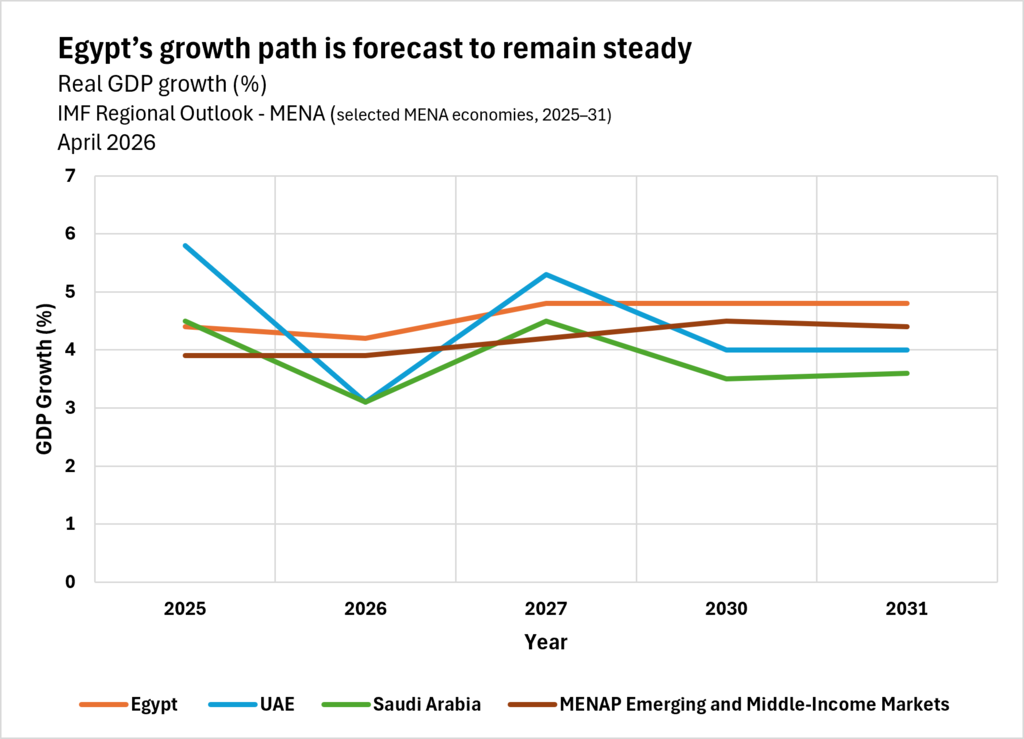
The International Monetary Fund expects Egypt’s gross domestic product (GDP) to grow from 4.2% in 2026 to 4.8% in 2027, with forecasts pointing to momentum through 2031. That places Egypt ahead of several regional peers and suggests an economy with underlying strength even as global growth slows.
Egypt also holds the promise of scale: it is the Arab world’s most populous country with over 110 million people and one of Africa’s largest economies, with young people making up about 60% of its population.
For businesses in Egypt, there is the opportunity to build, hire, manufacture and export, as well as sell products and services.
Reform can put Egypt’s scale to use
The government’s reform agenda aims to make its scale easier to invest in, prioritizing macroeconomic stability, stronger private-sector participation, export growth, job creation and a smaller direct role for the state in parts of the economy.
Egypt’s economic narrative frames this as a shift beyond infrastructure-led growth towards a more private-sector-led, export-oriented and productivity-driven model.
There are promising signs of progress. Egypt recorded its highest-ever primary budget surplus in the financial year (FY) 2024/2025, at 3.6% of GDP, while budget debt fell to 85.6% of GDP in June 2025 from 89.4% a year earlier.
Net foreign direct investment reached $9.3 billion in the first half of FY2025/2026, up from about $6 billion in the same period a year earlier, and the Central Bank recorded its highest-ever net foreign exchange reserves at $55.07 billion.
The next test is whether these numbers change the daily experience of companies: faster permits, simpler customs, clearer competition and more confidence to plan, a top priority for the government.
Egypt is shifting from construction-led growth to export-led industry
Egypt’s reform agenda is now moving more deliberately into the productive economy.
For years, economists framed Egypt's growth through consumption, construction and public investment. The next phase needs more private capital, exports and industries that can compete abroad.
Manufacturing is central to that shift. Egypt’s National Industrial Strategy aims to increase non-oil exports to $100 billion by 2030, with priority sectors including textiles, food processing, pharmaceuticals, automotive manufacturing, engineering, electrical equipment and electronics.
These choices draw on Egypt’s labour force, port access and proximity to major markets, while aligning with companies’ quest for production bases closer to consumers.
Renewable energy is another source of Egypt’s strategic value. The government is targeting 42% of electricity generation from renewable sources by 2030, supported by solar, wind and green hydrogen. Benban Solar Park near Aswan shows the scale of what is possible.
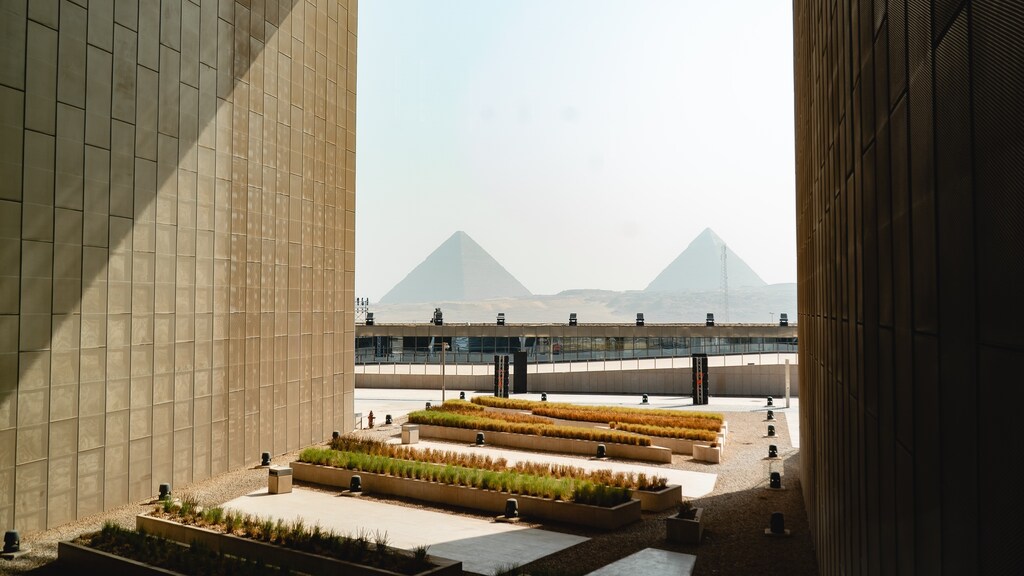
Tourism and technology are also becoming important drivers of Egypt’s recovery. Tourism grew by 17.3% in FY2024/2025 and is expected to continue its upward trajectory with the inauguration of the Grand Egyptian Museum and an updated tourism strategy.
The information, communication and technology sector has also grown by 14-16% annually and now contributes around 6% of GDP, while digital exports have reached $7.4 billion.
These sectors show how Egypt’s growth story is widening. Manufacturing needs infrastructure; exports need ports; and technology needs talent. Renewables can support industry while tourism brings foreign currency and jobs. With ongoing reforms, Egypt’s scale becomes a commercial advantage.
Egypt’s geography can move markets
Egypt’s location is one of its most important sources of influence. Positioned between Africa, the Middle East and Europe, the country links three regions that matter deeply to trade, energy and investment.
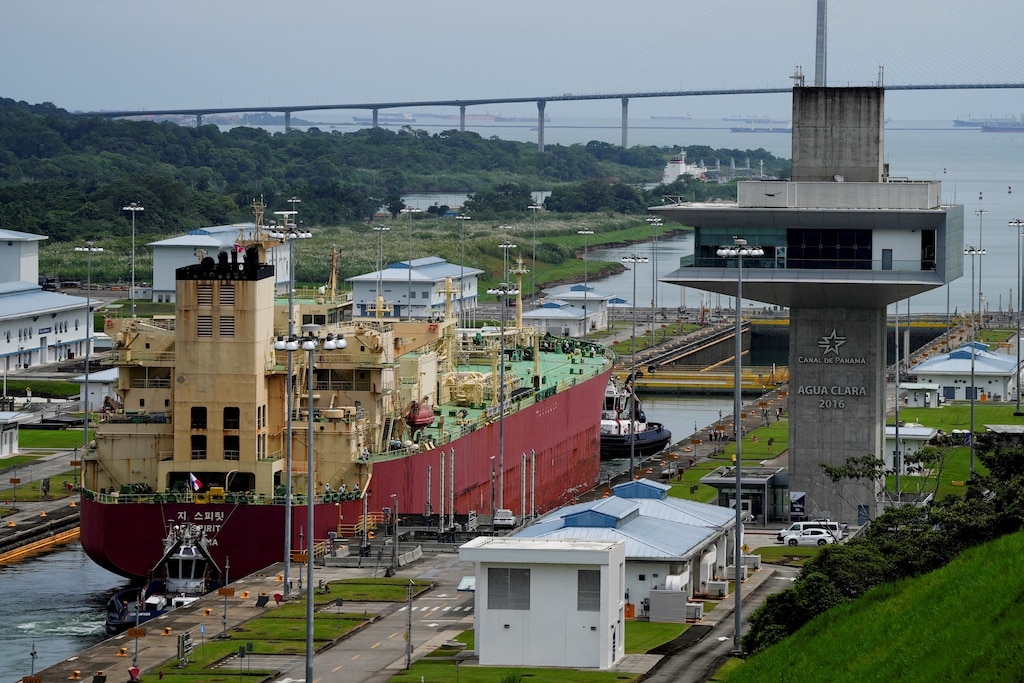
At the centre of this advantage is the Suez Canal, a major shipping route and strategic chokepoint that carries 12-15% of global trade and about 30% of global container traffic.
Recent disruption in the Red Sea has shown why it matters. When vessels are delayed, diverted or forced to absorb higher insurance costs, companies far beyond the region feel the impact. Supply chains become more expensive, delivery times stretch and uncertainty rises.
For Egypt, this creates risk and leverage. Canal revenues have dropped and are only recently rebounding. This disruption has shown how central Egypt remains to global commerce. The Suez Canal Economic Zone has attracted around $16 billion in investment over nearly four years and is being developed as an integrated industrial and logistics hub.
Egypt is also a digital bridge. The country carries 13% of internet traffic and around 90% of international data transiting between Europe, Asia and Africa through multiple submarine cable systems, making it a ripe market for investment in data centres, artificial intelligence and advanced technologies.
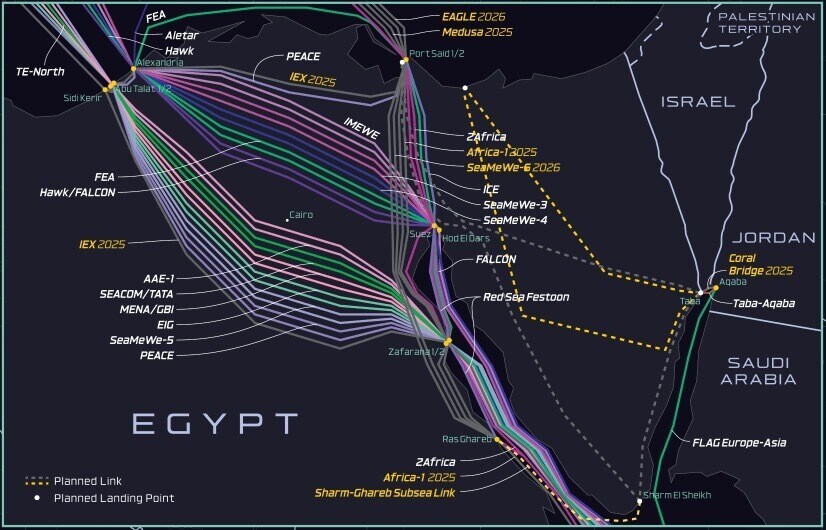
Geopolitically, Egypt has long stood at a regional crossroads between the Mediterranean, Red Sea, Africa and the Middle East, giving it diplomatic and security weight.
Cairo has used that position to engage across divides, playing a key role in mediation efforts across the region. For business leaders, this political weight strengthens the investment case as Egypt offers scale, reform potential, access and influence in a region under strain.
Egypt’s potential has not gone unnoticed. Goldman Sachs has projected that Egypt could become one of the world’s 10 largest economies by 2075. This rests on scale, location, a young workforce, reform momentum and access to regional and global markets.
For business leaders looking at the region’s next growth opportunities, Egypt is becoming harder to ignore.