This weekly roundup brings you some key climate change stories from the past seven days.
Top stories this week: Earth's warming, visualized; Aviation turns to hydrogen for sustainability; Heatwaves across the world; 10 eco-friendly foods; Lessons from hot countries on managing heatwaves.
1. How much hotter is Earth today than when you were born?
From wildfires across Europe this month to droughts around the world, climate change is being felt by billions around the globe.

These heat maps from NASA help visualise the story of global warming from 1930 to 2021. Find out how much hotter earth is today than when you were born.
2. Could hydrogen-fuelled flights be a reality by 2035?
To achieve net-zero goals, aviation industry leaders are turning to alternative fuels, such as hydrogen, to reduce the industry's environmental footprint.
A new report by the World Economic Forum and the University of Cambridge’s Aviation Impact Accelerator explores how aviation can achieve a true zero climate impact.

From using battery electric aircraft to switching to hydrogen fuel, explore the future of aviation.
3. Here's how concurrent heatwaves are impacting the world
Runways melting, wildfires raging and heatstroke deaths. Climate change is making heatwaves more frequent and intense.
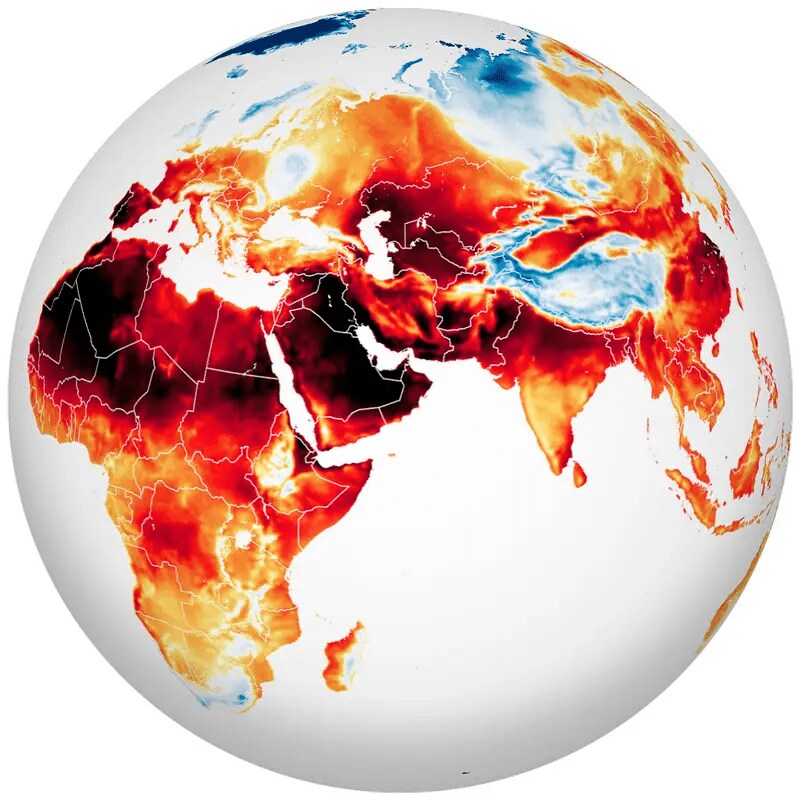
While researchers urge the world to cut greenhouse-gas emissions, cities must also prepare to deal with the heat. From adapting key infrastructure such as railways to adding things like robust weather warning systems, the world needs to take action.
Discover how heatwaves are impacting life around the globe.
4. These eco-friendly foods are helping tackle climate change
The global food system generates roughly one-third of global greenhouse gas emissions. So, agriculture and food production systems are central to efforts to cut global emissions.

From eggs made without chickens to 3D printed food, explore the eco-friendly foods that can help tackle climate change.
5. 7 lessons to learn from hot countries on dealing with heatwaves
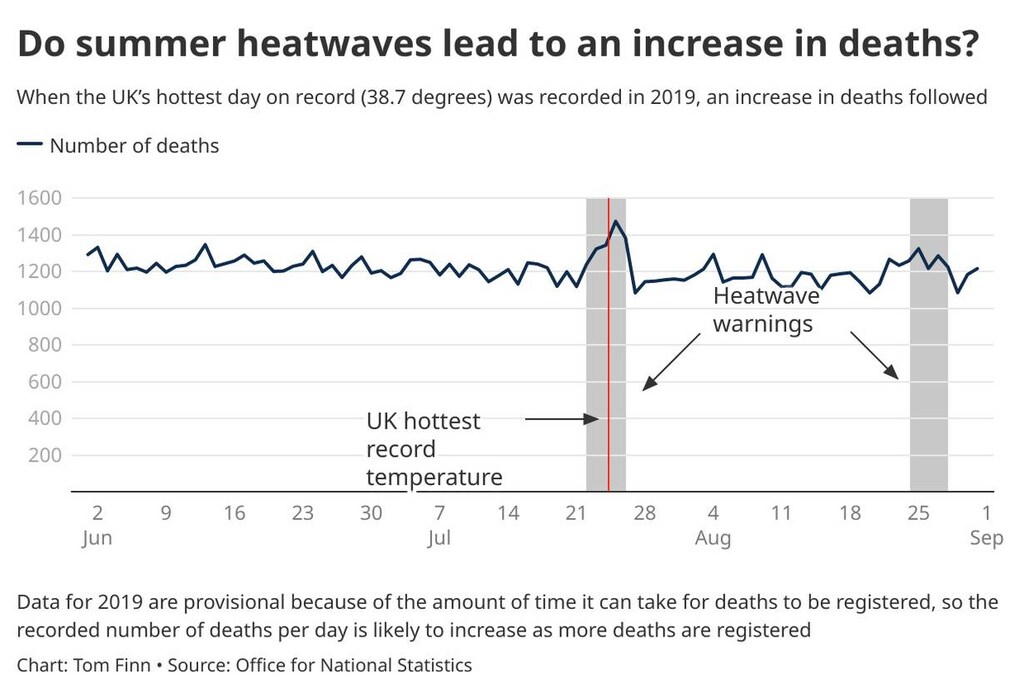
Heatwaves can have an impact on both physical and mental health, so what can we learn from countries that are experienced in handling heatwaves? Here are some of the key points:
Check in on vulnerable citizens
Provide early heatwave warnings
Distribute cooling systems equitably
Create shaded areas
Discover more ways to help keep cool.