How climate resilience can help cities and businesses grow
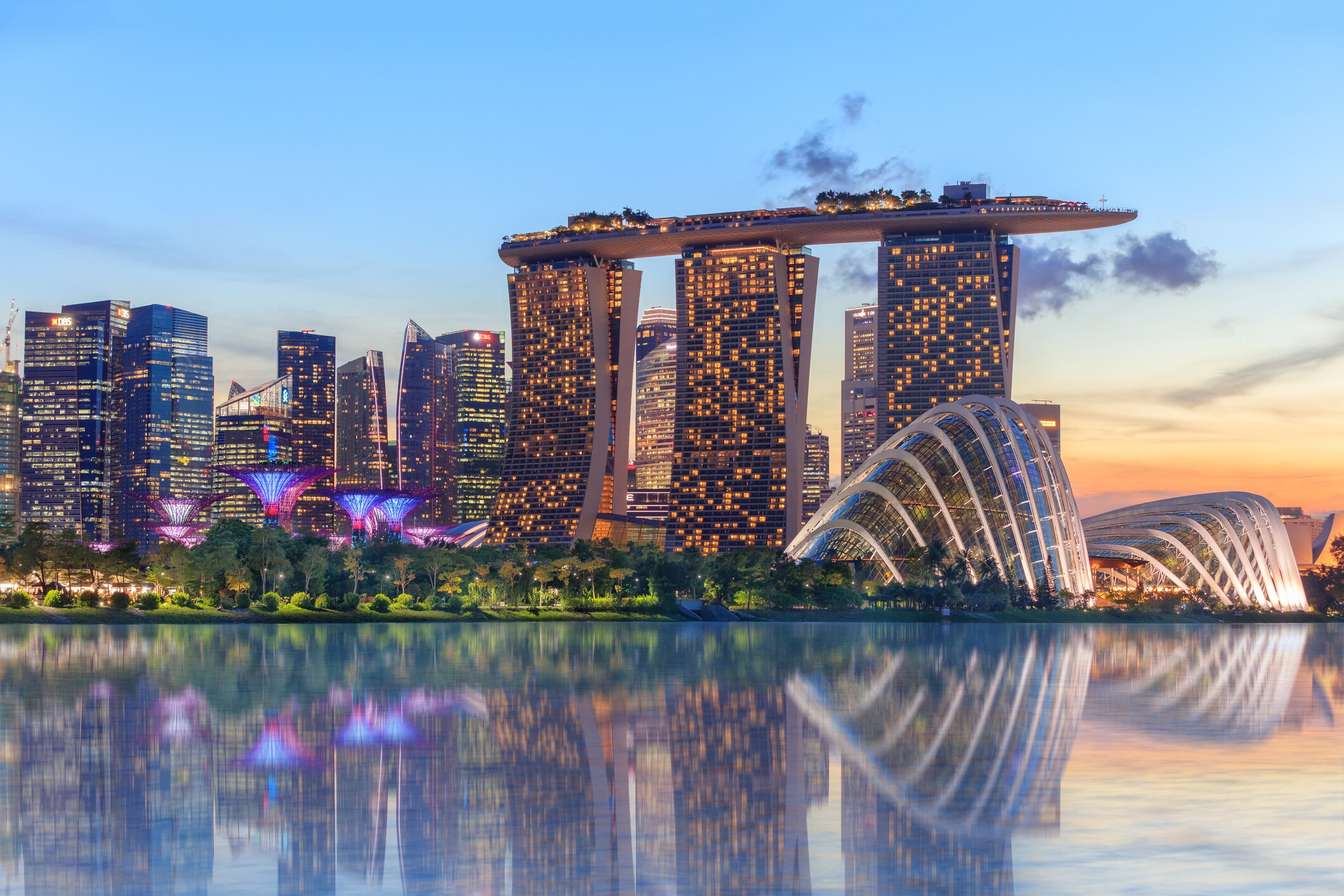
Singapore is one of many cities managing climate risk to become more resilient and attractive to businesses and investors. Image: Getty Images/lena_serditova
- Climate resilience is now a key driver of a city’s economic competitiveness, according to new research ranking 1,500 cities on business attractiveness.
- With 45% of CEOs currently planning to reconfigure supply chains, cities investing in climate resilience may see higher business activity.
- Climate resilience and liveability are key, leading cities in hotter areas to invest in smart cooling systems and green spaces.
Severe weather is becoming more common, costly and disruptive for cities and businesses. Nearly three-quarters of organizations have experienced losses or work disruptions from weather devastation, according to a 2025 global survey by insurer Marsh. This creates issues including higher insurance costs and work stoppages, as well as water shortages that shutter factories.
But a growing number of cities are increasing their climate resilience and therefore their marketability to businesses, according to a report from Oliver Wyman Forum. Ranking the business attractiveness of 1,500 cities globally, the report shows that central and northern European destinations like Bern, Oslo and Gothenburg are currently top ranked in climate resilience, while other cities are poised to rise.
How are cities managing climate risk?
Far-flung cities from Paris and Miami to Singapore and Sierra Leone's Freetown are using targeted investments to reduce risk, and secure their positions as climate-resilient hubs for talent, trade and business.
The following four actions have been especially helpful to them:
1. Safeguarding cities from climate devastation
A growing number of cities are investing in infrastructure that protects against the devastation of floods or extreme heat.
Singapore’s climate resilience plans, for example, include sea walls for coastal and flood defence and mandatory water recycling requirements for new projects in water-intensive industries to help prevent scarcity.
Other cities, like Sao Paulo, Brazil, plan to insulate houses with green areas to help prevent deaths, harvest rainwater and protect against water runoff and flash floods. And in South Africa, Johannesburg is planning for high flood-risk areas to be free of houses, offices and critical infrastructure by 2050.
2. Bolstering supply chains against climate change
The world’s supply chains are also exposed to climate risk because many manufacturing hubs are in flood-prone or water-scarce areas. But 45% of CEOs are planning to reconfigure their company's supply chains, according to 2026 research from Oliver Wyman Forum. Cities that position themselves as safe bets as logistics hubs could see higher business investment as a result.
The Port of Rotterdam, for example, is Europe’s largest seaport and accommodates roughly 30% of the EU’s container traffic. In preparation for rising sea levels and increased floods, the city’s adaptation strategy proposes raising quays and roads and relocating business-critical facilities like electricity and telecoms to safer, higher-ground areas.
Chinese cities have an opportunity to lead in Asia, where more than 40 of its top 100 manufacturing cities are at high risk of flooding, according to Oliver Wyman Forum data. Sustainability investments in places like Shenzhen, which has a coastal defence system, may persuade manufacturers to stay in China rather than diversify to lower-cost countries.
Investments in renewables technology, such as water recycling systems, also protect against the water scarcity that will challenge other less developed cities.
Those cities that are considered a part of companies’ “China plus one” supply chain strategies – in which companies diversify operations to an additional location outside of China – should also be proactive in protecting their attractiveness in this respect.
Chihuahua, Mexico, for example, has benefitted from supply chain shifts but is vulnerable to water shortages. While the city’s use of treated wastewater to irrigate green spaces has helped ease the pressure, it should invest more in resiliency infrastructure.
3. Investing in liveability and talent attraction
Climate resilience and liveability are key to attracting and retaining the world’s best employees – from architects to AI engineers. Talent often migrates from cities affected by excess heat and humidity, frequent floods or water shortages to areas with milder climates, more resilient infrastructure and easy access to natural surroundings and activities.
Many of the most climate-resilient cities highlighted by the report excel at this by proactively investing in liveability. Sweden’s Gothenburg, for example, blends liveability, climate resilience and job attraction. The city offers nearly 3,000 square feet of green space per resident and benefits from a national initiative to decarbonize the industrial sector and create new jobs.
Cities in warmer climates can adopt similar methods. Riyadh in Saudi Arabia, for example, uses smart systems and reflective materials to ensure buildings are sufficiently cooled. Its urban planners also are creating more canopies and small green spaces to improve walkability.
4. Building public-private partnerships
Cities and businesses can collaborate to manage the rising costs of devastation.
Singapore launched a public-private partnership in April 2026 to help strengthen businesses’ climate resilience in areas like green procurement and sustainable financing, for example. The government also issued supervisory guidelines for financial institutions to manage their own and their wider portfolios’ climate risk by adapting their business, governance and risk management models.
Building a defence against climate risk
Businesses should consider the cost of inaction, as well as proactively assessing climate risk to safeguard their people, infrastructure and operations – particularly amid supply chain and macroeconomic shifts. Part of this assessment should involve analyzing which cities are best defended against climate risks.
And for cities themselves, investing in clean technologies, jobs and infrastructure, and creating forward-looking plans, can help to position these places as a wise choice for business investment – particularly as severe weather events happen more frequently.
Don't miss any update on this topic
Create a free account and access your personalized content collection with our latest publications and analyses.
License and Republishing
World Economic Forum articles may be republished in accordance with the Creative Commons Attribution-NonCommercial-NoDerivatives 4.0 International Public License, and in accordance with our Terms of Use.
The views expressed in this article are those of the author alone and not the World Economic Forum.
Stay up to date:
Cities and Urbanization
Related topics:


Forum Stories newsletter
Bringing you weekly curated insights and analysis on the global issues that matter.
More on Climate Action and Waste Reduction See all

Chavalit Frederick Tsao
July 28, 2026


