Port ecosystems handle about 80% of global trade, with many now becoming next-generation energy and logistics hubs.
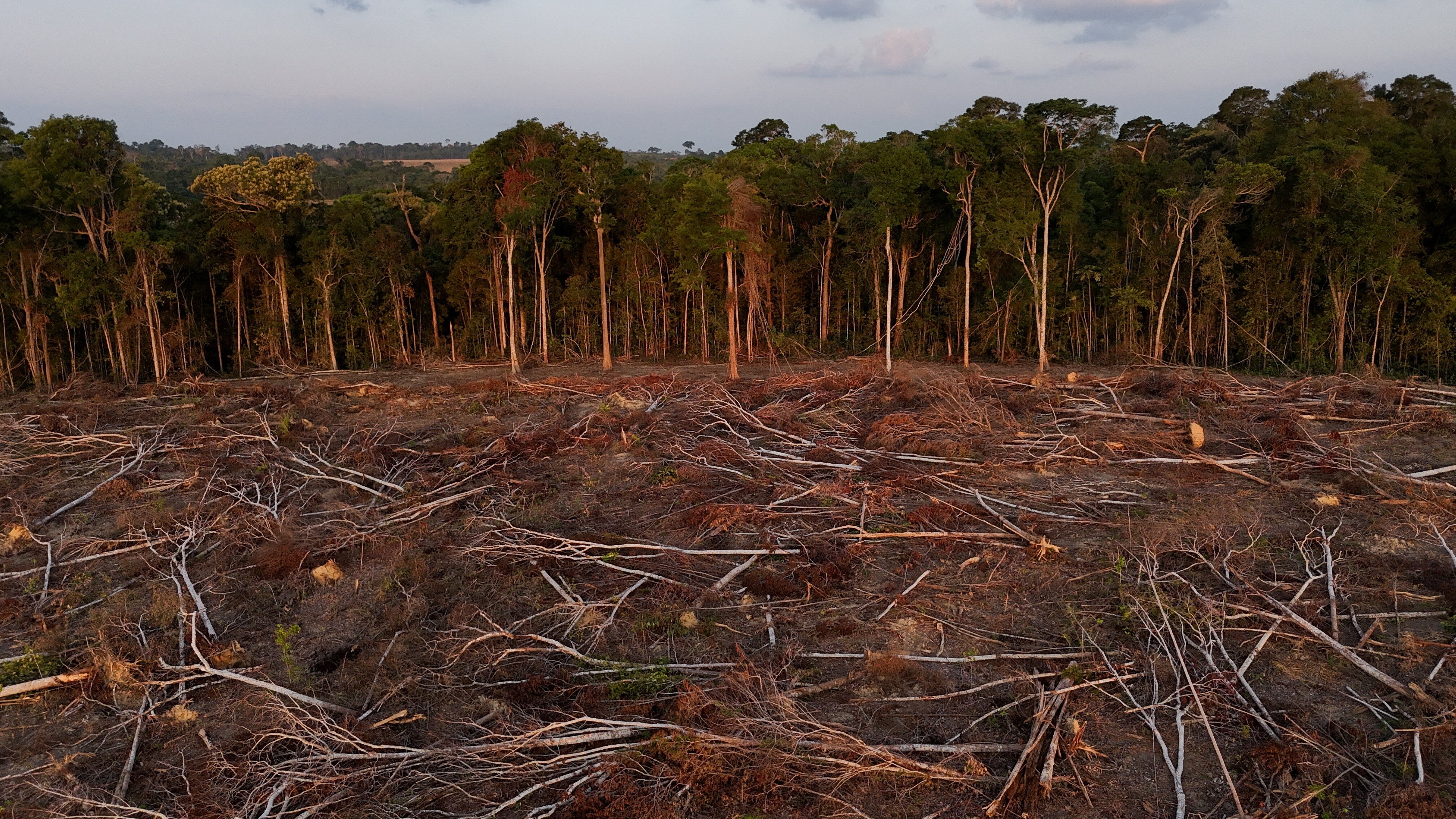
However, nature loss and climate hazards threaten these port systems, affecting business continuity and causing economic losses.
The World Economic Forum's Future-Proofing Ports: Nature, Climate and People as Drivers of Competitiveness briefing paper highlights how ports can build resilience with nature, climate and people as drivers of competitiveness.
About 80% of global trade is handled by port ecosystems, contributing to 2.6% of global gross domestic product (GDP). Many are rapidly evolving into next-generation energy and logistics hubs, becoming producers and distributors of clean energy, including electricity and hydrogen, to support the decarbonization of global shipping.
Ports can be engines of local economic growth, affecting domestic infrastructure and business development inland. As such, their influence over regional prosperity has the potential to be widespread.
Acute nature and climate hazards are already disrupting port operations and wider logistics systems, affecting business continuity and economic loss. Port downtime caused by climate-related events such as extreme weather patterns places about $81 billion in global trade and at least $122 billion in economic activity at risk each year.
Transforming business models for ports worldwide
Port-anchored industrial clusters are incredibly complex systems, including upstream activities such as the supply of energy, materials, and resources; direct operations like port management, regulation, and infrastructure development; and downstream activities such as shipping, logistics, and inland transportation. The largest ports can span many kilometres in length, and support tens of thousands of jobs.

For decades, port competitiveness was measured mainly through scale, speed and connectivity. Whilst these metrics are still key to growth, co-located industries, investors and governments are also increasingly conscious of how port ecosystems can manage and mitigate nature, climate and people-related risks.
Industrial transformations provide an example of how other ports can scale effectively, aligning economic performance with the long-term health of people, nature and the ocean systems on which global trade ultimately depends.
How ports can future-proof operations to be more competitive
By strengthening collaboration between co-located organizations, public institutions and local communities, ports can build resilience and ensure long-term competitiveness. Here are three ways to future-proof port ecosystems, as highlighted in the World Economic Forum's recent briefing paper Future-Proofing Ports: Nature, Climate and People as Drivers of Competitiveness.
1. Turn decarbonization into an industrial advantage
Ports that adopt safe, low-carbon infrastructure will likely be better positioned to attract future trade, investment and industrial partnerships. Research shows that the port sector could create more than $54 billion in cumulative value by 2030 by implementing nature-positive strategies such as living seawalls, sandbars and submerged breakwaters.
Meanwhile, the Global Port Sustainability-Linked Loan initiative developed by C40 with the International Finance Corporation (IFC) and the International Association of Ports and Harbors (IAPH), targets $1 billion in green maritime infrastructure investment in a bid to address the $200 billion sustainability-linked financing gap for infrastructure in the maritime sector.
With a focus on Global South ports, this shows that decarbonization and climate-resilient infrastructure projects may be better placed to access sustainability-linked loans, blended finance, guarantees and public support.
2. Build with nature instead of against it
Natural systems are a part of port resilience, regulating the climate, filtering pollutants, sustaining supply chains and more – all of which are essential for business continuity.
Ports that integrate environmental resilience into their business strategies can create new sources of value. Well-designed, resilient ports minimize operational disruptions from extreme weather, protect critical assets and reduce long-term maintenance costs. For example, coastal habitats can reduce wave heights by 35% on average, and mangroves provide flood protection benefits exceeding $65 billion per year.
This year, with its Nature Vision, the Port of Rotterdam has taken an integrated approach to incorporating nature into its port strategy and operations. Developed with the Naturalis Biodiversity Centre, the Nature Vision combines the port’s economic development goals with the ambition to restore and conserve nature in the Rhine-Meuse Delta, working with a wide range of stakeholders to improve soil quality, water quality and reduce pollution caused by light, noise and waste.
3. Putting the safety of people at the centre of the ports transition
Workplace safety and wellbeing are key to future resilient ports.
Investing in workforce safety, reskilling, and stronger community engagement is likely to position ports better for long-term growth. This is especially important as ports evolve into more technologically advanced and energy-intensive industrial ecosystems.
Ports are intrinsically linked to the coastal environments in which they operate and woven into the social fabric of the communities they serve. Seeking to deliver tangible and shared benefits with the community will strengthen a port's social licence to operate.
For example, The Port of Açu in northern Rio de Janeiro has become an active agent of socio-economic development, opening a visitor centre that supports public engagement for local communities. Since it opened in 2022, it has supported more than 45 research projects and educational programmes integrated in 60 local schools.
Lessons from the Port of Tianjin
The shift towards nature- and people-positive practices is particularly important in China, home to six of the world’s 10 busiest ports and one of the most influential maritime economies globally.
As highlighted in the World Economic Forum's report on Industrial Transformation in ASEAN, what happens in Chinese ports shapes regional trade flows, supports inter-country collaboration and increasingly drives global approaches to industrial transition and maritime resilience.
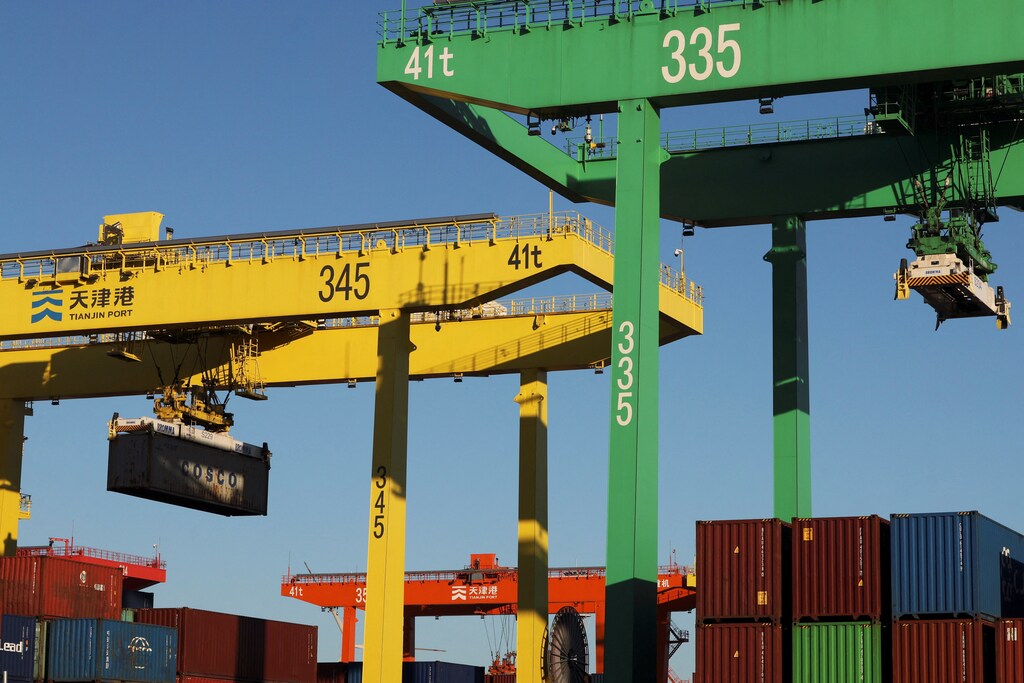
The Port of Tianjin is one of the largest ports in northern China, and the main maritime gateway to Beijing, welcoming more than 100 container ships every day. Many of the interventions made by the port over recent years highlight how major industrial and logistics hubs can evolve from traditional carbon-intensive operations towards a more resilient and future-proof model.
The Port of Tianjin’s investments in renewable electricity, automated terminals and smart energy systems demonstrate how decarbonization can support both environmental and operational goals at the same time. Its intelligent transport system leverages 5G technology, Beidou positioning technology and artificial intelligence to facilitate autonomous operations that have enhanced operational efficiency by approximately 20%, while about 70% of operational power demand comes from renewables.
Ports innovation key to building a prosperous ocean economy
The Port of Tianjin’s recent development strategy has been characterized by industrial expansion, digital innovation and green transition. The port accelerated investment in smart and sustainable port infrastructure, working with tech giants Huawei to build the world’s first operational Smart Zero Carbon Terminal, deploying autonomous systems and digital monitoring for improved operational efficiency, strengthened long-term resilience and competitiveness.
The use of intelligent technologies, such as a port community system (PCS), a collaboration tool that enables real-time information exchange across port stakeholders, can help improve cross-ecosystem coordination, bringing together multiple data sources to increase efficiency, more easily identify environmental pressures, and support good governance. For example, the PCS used in Dubai’s Port of Jebel Ali has helped avoid 12.74 million visits by logistics service providers and digitised 42.47 million paper exchanges, equivalent to saving approximately 3.8 million pounds of carbon dioxide emissions.
These systems can also provide huge economic benefits. PORTBASE, a PCS used across the Netherlands, has reduced the annual cost of logistics for businesses by €245 million ($280 million) .
Collaboration is vital for ports to function effectively. A port ecosystem is incredibly complex, encompassing a wide range of organizations and stakeholders that enable it to function efficiently, sustainably and inclusively. Many of these actors will operate in silos, and as a result, port systems are often fragmented.
By uniting under a shared vision of how to effectively future-proof their operations, through accelerating decarbonization, building with nature and prioritizing upskilling, actors across the port ecosystem can strengthen partnerships, mitigate risks, build resilience, support job creation and contribute to a regenerative and prosperous ocean economy.