A list of some of the week’s most interesting stories on economic growth and social inclusion
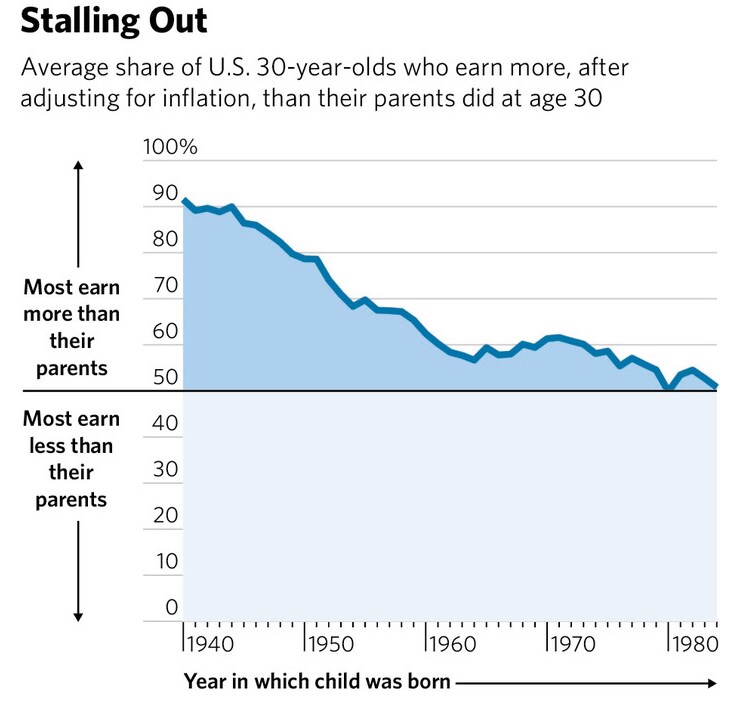
Facts and figures. Just about half of 30-year-olds in the US earn more than their parents did at a similar age – down from close to 100% forty years ago. (Wall Street Journal)
Trump’s tax plans favour the rich and will hamper economic growth, writes Lawrence Summers. (Financial Times)
The potential of big data for growth still remains unexploited. A new report points to leaders and laggards in reaping the benefits of analytics. (McKinsey Global Institute)
Why should all companies become B Corps? (HBR)
Italy’s referendum was the latest in a sweep of meaningful domestic democratic decisions with international repercussions. What does it mean for Europe? (Knowledge@Wharton)
In a move to curb earning inequality in companies, Portland has introduced a new tax. How does it work? (New York Times)
Globalization needs to be made more inclusive to avoid negative consequences. How? (Vox EU)
A new coalition is committing $10 million over the next two years to explore how a Universal Basic Income could “ensure economic opportunity for all”. (Quartz)
Meanwhile, a Canadian province is already piloting a universal basic income. (Independent)
For some Christmas reading, Martin Wolf compiled a list of the best economics books of 2016. (Financial Times)