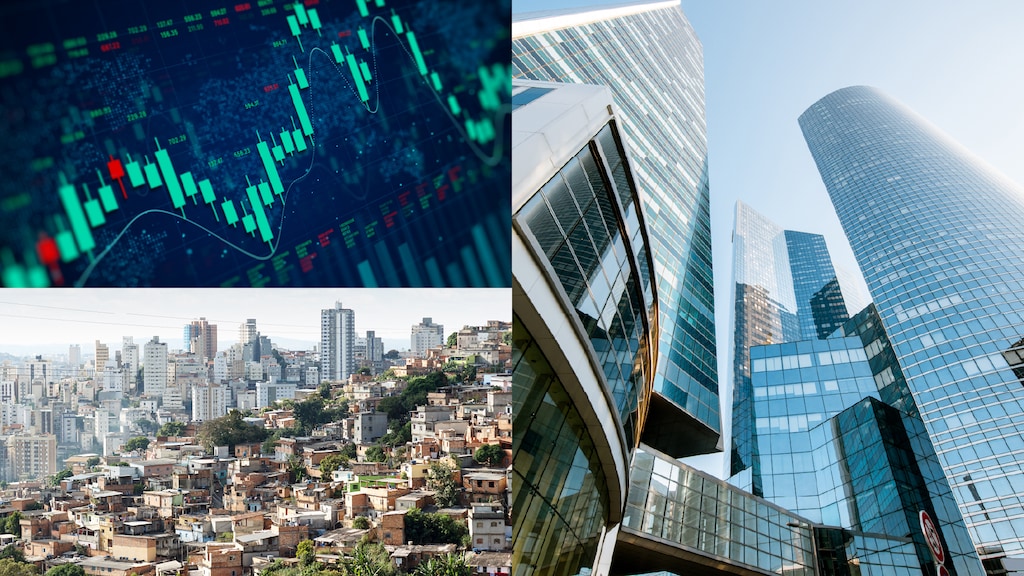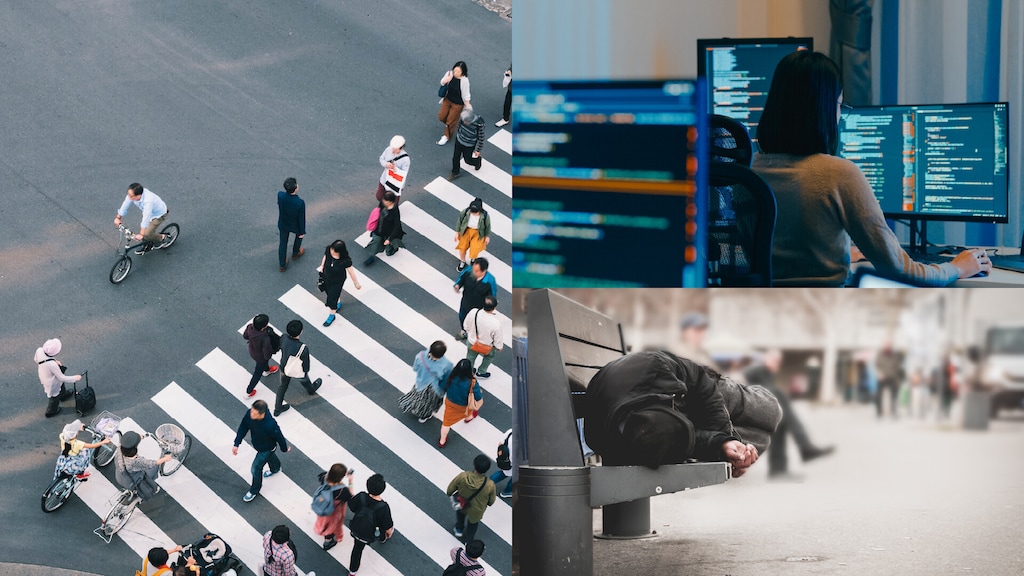
We should have seen a decrease in inequality with globalization, but that’s not what has happened in the last 25 years, according to Nobel Laureate and Harvard Professor Eric Maskin. While there are a number of reasons to care about inequality, he says there is a high correlation between high inequality and social and political unrest, with consequences for a country’s political and economic stability.
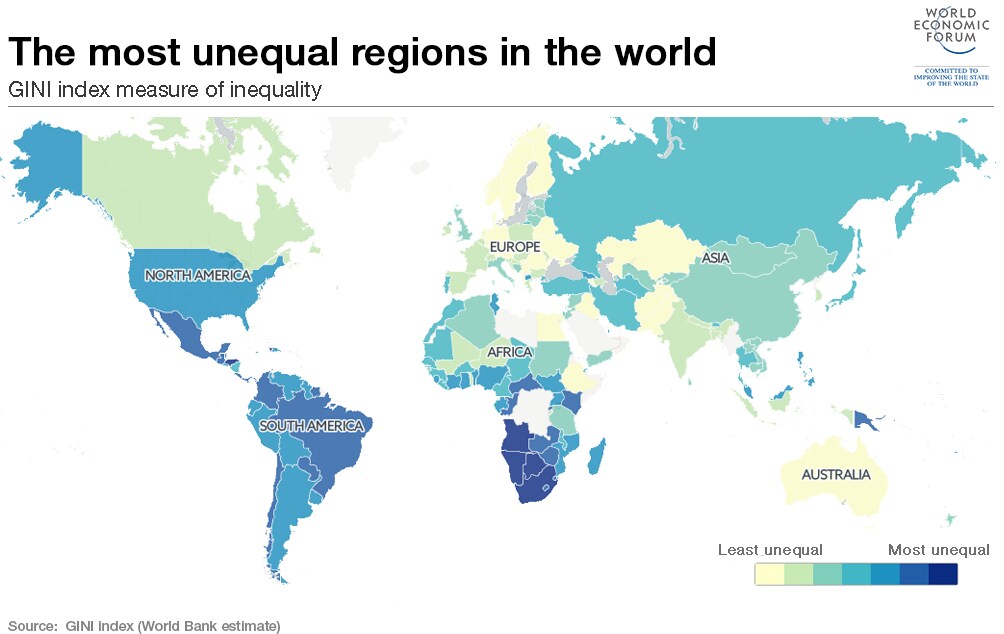
In this podcast interview with Professor Maskin, he explores how and why inequality is a widespread phenomenon that affects rich and poor countries alike.
While it was widely expected that globalization would reduce inequality, income disparities between skilled and unskilled workers has only increased in recent years.
Improving the skill set of those left behind by globalization through education and training could make a significant difference to close the gap.
Listen to the interview here: