1. The global gender gap has widened for the first time since the World Economic Forum’s Global Gender Gap Report was first published in 2006, bringing to an end a decade of slow but steady progress towards improving gender parity. This year the average gender gap stands at 32%, compared with 31.7% last year. This reversal has been driven by declining gender parity in both the workplace and in political representation.
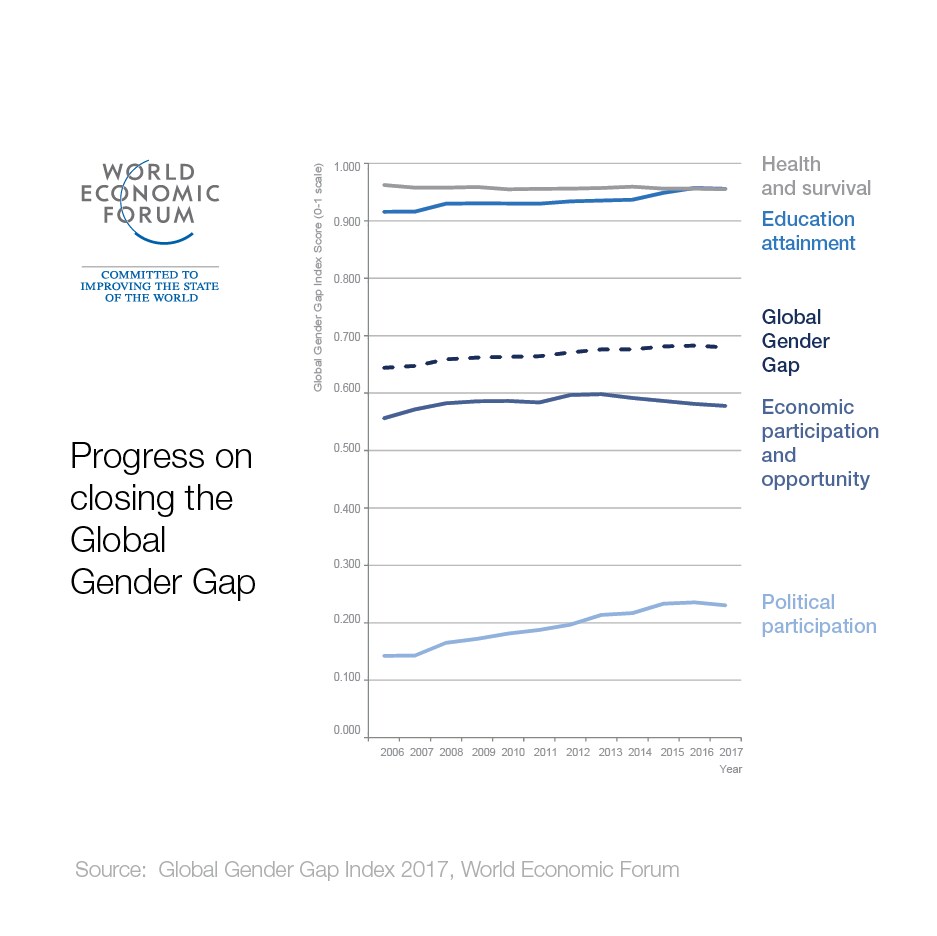
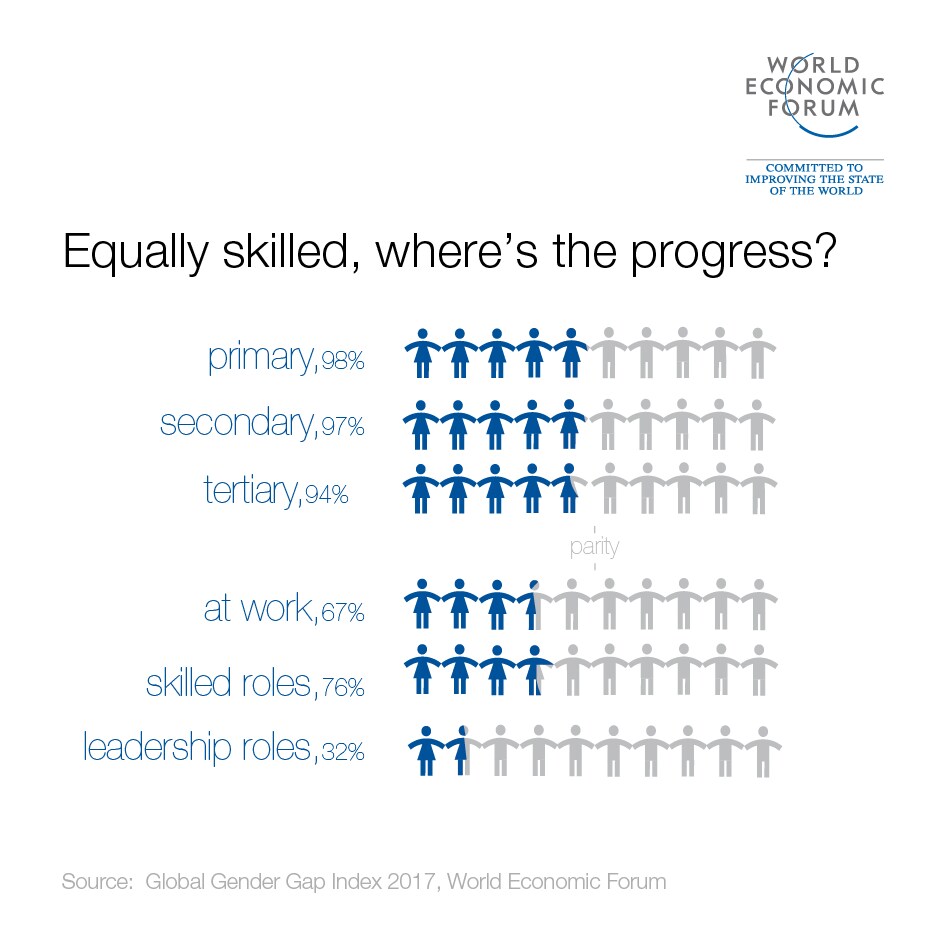
2. Globally, few gender gaps in education remain. Women make up an equal or larger share of those attending university in 93 countries, for example. Nevertheless, economic outcomes are significantly less favourable for women than for men, much more so than could be explained by the remaining gaps in education.
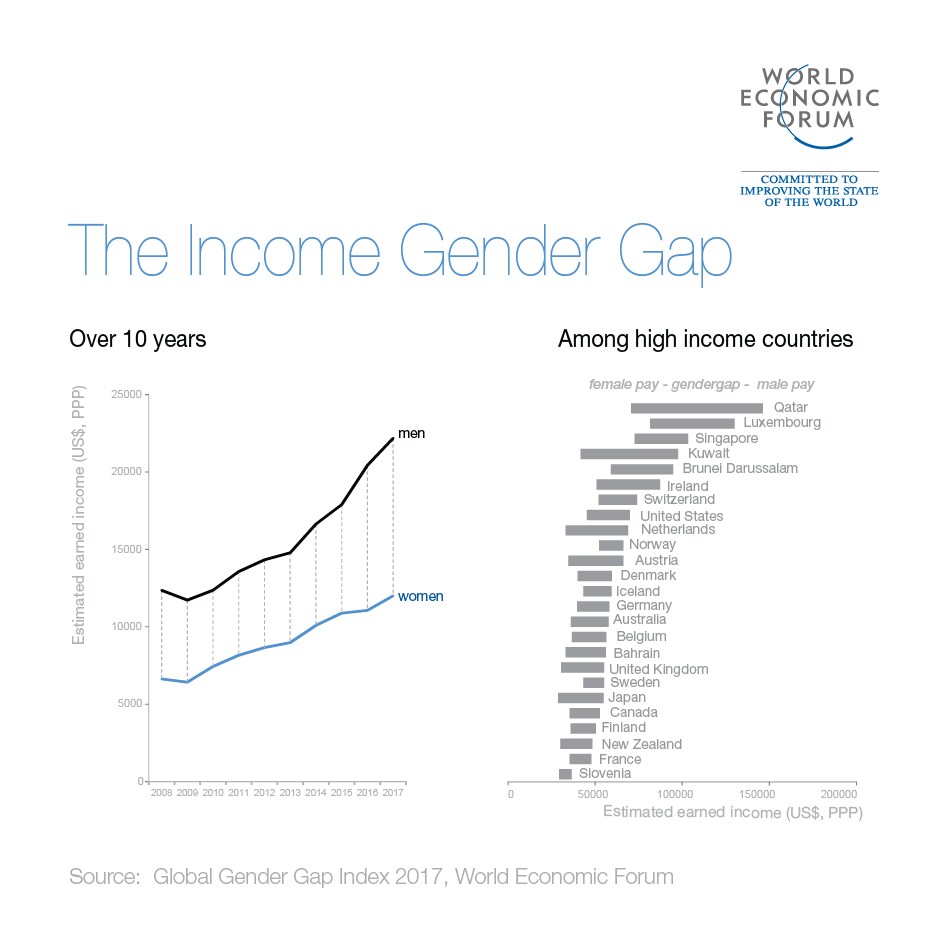
3. While income levels are rising globally for both women and men, women do not share equally in the benefits of this rising prosperity. High gender gaps in income persist in many countries, including the most affluent.
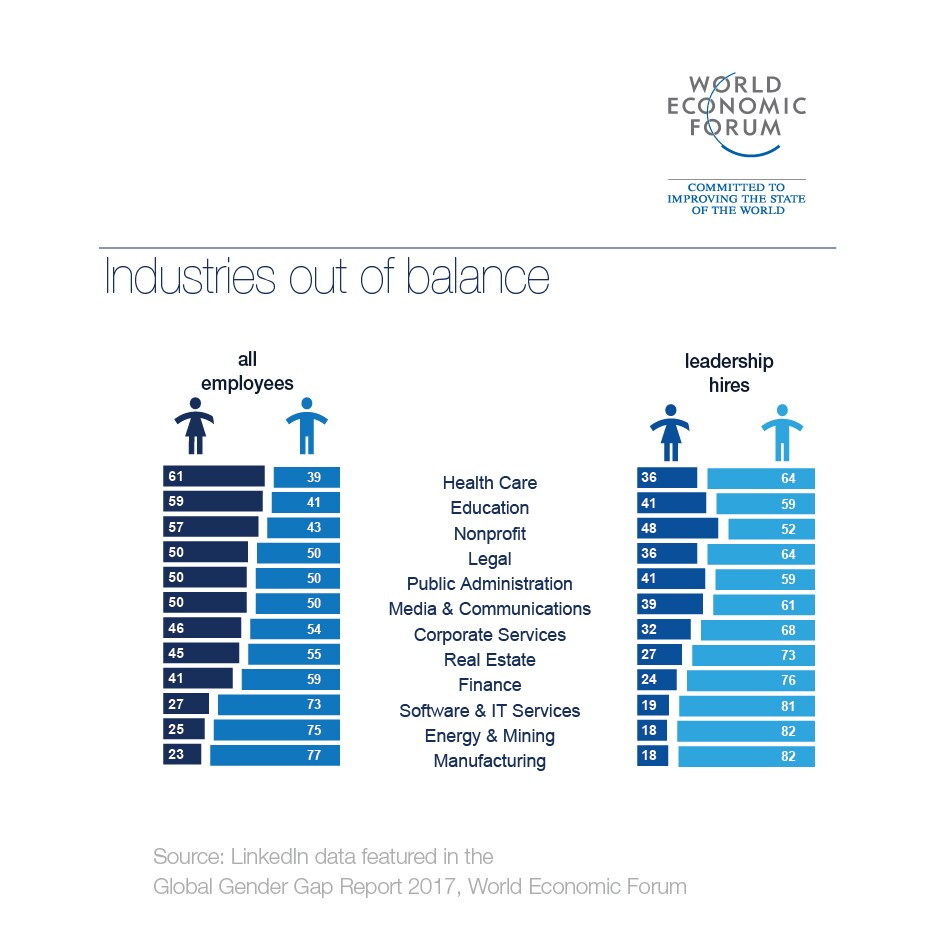
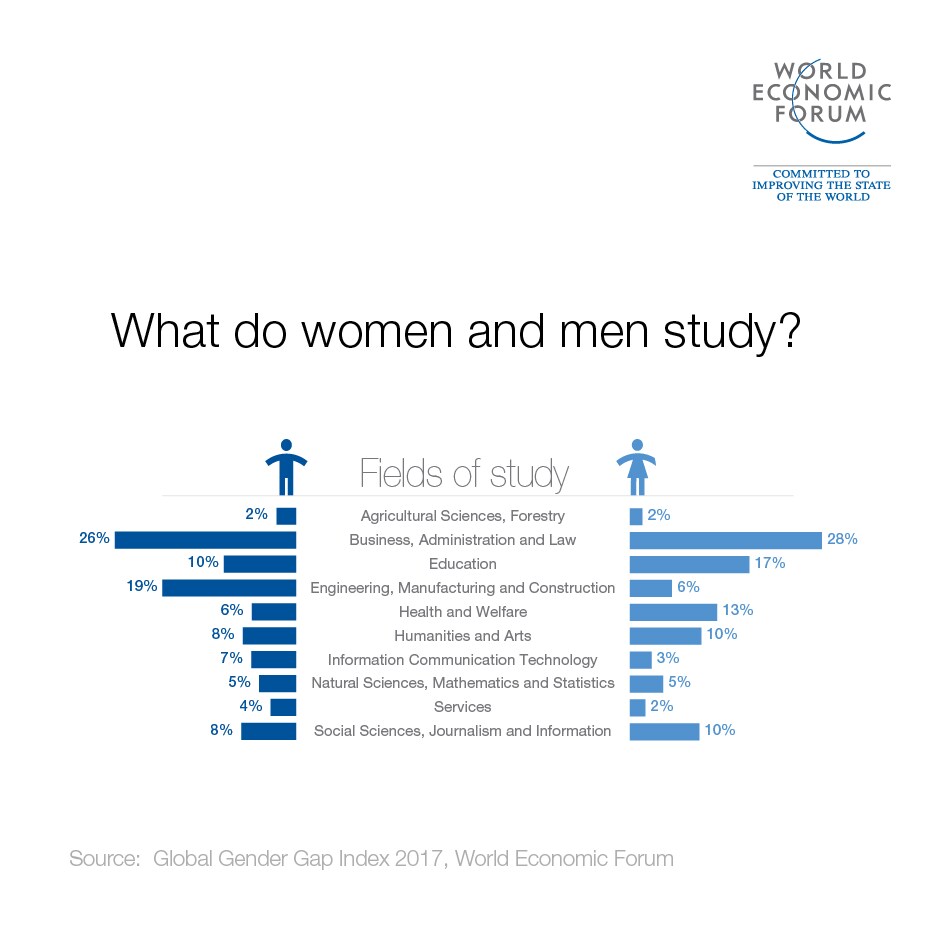
4. Despite roughly equal university education overall, there is a difference in what male and female students are studying. Women are more likely to specialise in fields such as health and welfare or education, while men make up more of those specialising in engineering, manufacturing and information technology degrees. These choices are not based on aptitude, but are made due to perceived opportunities and societal attitudes.
5. In the workplace, across industries, there is a further imbalance especially when it comes to leadership roles. Not only must more effort be made to balance talent pipelines, but companies must also adopt better practices and policies when it comes to hiring, retention, promotion, mentorship, sponsorship, transparency and targets.