The Energy Transition Index tracks progress in 115 countries.
Looks at: economic development, environmental sustainability and energy security.
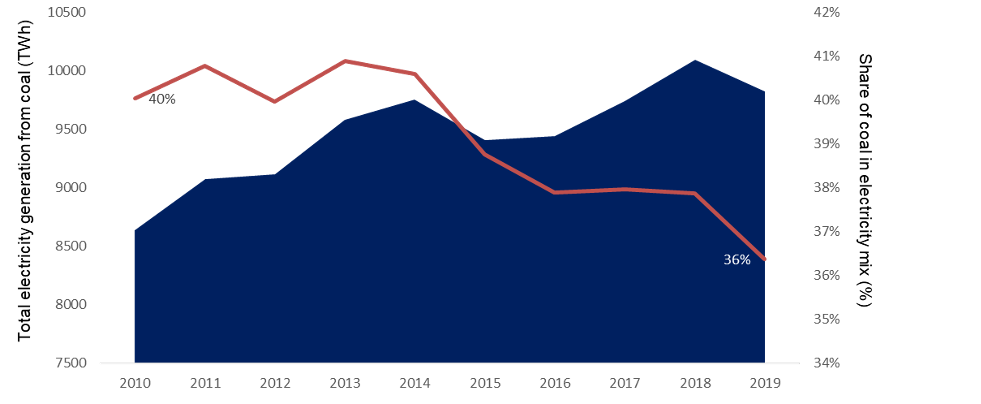
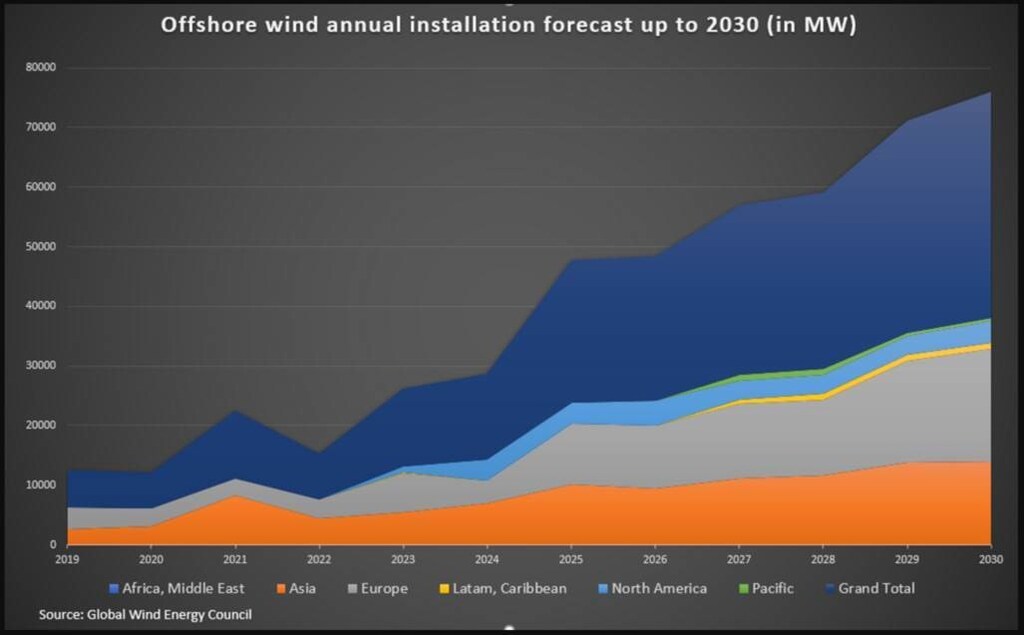
Huge growth in renewables but coal and other fossil fuels not declining.
Greenhouse gas emission are already back from that COVID-induced dip when lockdowns brought much industrial activity and transport to a halt.
So is there any hope of an energy transition away from fossil fuels quickly enough to avert climate catastrophe?
In the latest episode of Radio Davos, we hear from one of the authors of the Energy Transition Index 2021, which measures the performance of the energy systems of 115 countries in three areas: economic development and growth, environmental sustainability and energy security.
And Reuters Energy Correspondent Shadia Nasralla gives her view on the state of global energy and the implications for climate change.
Charts mentioned by Shadia:
Jargon buster
Paris Agreement - Climate change treaty adopted in Paris on 12 December 2015 with the goal of limiting global warming to well below 2, preferably to 1.5 degrees Celsius, compared to pre-industrial levels.
IEA - International Energy Agency - read its most recent report here.
ESG - the environmental, social and governance aspects of business performance, read about the World Economic Forum's work on ESG here. And hear our interview with Mark Carney here:
'Hard to abate sectors' - sectors of the economy where switching away from fossil fuels is particularly difficult, but very important, such as aviation, trucking, shipping, aluminium, chemicals, cement and concrete, and iron and steel. Read about the Forum's Mission Possible initiative here.
CCUS - carbon capture, utilisation and storage
Carbon intensity - the amount of CO2 produced per unit of economic output.
Find all our podcasts here.
Subscribe: Radio Davos; Meet the Leader
Join the World Economic Forum Podcast Club on Facebook.