Women make up slightly more than one-third of the workforce in manufacturing and supply chains, but less than a quarter of those in executive positions are women.
In one factory cluster in India, targeted on-site pilot projects have shown that this gap can be quickly closed while increasing efficiency.
The shift from manual labor to digital systems will present a great opportunity to accelerate women's participation in factories of the future.
The manufacturing and supply chain sectors continue to face a severe labor shortage, with companies and countries struggling to recruit for critical positions. Percentage of women While women make up slightly more than one-third of the workforce, less than a quarter hold executive positions. These disparities in participation and leadership exist at all levels. Closing them is essential to ensuring long-term competitiveness and industry growth.
Achieving full gender parity worldwide While it is estimated that this will take another 120 years, closing the gap in factory operations and leadership can be achieved much more quickly at the factory level. The key lies in a combination of locally-based talent development, safer infrastructure, and systematic technical career paths. This is the blueprint that Hindustan Unilever (HUL) has demonstrated across its entire Haridwar manufacturing cluster, while simultaneously driving improvements in operational efficiency.
From the World Economic Forum: In end-to-end supply chains Global Lighthouse The cluster, which has been certified as a "Comprehensive Beauty and Personal Care Product," consists of seven beauty and personal care product factories. What began in 2015 as a single pilot project, a manicure manufacturing unit run by 30 female employees, has led to a transformation of the entire facility. Currently, the cluster operates with a nearly equal gender ratio, and more than 60% of management positions are held by women.
Three keys to achieving gender parity in manufacturing
How did the company achieve gender parity while expanding operational efficiency and automation? While each facility and industry has its own unique challenges, the Haridwar manufacturing cluster case highlights strategies that other companies can adopt to build an inclusive and future-proof workforce. These versatile strategies include the following three:
1. Start as a pilot project at the field level.
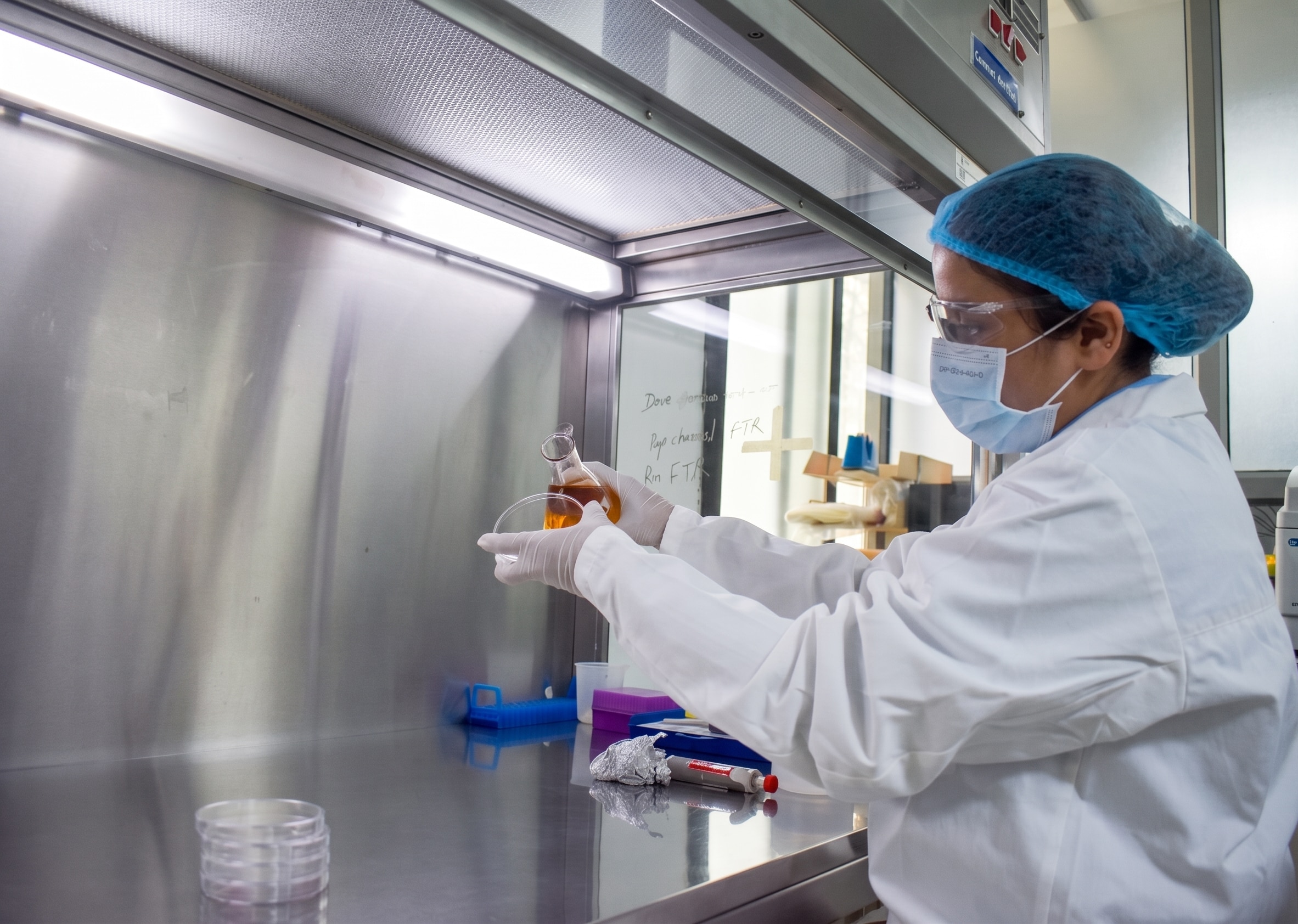
In 2008, a nail polish factory began operations as part of the beauty division. At the time, the entire cluster's operations were almost entirely male-dominated. In 2015, management launched a targeted pilot project: to hire and train 30 local women to run the nail polish factory. This project had a clear operational need: nail polish production requires exceptional precision, dexterity, and quality control, making untapped local talent perfectly suited for the job.
Hired through competency assessments and trained on-site, this team achieved zero quality defects and an overall equipment effectiveness (OEE) of 90%. This initial success validated the business case and gave management the rationale and confidence to expand the recruitment of women across the entire site.
What lesson can be learned? It is that we do not need to wait for radical reforms across the entire base or company. First, establish clear performance indicators, validate the business case through targeted and highly accurate pilot projects, and build trust within the organization.
2. Addressing structural frictions that limit women's participation
One of the main factors influencing women's employment in industrial sectors is safety. To address this challenge, the center partnered with local government leaders to improve public infrastructure and local traffic safety. They also collaborated with police officers, local hospitals, and medical centers to conduct awareness sessions and strengthen community safety and support networks for female workers.
Transportation assistance has evolved from basic GPS-enabled services to a door-to-door pick-up and drop-off system utilizing AI and QR codes. Within the facility, investments have been made in high-brightness lighting, on-site childcare facilities, appropriate personal protective equipment, and ergonomically designed environments to accommodate a diverse workforce.
The key lesson to be learned from this is clear for business leaders in all sectors: achieving gender balance in the workforce requires not only internal HR policies, but also identifying and removing specific structural barriers (whether physical, cultural, or logistical) that artificially limit women's entry into and continued employment in the labor market.
3. Establish a systematic career path from field positions to leadership positions.
Women at this site currently hold a wide range of positions, from factory engineers and digital transformation leaders to factory managers, and represent a high proportion in the fields of maintenance, quality control, supply chain planning, safety, and engineering.
This career transition was driven by the facility's skills development model. This is a multi-layered system that aims not only to bring women into the factory floor, but also to support their growth into technical and leadership roles over time.
Improving on-site technical and digital skills: Operators receive cross-factory training in partnership with equipment manufacturers to develop the ability to operate multiple machines. Alongside their core duties, they enhance their proficiency in digital factory operating systems, statistical process control, robotics and automated machinery, instrumentation, and custom factory applications through structured digital programs.
Career development to become a team leader: As operators advance in their careers, they transition to supervisory roles through on-site assignments within the factory, communication training, and cross-functional project leadership. A broader range of capability development initiatives are also in place, focusing on integrating fundamental supply chain management skills, leadership behaviors, and digital engineering skills.
Strategic network with executives: At the management level, female leaders connect through cross-factory forums and collaborate on career development and peer mentoring. Next-generation leadership candidates are directly matched with executives and external coaches to lead high-profile strategic projects.
The lesson other supply chain organizations can learn from this is that placing women on the production floor is merely a starting point. Maintaining gender parity in the long term requires a deliberate learning infrastructure that systematically transforms entry-level work experience into technical expertise and management leadership.
Future prospects
Over the next two to three years, the company plans to further strengthen its recruitment channels across the entire site by expanding partnerships with universities, collaborating with local educational institutions, and engaging with the local community. It is also focusing on long-term employee retention by improving safe commuting environments, ergonomic work environments, life-stage-appropriate support, and workplace accessibility, as well as expanding support for women to advance their careers into professional technical roles and senior management positions.
The broader goal is to establish gender balance as an operational standard across India's consumer goods sector and to position the facility as a model case for "people-centered, future-oriented manufacturing."
A crucial opportunity for the factory of the future
The company's experience highlights the widespread transformation underway across global supply chains. As manufacturing becomes more automated and data-driven, the nature of industrial work is undergoing a fundamental change. The World Economic Forum's "Human-Machine Collaboration Framework"Human–Machine Collaboration Framework According to this report, 41% of the skills needed in the factory of the future will relate to new or emerging technologies. This means a shift from purely manual labor to mastery of digital and AI, managing AI and autonomous systems, advanced judgment, real-time data analysis, and adaptive team coaching.
This technological advancement is creating unprecedented opportunities for industry leaders. As physical burdens are reduced and automated systems take center stage, traditional barriers to career development in manufacturing will be removed. To overcome long-standing biases in the manufacturing sector, we must promote digital transformation while simultaneously fostering the active participation of women in factory, technical, and leadership roles. This will enable the next generation of factory leadership that is technologically advanced and gender-balanced.