Agriculture’s defining challenge has always been how to get more – more people, more crops, more food.
For generations, our industry has risen to meet that moving target. Farmers have become dramatically more productive, innovation has improved how we grow food and supply chains have gotten more efficient at moving it around the world.
Together, we’ve kept delivering “more.” In fact, agricultural production has quadrupled since 1960, even as total farmland has grown by just 7.6%. Now, the world produces more food than ever – enough to fill every empty plate.
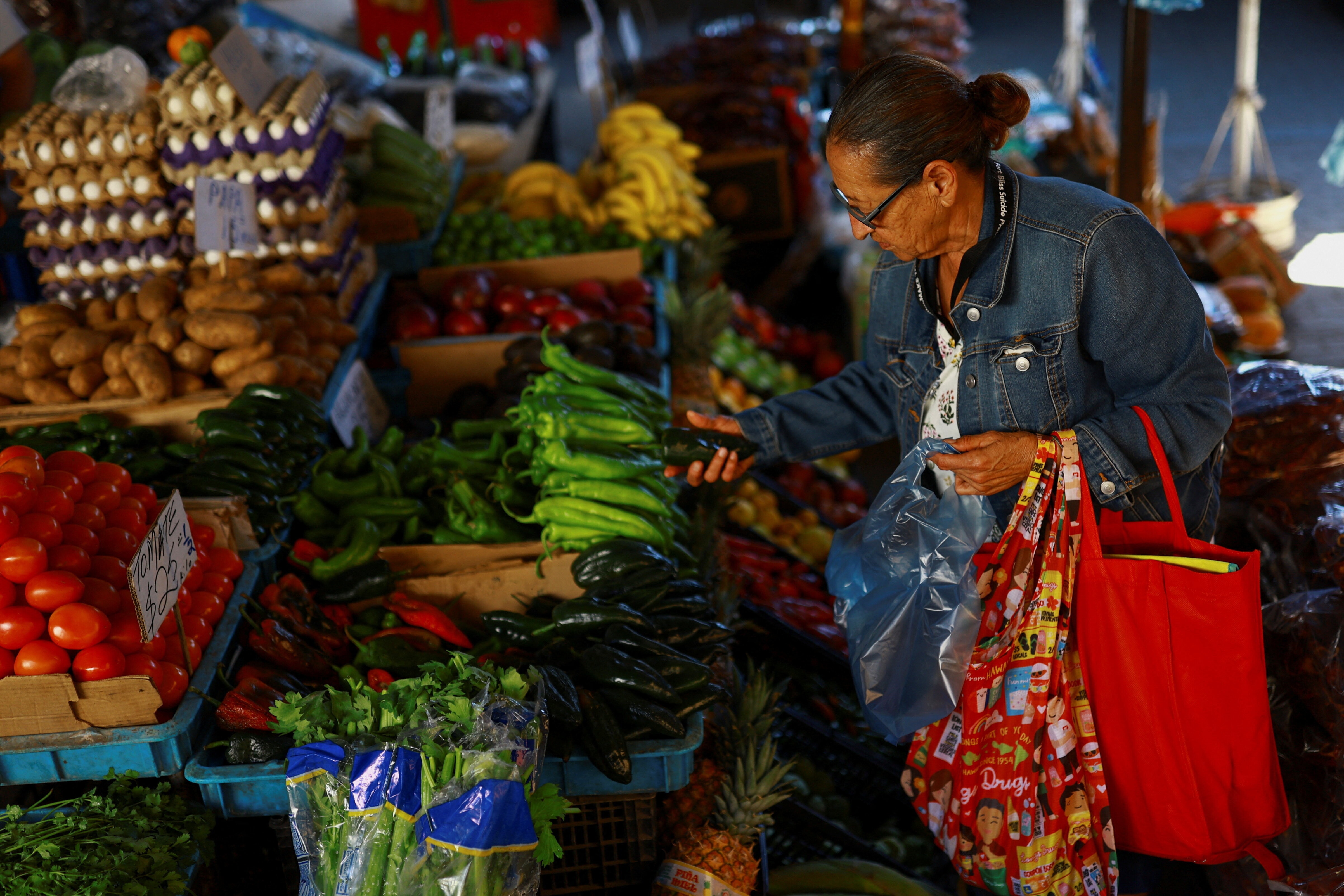
Despite that remarkable progress, 670 million people remain hungry, as food systems struggle to move food to all who need it. In a rapidly changing world, closing those gaps isn’t getting any easier. And feeding the future will be far more complex than simply producing more. It’ll challenge all of us to nourish the world better.
Because today, volatility is the norm. Climate disruption, trade fragmentation and geopolitical realignment are reshaping supply chains. Population growth is slowing sooner than expected and demographic shifts are altering global demand. Diets are getting more personal, shaped by income, health and identity. Meanwhile, artificial intelligence (AI) is accelerating everything.
3 ways we can ensure our food security
Even as food systems face these complexities, I’ve never been more optimistic about our ability to meet the challenges in front of us. We’ve never had better tools or partnerships to deliver meaningful solutions at scale, leaving no excuse.
However, business as usual won’t suffice. We need to prioritize solutions that help us move faster, think differently and keep food moving from the farms where it’s raised to those who need it most.
1. We need to invest in farmers and rural communities
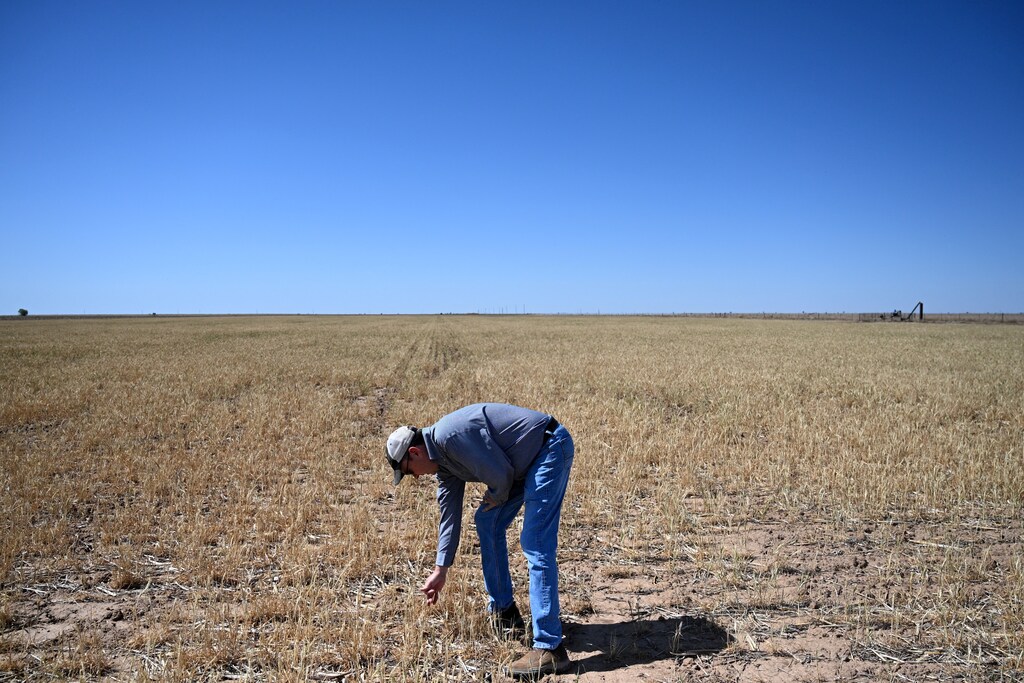
Every day, farmers operate around 600 million farms globally, making decisions that carry enormous consequences for their families and the food on our plates. Those decisions are only getting more complex as farmers navigate higher costs, tighter margins, unpredictable markets and increasing climate disruption.
Farmers shouldn’t have to tackle all that alone. They need partners who’ll listen to what they need, reliably connect them to markets and financing, make new technologies practical and accessible, and create economic conditions that reward their hard work. Because if we want a more resilient, food-secure world, farmers’ businesses and livelihoods must be resilient, too.
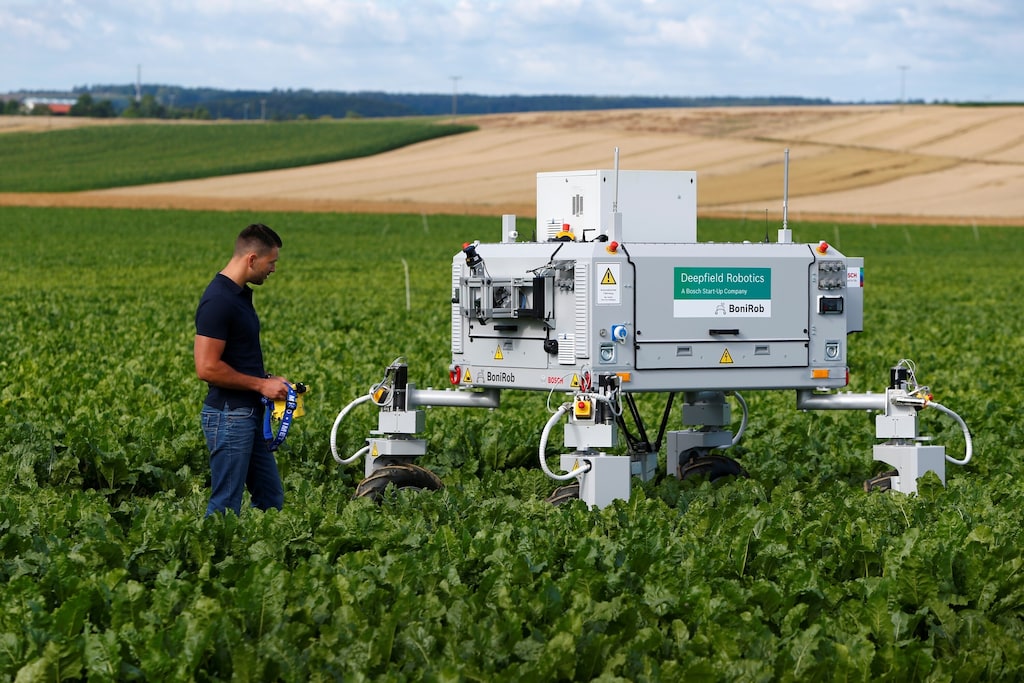
2. We need to embrace technologies that help make our food systems smarter
AI is one technology that is already helping farmers make more informed decisions, improving efficiency in ports and processing facilities and opening new possibilities for research and innovation.
Our US beef processing facilities are a prime example. Cargill is using AI to help our frontline teams work more safely, cut more efficiently and harvest more meat. In an industry that produces 27 billion pounds of beef annually, even a 1% yield improvement industry-wide could save hundreds of millions of pounds. And with US beef supply at a 75-year low, every ounce matters.
Efforts like these are delivering measurable efficiencies that make food systems better but they’ve only scratched the surface of what AI might unlock. Across food and agriculture, AI could generate an estimated $40-70 billion in annual productivity gains.
We think that’s possible and more. Because for the first time, the limiting factor in capturing our industry’s biggest opportunities isn’t technology, it’s our own appetite for change.
3. We need to build more resilient, adaptable supply chains
Today, 70% of food is sourced from just 15 countries. And although 6,000 plant species are cultivated for food, just nine crops account for 60% of global production. That concentration makes it clear how connected and vulnerable our food systems can be.
Food system resilience requires innovation in what we grow and how we source it. It requires stronger infrastructure, smarter use of natural resources, supply chains capable of adapting when disruption occurs and strengthening demand signals for a more resilient food future. It also means finding better ways to keep food moving.
For example, at Cargill, we introduced wind propulsion technology on bulk carriers and a new dual fuel fleet powered by green methanol that generates up to 70% fewer greenhouse gas emissions – moving food with fewer resources helps build stronger, more efficient food systems.
Collaboration must continue for a food secure world
Collaboration across sectors, geographies and disciplines is mission critical when it comes to achieving these aims.
That’s why I’m so optimistic – throughout my career, I’ve seen people come together across food and agriculture to solve difficult problems, including the cross-sector, collaborative work of the WEF’s Stewardship Board for Food Systems.
Farmers innovate, supply chains adapt and new technologies unlock possibilities we couldn’t have imagined before. Partnerships can turn good ideas into tangible progress.
Across our industry, I sense that optimism is broadly shared. With 40% of the world’s workforce dedicated to food and agriculture, there’s little we can’t achieve when we work together.