The COVID-19 pandemic has left an indelible mark on society, prompting significant shifts in various facets of life.
This has resulted in new trends in globalization and production supply chains and innovations in technology that are reshaping modern manufacturing, city structures and urban lifestyles.
Leveraging technology is paramount to creating sustainable and thriving communities within our rapidly evolving world.
In the wake of the COVID-19 pandemic, the acceleration of remote working has emphasised the importance of resilience and self-sufficiency. Consequently, a new trend in globalization has emerged, characterised by connected, modularised cities and independent capabilities in work and manufacturing and fostering information and knowledge sharing.
This trend places great emphasis on creating self-sustaining communities that can thrive, even in the face of global crises. Through advanced technologies, modularised cities establish interconnected networks that facilitate the efficient sharing of resources, expertise and services across different regions.
Supply chains under pressure
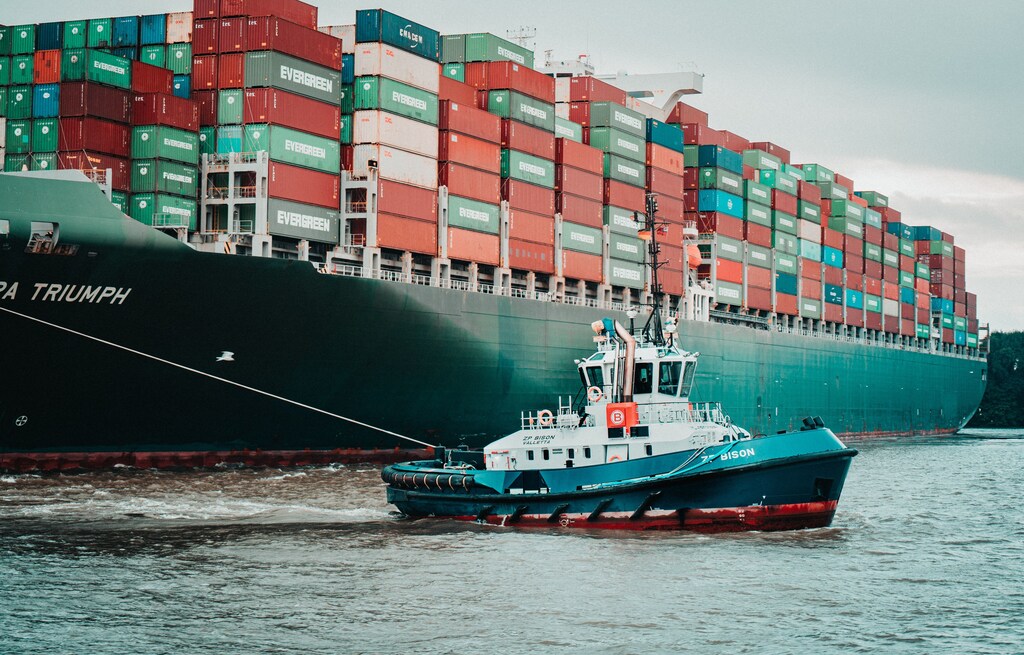
The pandemic laid bare the vulnerability of global supply chains, where disruptions in one part of the chain could reverberate throughout the entire production process. As countries became overly dependent on each other for specific components or raw materials, the supply chain resembled an assembly line of dominos, collapsing when a single link broke. This revelation underscored the pressing need for more resilient and diversified supply chains, capable of adapting to unforeseen circumstances, while minimising disruptions.
What is the World Economic Forum doing to promote sustainable urban development?
Cities are responsible for 75% of global greenhouse gas emissions and are home to over half of the world’s population—a number that will grow to two-thirds by 2050. By prioritizing cleaner energy, cities could contribute more than half of the emissions cuts needed to keep global warming to less than 2°c, which would be in line with the Paris Agreement.

To achieve net-zero and nature-positive cities and communities by 2050, the World Economic Forum is partnering with public and private sector stakeholders on initiatives that drive global ambition through local action. Here are just a few:
Davos Baukultur Alliance: Advancing high-quality planning, construction and management of buildings, infrastructure, and public spaces using principles based on climate resilience, sustainability and circularity in the built environment. Learn more.
Global New Mobility Coalition: Exploring new solutions to reduce congestion and emissions, enhance EV infrastructure and transform urban mobility and deliveries. Learn more.
Alliance for Urban Innovation: Connecting innovators and entrepreneurs to new markets and opportunities that reimagine and reshape quality of life and local economies. Learn more.
G20 Global Smart Cities Alliance: Accelerating intelligent, practical solutions to build climate resilience, enhance public well-being and tackle the most pressing challenges facing cities and local communities. Learn more.
Future of Travel and Tourism: Driving inclusive and sustainable economic growth while preserving cultural heritage and protecting natural ecosystems. Learn more..
Discover how you can be a part of our efforts to create more sustainable and livable cities and communities. Contact us here.
One of the most significant innovations reshaping modern supply chains and manufacturing is artificial intelligence (AI). Through technologies, such as machine learning and robotics, AI has made substantial strides in improving efficiency and productivity across manufacturing processes. Intelligent automation facilitates predictive maintenance, quality control and optimised production scheduling. By harnessing the power of AI, manufacturers can enhance their agility, flexibility and responsiveness, ultimately reducing costs and elevating customer satisfaction.
Advancements in robotics, the Internet of Things (IoT) and 3D printing have revolutionised manufacturing processes too, enabling customisation, accelerated production cycles and cost-effective production.

Smart city creation
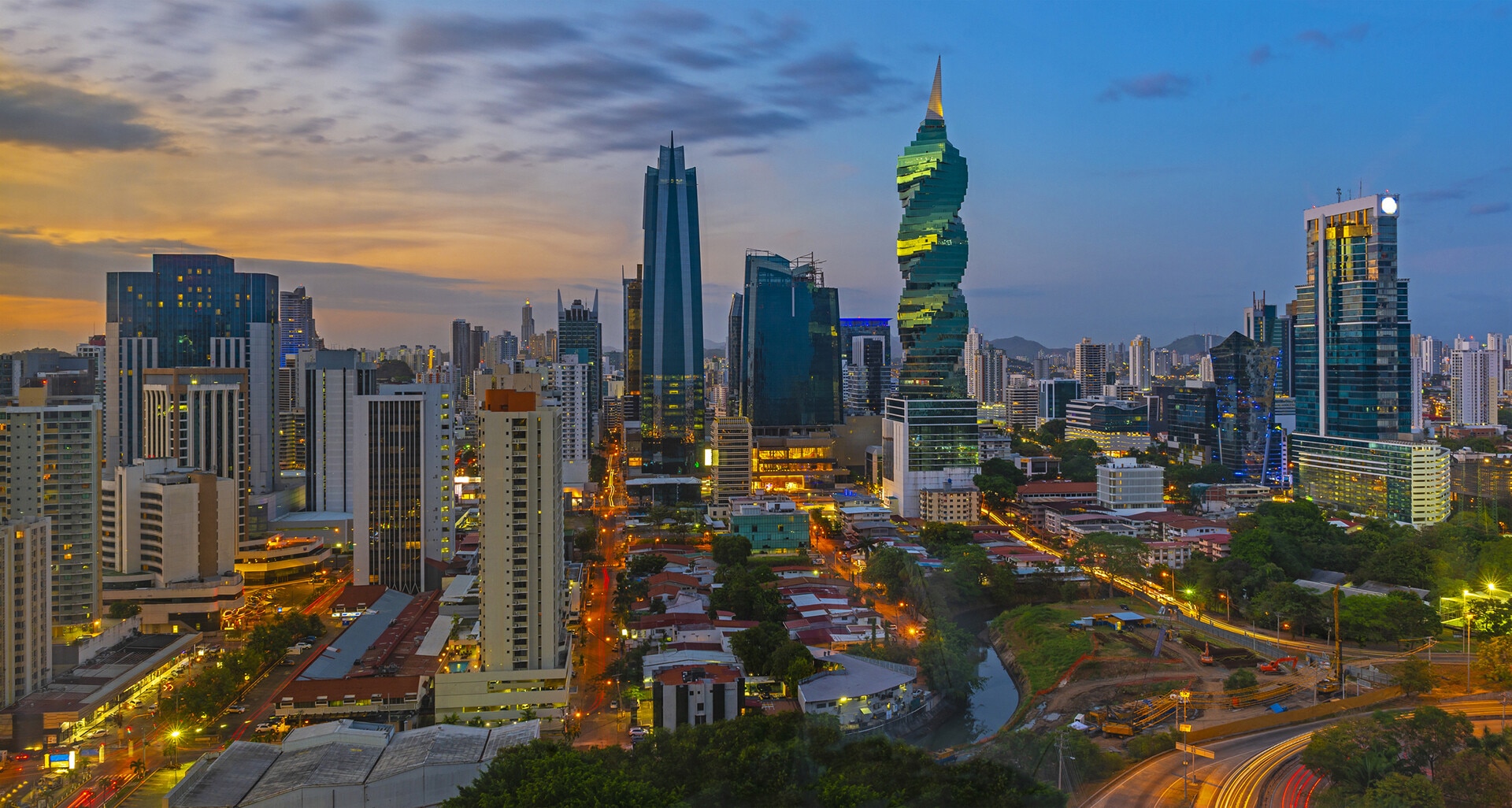
Technology is also empowering smart cities, optimising resource management, enhancing transportation systems and improving the overall quality of life. The integration of sensors, connectivity and data analytics transforms cities into more sustainable, efficient and livable spaces.
When it comes to the workplace, technology has empowered individuals with greater independence and flexibility. The proliferation of remote working and digital platforms has enabled people to work from anywhere, diminishing their dependence on physical office spaces and commuting. This paradigm shift has engendered a reimagination of urban lifestyles, characterised by well-designed living spaces, community engagement and a more harmonious work-life balance.
The post-pandemic era has engendered profound changes in lifestyle trends, particularly in the realms of globalization, manufacturing and urban living. This new trend in globalization emphasises self-sufficiency, while fostering interconnectedness through connected modularised cities. Supply chain disruptions have underscored the imperative of resilient and diversified production systems. Innovations in manufacturing, especially AI, are driving change by enhancing efficiency and productivity.
As we forge ahead, embracing these changes and leveraging technology will be paramount to creating sustainable and thriving communities within our rapidly evolving world.