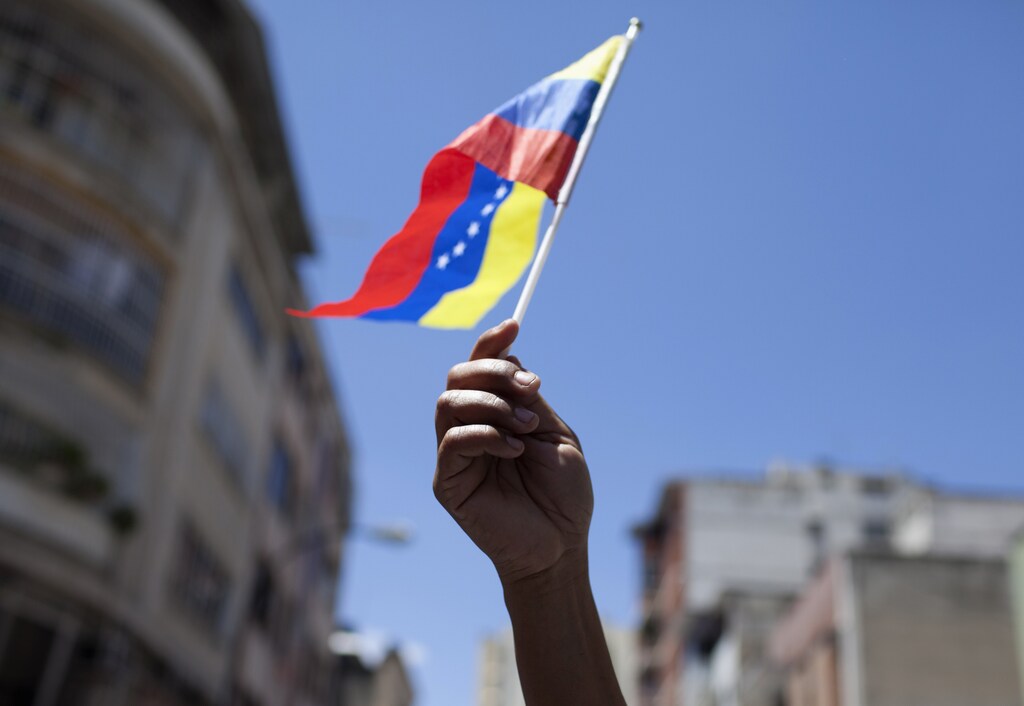
In historic elections at the end of 2015, Venezuela’s opposition party, the MUD, won what the BBC are calling a supermajority. It was the first major political shift in the legislative branch since former President Hugo Chávez came to power in 1999.
“Now begins the time for a change in Venezuela,” the MUD’s executive secretary told journalists. But since then, the situation in the country seems to be going from bad to worse. In the latest twist of events, a severe energy crisis has forced the government to introduce a two-day working week for public sector workers, in the hope of reducing energy consumption.
It's just the latest in a series of events that have left Venezuelans increasingly dissatisfied with the direction their country is taking. In fact, even before this latest crisis, a whopping 85% of Venezuelans were not happy with the way things were going, as this Pew chart shows.

The following four charts provide a snapshot of the situation in the country.
Boom and bust
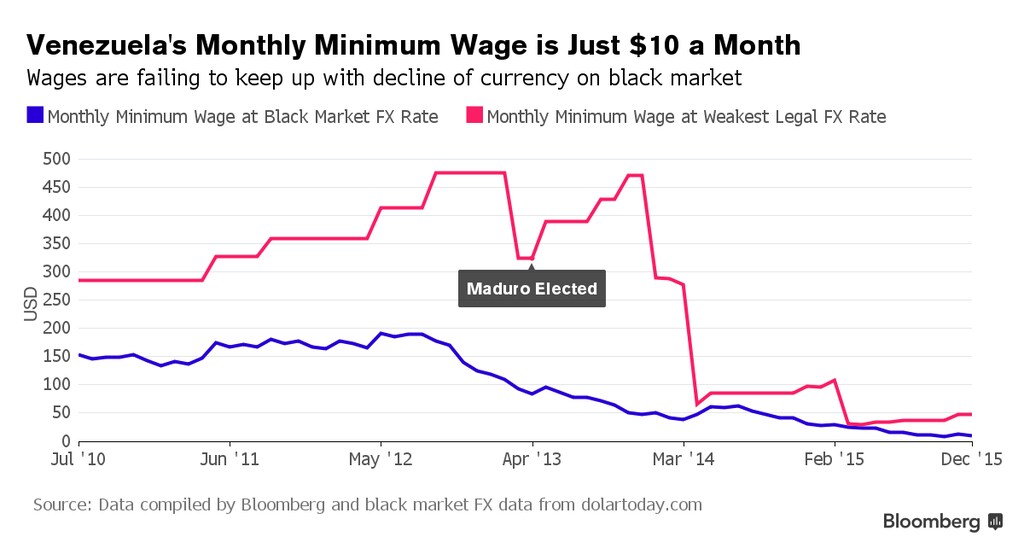
In the late 1970s, Venezuela was a Latin American success story, with one of the highest living standards in the region. Today, according to the World Bank, more than 25% of Venezuelans live below the poverty line. As this chart from Bloomberg shows, the situation looks even worse when you look at minimum wages based on the black market exchange rate.
Not worth the paper it’s written on
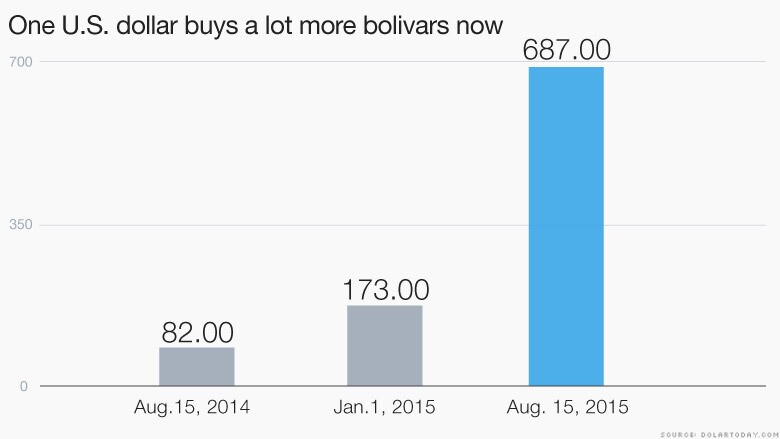
Inflation in Venezuela rose to 68% last year, and some economists are even predicting it might soon hit triple figures. For a country that imports 70% of its consumer products, including food, it’s making even the basics like toilet paper and milk unaffordable for many Venezuelans.
Trailing behind
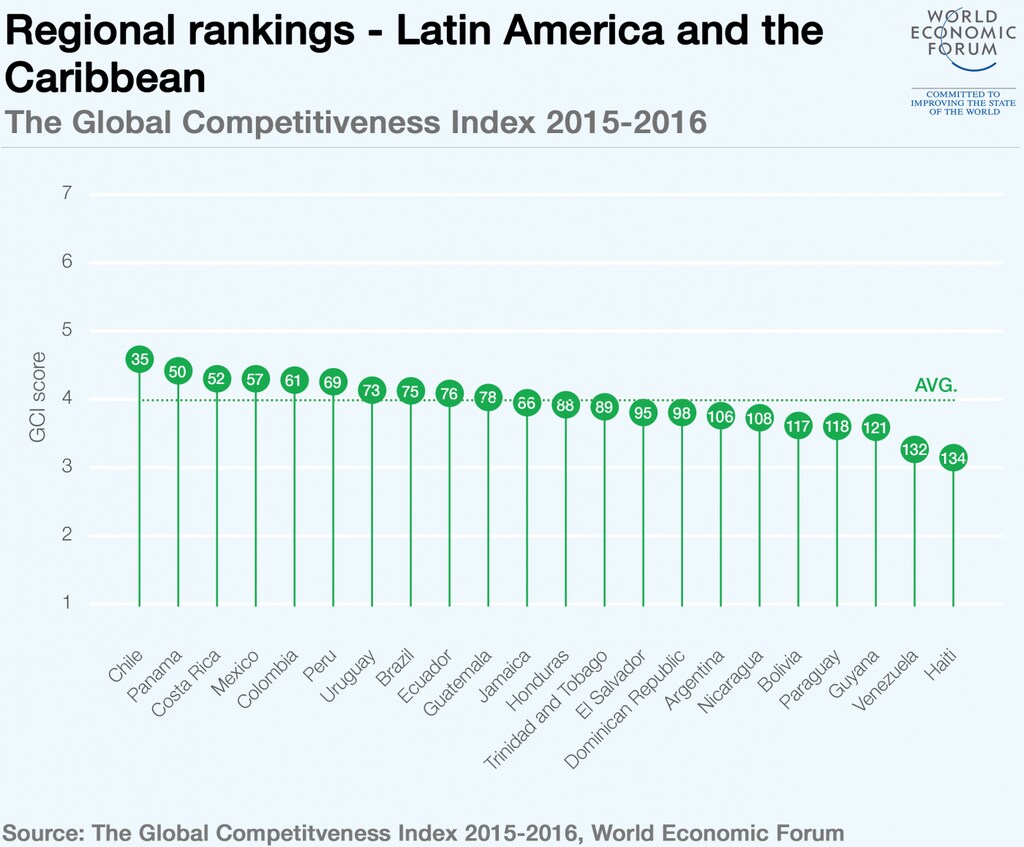
Venezuela is not only one of the least competitive countries in Latin America – it is also one of the worst performing globally, coming in at 132 out of the 140 economies that were assessed in this year’s Global Competitiveness Report. It finished last in the rankings for its labour market efficiency and its institutions.
Crime and punishment
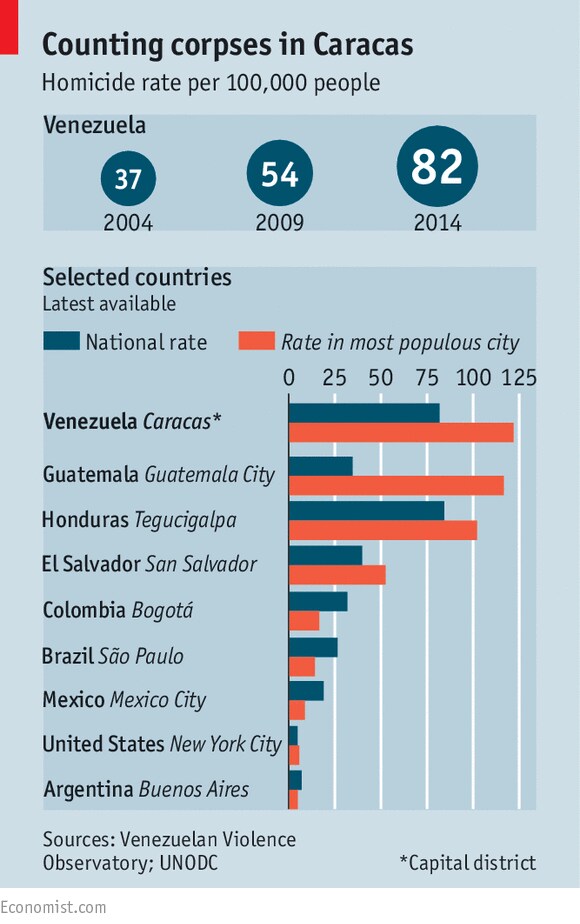
Under Chávez, the government stopped publishing full crime statistics. But according to figures from the Venezuela Violence Observatory, Venezuela’s homicide rate for 2014 stood at an incredible 82 per 100,00 people – more than10 times the global average – making the country one of the most violent in the world.
This article was updated on 27 April 2016
Have you read?
Three ways Latin America is fighting back
Which country is top for trade in Latin America?
Can Latin America weather the Latin American storm?