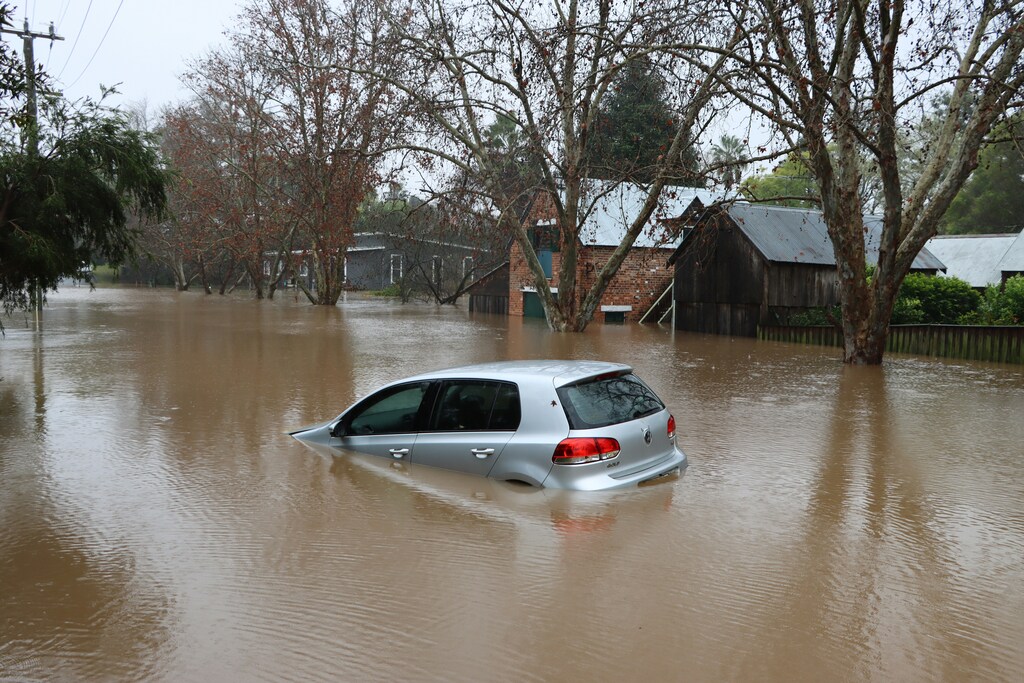
Insurance enables the financial costs of risk to be shared. But who pays for protection when premiums become unaffordable?
A house can stand for a century, but its insurance may be secured for only a year. People tend to build for the long term, while renewing protection on terms that can change. So, when that protection becomes unaffordable, the house and the risk both remain, but someone still has to pay.
In 2025, global insurance company Allianz warned of a widening divide: Insurers are covering more, but uninsured risk may grow faster as premiums priced to reflect that risk move beyond customers’ reach.
Insurance allows economies to share the financial cost of risk, but if cover becomes unaffordable or excludes losses, someone must absorb those costs. When this happens, the risk remains with households, businesses and governments.
Prevention, pricing that reflects risk and clearly defined government support can help maintain insurability, as Allianz argues, contributing to a more resilient economy.
What is at risk?
In Europe, only around a quarter of losses from extreme events were insured between 1980 and 2024. A December 2024 report by the European Central Bank and the bloc's insurance regulator also found that the share of low income consumers holding natural catastrophe property insurance had fallen from around 14% to 8% since 2022.
Coverage reflects exclusions, awareness and choice, as well as price. The fall in low-income coverage raises affordability concerns for the households that are least able to absorb a loss.
And affordability is only part of the protection gap. Climate change can bring unprecedented conditions, leaving exposure underestimated. For example, The London Climate Resilience Review, published in 2024, described how the city's 2022 heatwaves stretched water supplies, damaged roads and railways, and disrupted essential services.
Protection must start with recognizing what is at risk.
Retaining losses pushes up premiums
When insurers bear more disaster losses, some of that cost can reach households through higher premiums.
After the January 2025 Los Angeles wildfires, California’s insurer of last resort, the FAIR Plan, levied $1 billion on member insurers, with half of that recoverable from their policyholders subject to regulatory approval. By October 2025, regulators had approved more than $150 million in related surcharges on policyholders outside the FAIR Plan.
France lifted its property catastrophe surcharge from 12% to 20% by ministerial order from January 2025, and a Senate Finance Committee report warned that even that increase would not guarantee the scheme's long-term sustainability.
Insurers also buy protection against large losses. In 2023, reinsurers – the companies providing that protection – raised the amount insurers must absorb before a payout. According to Moody’s, this left insurers bearing most insured catastrophe losses over the past three years, potentially adding to the pressure on household premiums.
Insurance protection has a price
This issue of increasingly unaffordable cover is not simply due to a shortage of capital.
Global reinsurer capital reached a record $790 billion in March 2026. Funding from outside investors, including through catastrophe bonds, reached $144.5 billion by midyear. Catastrophe bond issuance totalled $24.9 billion in the 12 months to June 2026, as these products increasingly help to cover more frequent losses in areas where reinsurers have reduced their cover.
This brings additional funding to absorb insured losses, but it comes with conditions. Investors’ money is set aside to fund covered payouts, the protection lasts for a specified period, and investors expect a return for taking the risk. More funding does not guarantee affordable premiums. Insurers and investors still need estimates of how likely losses are and how large they could be so they can price cover.
Other forms of protection also have limits. Parametric insurance pays when a specified threshold is crossed, which may not match actual losses. For example, a farmer may lose crops to drought but receive no payout if rainfall over the insured period totals 55mm and the policy pays only below 50mm.

Backstops work but funding matters
Public backstops should make the cost of risk visible, fund protection in advance and tie support to prevention.
Spain provides a good example of this. By June 2026 its public insurance scheme had paid out €4.48 billion in relation to 2024 floods that hit the country, predominantly in Valencia. It drew on reserves built in advance through a surcharge on eligible policies, without requiring financial support from the government or an increase in the scheme's surcharges.
But funding alone is not enough. Public support that repeatedly pays for rebuilding without reducing exposure can weaken incentives to move or adapt. Backstops should protect people while helping prevent the next loss.
A Natural Resources Defense Council analysis of insurance records through the end of 2022 found that severe repetitive loss properties made up less than 1% of those covered by the US National Flood Insurance Program, but accounted for about 10% of its claims payments. These properties had flooded five times each on average.
The programme still owed $22.5 billion in March 2026. Congress cancelled $16 billion of debt in 2017, shifting the cost of that cancellation to the federal government. Such decisions make insurance a fiscal policy with consequences for future generations.
Who pays for the risks we build?
Recognizing risk is only the beginning. Acting on it determines who ultimately pays.
This requires looking beyond historical losses. Risk models should combine climate projections with information about local buildings and their vulnerability. Governments should publish the disaster costs they may have to meet alongside sovereign debt. They should also set review and expiry dates for subsidies, tie support to prevention and define scheme limits before disaster strikes.
Prevention can change the outcome. More than €2 billion was invested in flood protection after a flood in Hamburg in 1962. A 2016 study reported nine subsequent higher Elbe River levels without significant losses.
Risk must be recognized early enough to reduce it and keep protection within households’ financial reach. Insurance and public support can help absorb losses, but they cannot substitute for that work. Otherwise, today’s homes are made viable by passing their costs to tomorrow’s taxpayers.
A resilient economy begins with knowing the exposures, reducing them as much as possible and then deciding openly who pays for what remains.