This daily roundup brings you a selection of the latest news updates on the COVID-19 coronavirus pandemic, as well as tips and tools to help you stay informed and protected.
Today's big stories: Worldwide cases top 3 million; Australia begins to reopen; WHO warns countries to stay vigilant; and three of Europe's hardest-hit nations prepare to lift restrictions.
1. How COVID-19 is affecting the globe
Confirmed cases of coronavirus have topped 3 million worldwide, according to the latest figures from Johns Hopkins University. Over 210,000 people are known to have died from the virus. More than 890,000 have recovered.
Australia begins to lift lockdown, as millions download virus tracker.
More US states ease lockdown restrictions, as White House promises more testing.
British Prime Minister Boris Johnson says it is too soon for UK to exit lockdown.
2. Given COVID-19's unknowns, vigilance is key: WHO briefing
Early results from seroepidemiology data have begun to show the extent of the infection in people who may have been missed by surveillance measures, Dr Maria Van Kerkhove, a World Health Organization (WHO) Technical Lead, said at a briefing in Geneva Monday. This tool is helping experts detect antibody levels in those individuals, she said.
The results currently available suggest that there are many more people the disease can infect, said Van Kerkhove, making it all the more important that communities remain vigilant when it comes to identifying cases and stamping them out.
“It's important that we understand at this point in time, four months into a global pandemic, a large proportion of the population still remains susceptible", said Van Kerkhove.
3. Why Malaria could make a comeback thanks to COVID-19
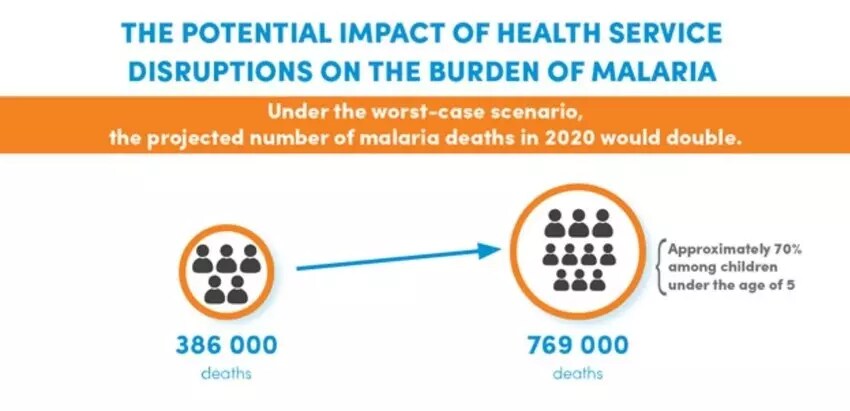
As vaccination programs for other diseases have been postponed or disrupted as result of the focus on mitigating the coronavirus pandemic, the WHO warned the number of deaths from malaria could double in hot spots like sub-Saharan Africa this year.
4. Three of the world's hardest-hit nations prepare to ease restrictions
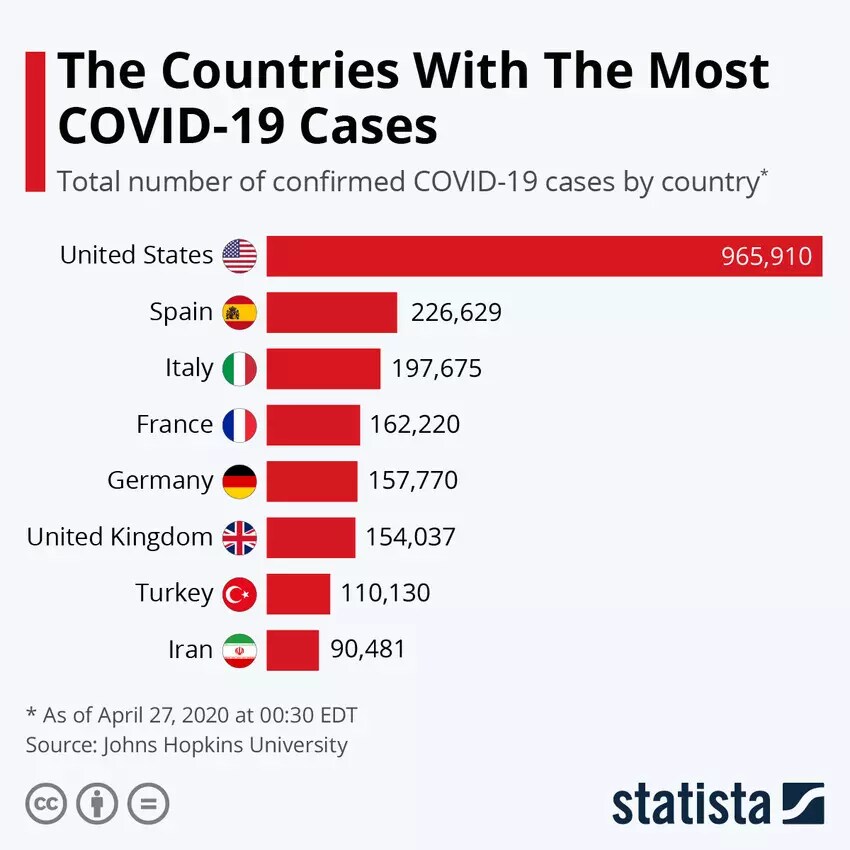
Spain, Italy and France - the countries with the highest number of confirmed coronavirus cases after the US - have announced plans for cautious and gradual exits from their lockdowns. As the number of new infections continues to fall, this is how each country is preparing to lift restrictions.