This daily roundup brings you a selection of the latest news updates on the COVID-19 coronavirus pandemic, as well as tips and tools to help you stay informed and protected.
Today's headlines: A third of COVID-19 patients have reported neurological symptoms; What sport could look like after lockdown.
1. How COVID-19 is impacting the globe
Confirmed coronavirus cases have surpassed 4.1 million worldwide, according to Johns Hopkins University. More than 286,000 people have died from the virus, while over 1.4 million have recovered.
US death toll tops 80,000.
Carbon emissions in India drop for the first time in four decades.
Spain to enact two-week quarantine for international visitors.
Paris bans alcohol along the Seine to control post-lockdown crowds.
2. A third of COVID-19 patients have reported neurological symptoms
COVID-19 is a serious disease and causes a wide range of problems from gastrointestinal disease (diarrhoea and nausea) to heart damage and blood clotting disorders. As one virologist pointed out for Agenda this week, it can also cause neurological symptoms in some patients.
Some patients have experienced brain inflammation or even stroke. According to other reports, COVID-19 patients have suffered from Guillain–Barré syndrome, a neurological disorder where the immune system mistakenly attacks nerve cells, resulting in muscle weakness and eventual paralysis.
While more research is needed, these symptoms drive home the importance of taking this disease and its long-term effects seriously. Virologist Jeremy Rossman said this information also "highlights the continued importance of preventing viral transmission and identifying those who are, and have been, infected."
3. How coronavirus could reshape our cities forever
Public areas and urban environments could be transformed by coronavirus, according to a Reuters article. Social distancing could create green mazes in public parks while cities could be designed to be more compact to ensure that residents can access goods and services more easily.
"We are in a very experimental stage," said architect Harm Timmermans. "There will be a lot of trial and error, but the notion of the local will definitely be very important."

4. What sport could look like after COVID-19 lockdowns
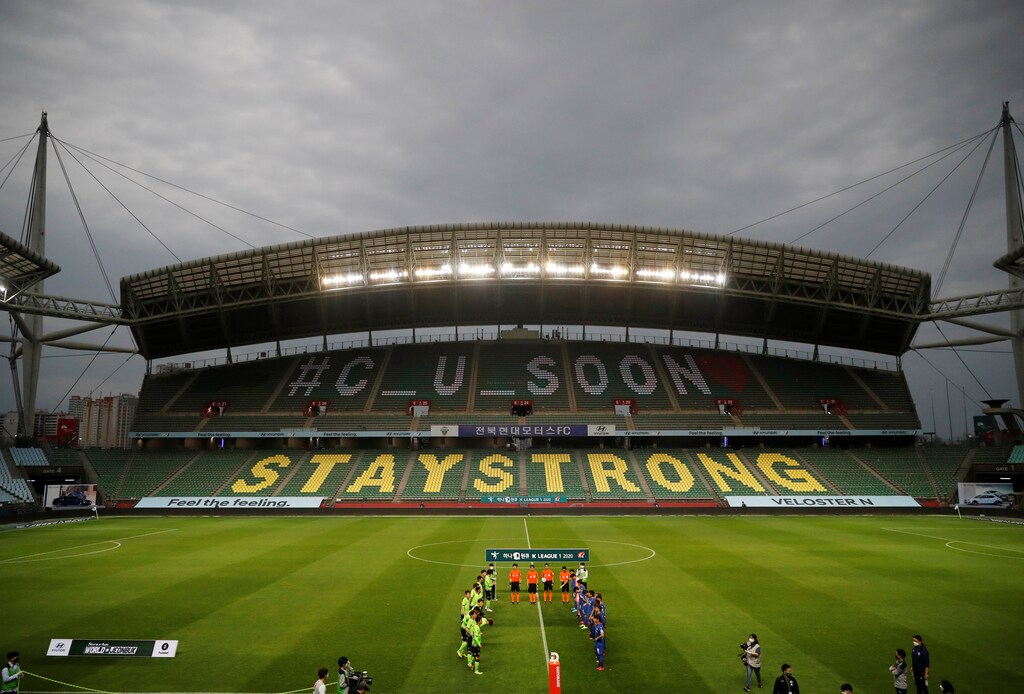
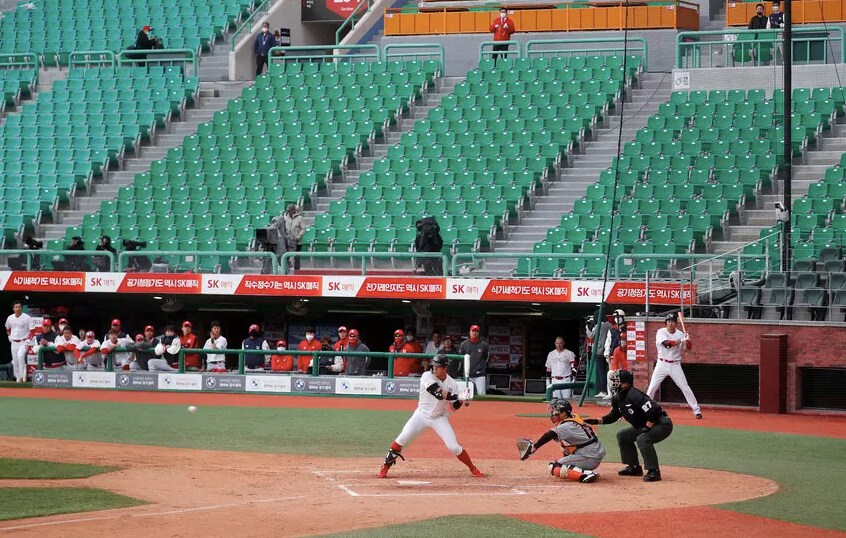
Baseball and soccer have returned to South Korea and the measures taken there can provide a glimpse into what might be needed to resume other sports in the months ahead. These might include barely-filled stadiums, crowd noise pumped in through loud speakers, and athletes that trade handshakes for fist bumps.
Truly safe mass events will need something else: a contained virus. South Korea is one of the first countries to contain COVID-19 and other countries will need to follow suit or risk future outbreaks.
5. Here are 10 tips to help you focus while working from home
Has working from home left you exhausted? You're not alone, explained one expert for the Conversation this week. The self-control needed to manage the demands of working from home can deplete both your mental and physical energies. Finding ways to detach yourself from work can help you you get back on track.
Develop easy routines - like a coffee to start the day - that you can keep to naturally and without effort.
If possible, try to work in a different space than where you spend the rest of your time.
Divvy up responsibilities for child and pet care.
Find activities after work that absorb you completely - and keep you off email.