This daily round-up brings you a selection of the latest news updates on the COVID-19 coronavirus pandemic, as well as tips and tools to help you stay informed and protected.
Today's top stories: 3 in 4 new cases in Spain diagnosed in just 2 cities. Chile announces free life insurance for healthworkers.
1. How COVID-19 is affecting the globe
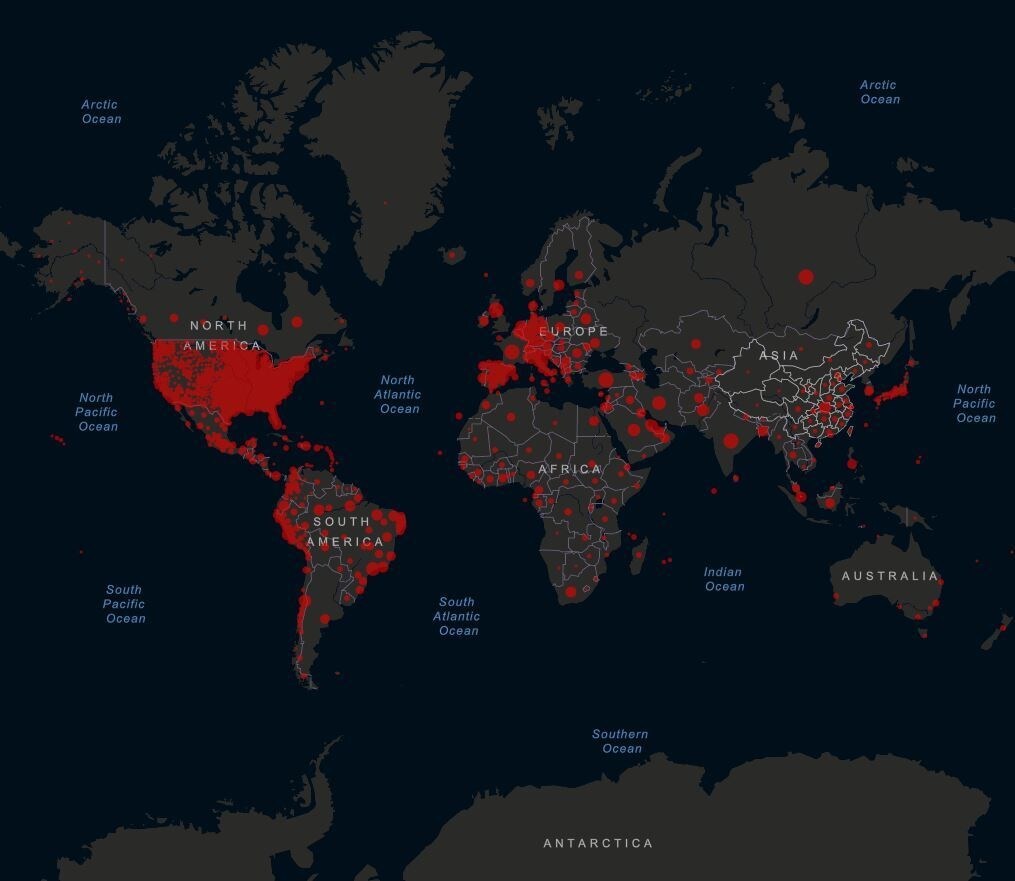
Confirmed coronavirus cases have surpassed 5.8 million worldwide, according to Johns Hopkins University. More than 360,000 people have died from the virus, while over 2.4 million have recovered.
Chile announces free life insurance for healthworkers.
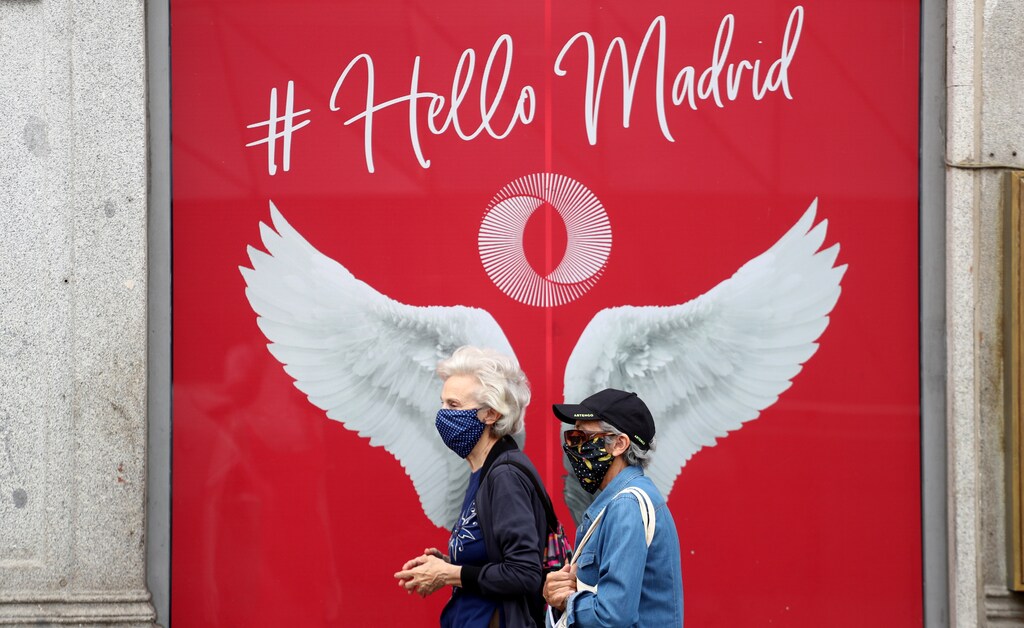
3 in 4 new cases in Spain diagnosed in just 2 cities.
As many countries cautiously lift lockdowns, this interactive graphic explains what has changed.
2. The world is far from achieving herd immunity
An article in the New York Times reported that while global case numbers have risen steadily since December, infections are below what's needed for herd immunity. According to their review of a number of studies, "The vast majority of people still remain vulnerable to the virus."
3. How AI and machine learning are helping to fight COVID-19
Machine learning technology is playing a key role in helping people and commerce adjust to the changes wrought by coronavirus, wrote Amazon's Web Services Swami Sivasubramanian in this week's Agenda. Among the unique ways it's being leveraged:
Chatbots that distribute health information to the public (relieving strains on hospitals).
An AI-based predictive COVID vulnerability index that identifies people most at-risk of severe complications from COVID-19.
A crop-monitoring solution that assesses satellite images of crops and flags issues to farmers and retailers to better manage food supplies
4. 5 questions for better cybersecurity conversations
Cyber risks are growing under COVID-19. To foster better conversations between business leaders and Chief Information Security Officers (CISOs), Charles Blauner suggested these key questions that tech leaders should be asking:
Have roles and responsibilities related to cybersecurity been clearly defined and communicated at every level of the organization up to the CEO and Board?
Do business leaders understand the cybersecurity risks they are accepting?
Are technology solutions designed, integrated and operated with security and privacy in mind?
Does the business incentivize the adoption of secure-by-design and default practices on the businesses and products in which it invests?
Are third-party risks managed effectively?
5.