This daily round-up brings you a selection of the latest news updates on the COVID-19 coronavirus pandemic, as well as tips and tools to help you stay informed and protected.
Today's headlines: Global Vaccine Summit raises $8.8 billion to vaccinate the poor. Brazil and Mexico report record daily deaths. 5.2% of Spain's population could have COVID-19 antibodies.
1. How COVID-19 is affecting the globe
Confirmed coronavirus cases have surpassed 6.6 million worldwide, according to Johns Hopkins University. More than 391,000 people have died from the virus, while over 2.8 million have recovered.
George Floyd had tested positive for COVID-19 weeks before his death.
Global Vaccine Summit raises $8.8 billion to vaccinate the poor.
Brazil and Mexico report record daily deaths.
New York State governor urges protesters to COVID-19 tests.
CDC forecast predicts US deaths could hit 127,000 by June 27.
5.2% of Spain's population could have COVID-19 antibodies: Study.
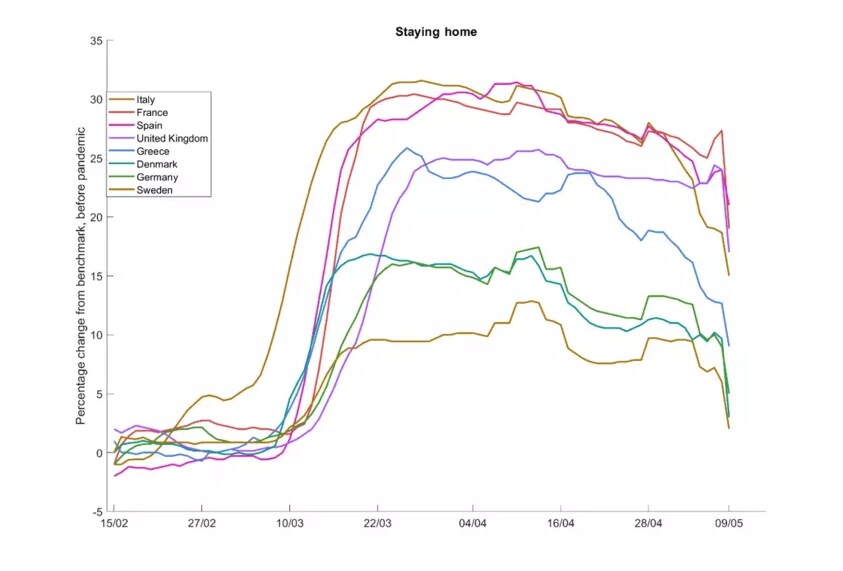
2. Mobile data shows which European countries took lockdown seriously
Google has released data on people’s movements during lockdown, according to an article published recently in The Conversation. The data was gathered from millions of mobile devices that use its software (Android, Google Maps and so on) and provides a never-before-seen look at how populations move during a pandemic. According to the data, lockdowns didn't always impact people's behaviour, especially as lockdown fatigue set in or as infection rates stabilized. As some countries could be facing a second wave, understanding how people reacted to different measures could help countries design methods that fit best for their specific needs and populations.
3. Why COVID-19 lockdown hits working mothers harder than fathers
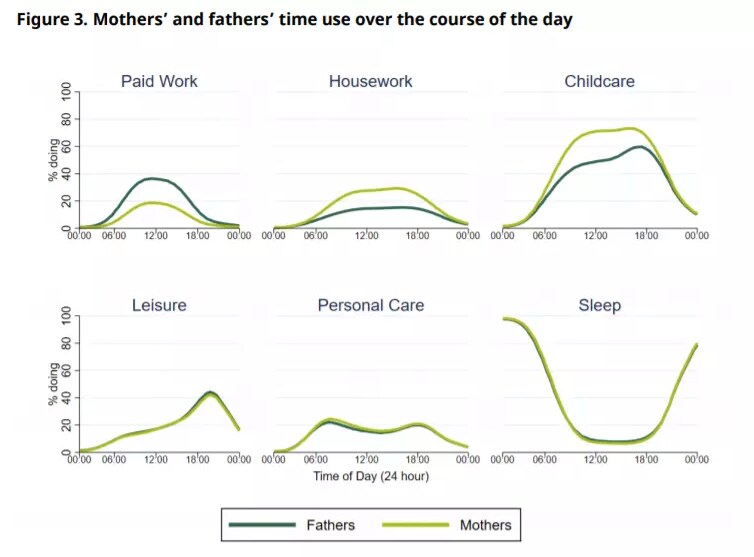
New research from the Institute for Fiscal Studies (IFS) finds that COVID-19 has impacted the amount of hours UK working mothers can actually spend doing paid work. Their working hours have fallen, according to an article published this week in Agenda, and they spend more time on childcare than working fathers. A reduction in time spent on paid work could have lasting impacts on women's careers after the pandemic ends, said the IFS.
4. The Great Reset - this week's World Vs Virus podcast
This week's World Vs Virus focuses entirely to the launch of the Great Reset - a project from the World Economic Forum designed to bring the world's best minds together to seek a better, fairer, greener, healthier planet as it rebuild from the pandemic.
This week's episode features a range of voices from leaders from around the world including: HRH The Prince of Wales, IMF chief Kristalina Georgieva, labour representative Sharan Burrow and the chief executives of Microsoft, MasterCard and BP.
Find all previous episodes of World Vs Virus here.
Subscribe on Apple, Soundcloud or Spotify.