In this round-up, find coronavirus news updates, tips and tools to help you stay informed and protected.
US weekly jobless claims hit record once again
Top stories: How South Korea contained COVID-19, how the tourism industry has been impacted and why WHO officials are "deeply concerned."
1. US unemployment claims soar to new record high
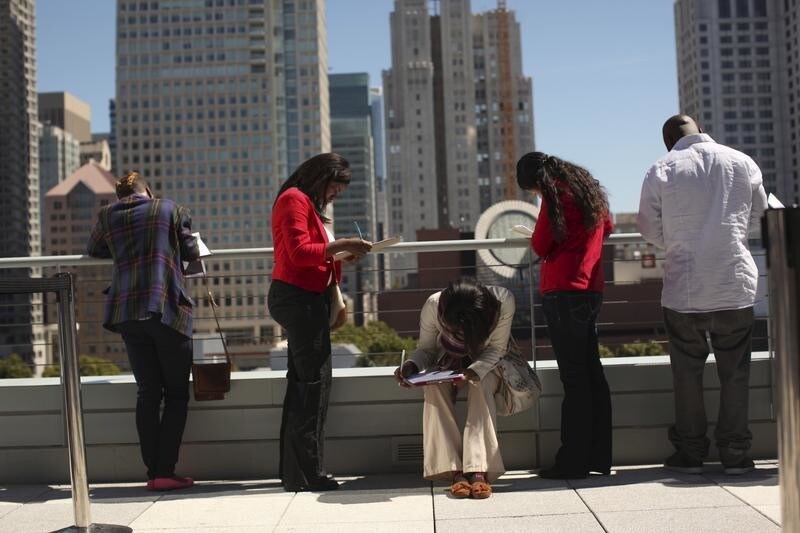
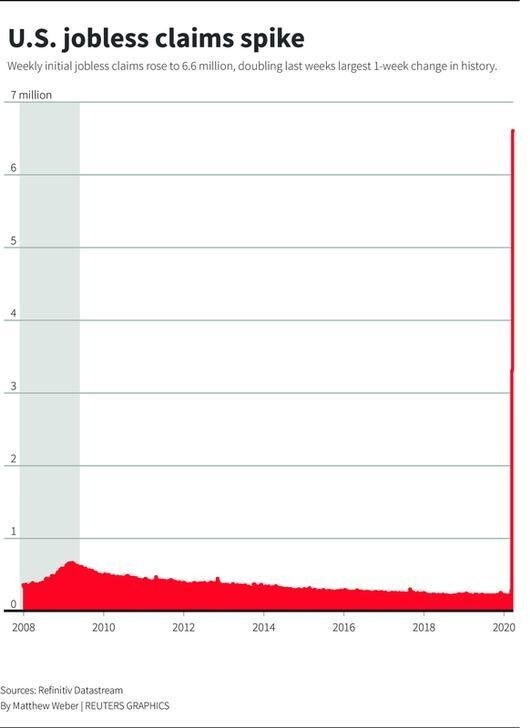
In a further sign that the COVID-19 pandemic is an economic emergency, not just a public health crisis, figures released today show that the number of people in the US filing for unemployment benefits surged to a record high for the second week in a row.
Jobless claims rose to 6.65 million, up from 3.3 million the previous week, the US Labor Department announced.
The latest figures mean that more Americans have filed for unemployment in the last two weeks than filed in the last six months.
Elsewhere, the latest figures from Spain, which already had one of the euro zone's highest unemployment rates, was similarly bleak. Spain has cut almost 900,000 jobs since it imposed strict measures to fight coronavirus, the highest monthly rise in unemployment ever recorded in the country.
2. How COVID-19 is impacting the globe
More than 42,000 people have died worldwide, with more than 911,000 cases of infection, according to Johns Hopkins University. More than 191,000 people have recovered from COVID-19.
The death toll in Iran passes 3,000.
Wimbledon was cancelled for the first time since the Second World War.
3. Why WHO officials are 'deeply concerned'
Officials at a World Health Organization briefing Wednesday said they were deeply concerned, noting that confirmed cases have now been reported in nearly every country, territory and area.
"The number of deaths has more than doubled in the past week,” said Dr Tedros Adhanom Ghebreyesus, Director-General. “In the next few days we will reach 1 million confirmed."
The Director-General noted that fighting this new virus and the world's first ever first-ever pandemic caused by a coronavirus will take continued resolve. “We have to stand in unison to fight this dangerous virus."
4. How South Korea contained COVID-19
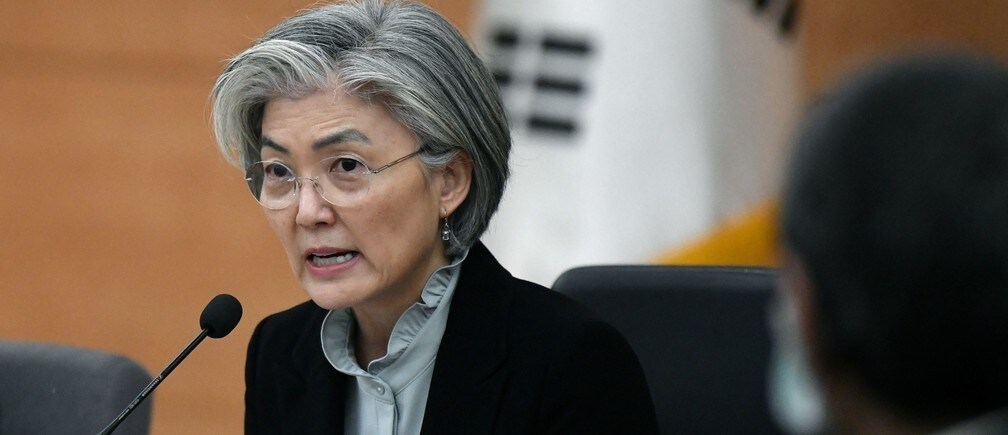
A multi-prong approach was key, explained South Korean Foreign Minister Kang Kyung-wha at a recent virtual World Economic Forum COVID Task Force meeting. The country worked quickly and identified "super spreaders," those who pass the virus to multiple people. Key, however, was taking an all-government approach, mobilizing government ministries as well as regional and city governments. That strategy paid off, especially when it came to limited health care resources.
“When one region ran out of hospital beds we asked other provinces to open up beds in their hospitals," she said. "When it ran out of doctors, we asked doctors in other regions to help."
5. How COVID-19 is impacting air traffic
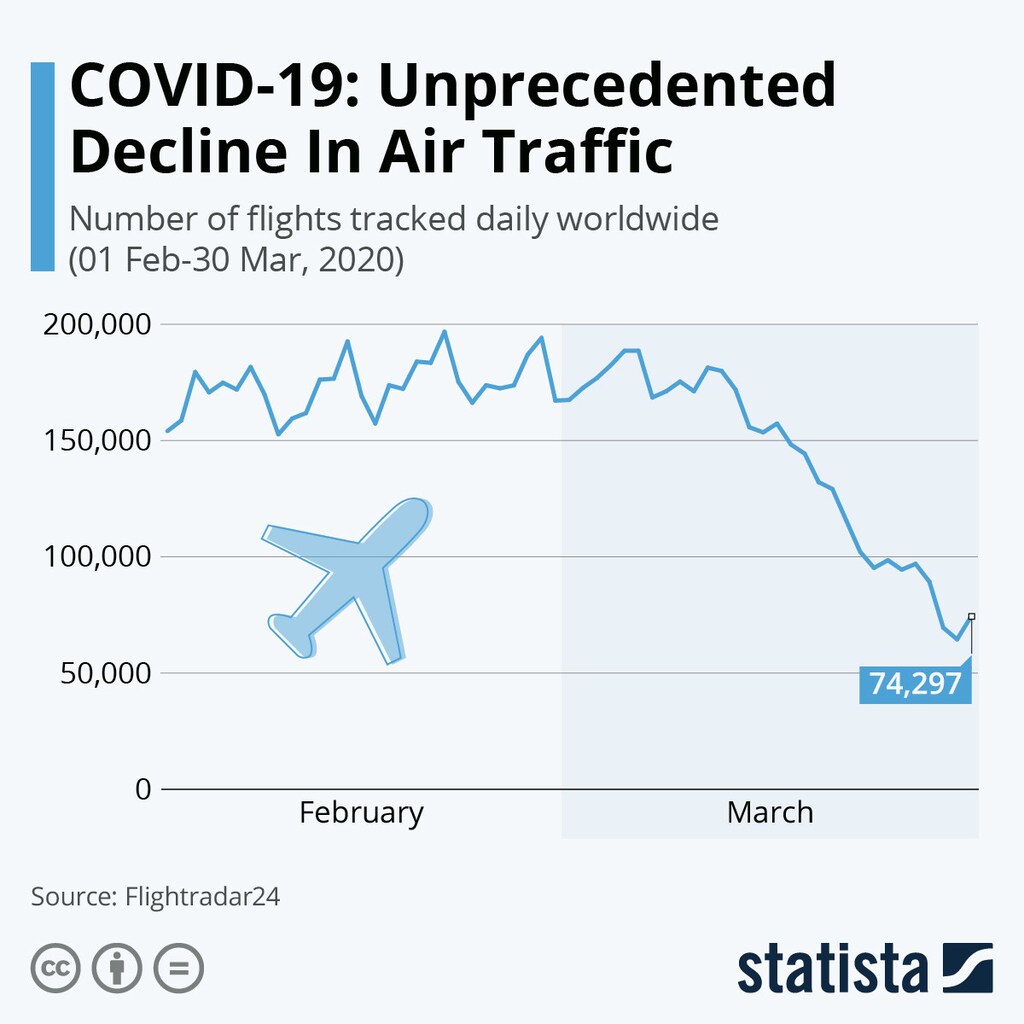
The number of daily flights around the world has decreased significantly due to the COVID-19 pandemic. Flight tracking data from website Flightradar24 shows 196,756 flights were tracked on 21 February and just 64,522 on 29 March, a drop of around 67%
6. How COVID-19 compares to seasonal flu, and why you should take it seriously
COVID-19 and influenza vary drastically in a number of ways. Regarding severity, according to the WHO (based on the current available data), 80% of COVID-19 infections are mild or asymptomatic, 15% are severe (requiring oxygen) and 5% are critical (requiring ventilation). These figures are considerably higher than what is typically observed in flu.
COVID-19 is also more deadly than seasonal influenza. The crude mortality rate for COVID-19, based on confirmed cases to date, is currently estimated by the WHO to be between 3-4%, with seasonal influenza sitting well below 0.1%