This daily round-up brings you a selection of the latest news updates on the COVID-19 coronavirus pandemic, as well as tips and tools to help you stay informed and protected.
Today's top stories: WHO warns of second COVID-19 peak; trial of hydroxycholoroquine suspended; rights group warns of impact on children; and how to stay safe while flying.
1. How COVID-19 is affecting the globe
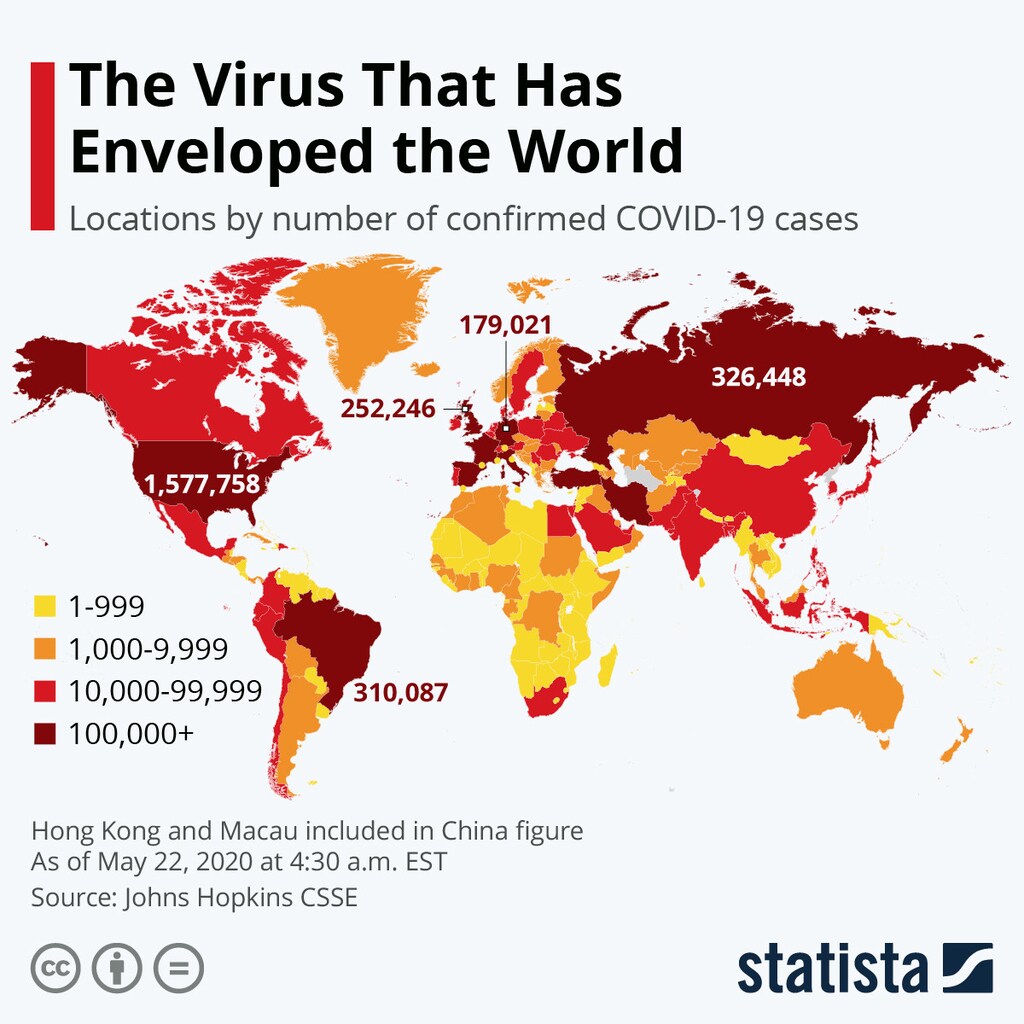
Confirmed coronavirus cases have reached 5.5 million worldwide, according to Johns Hopkins University. More than 345,000 people have died from the virus, while over 2 million have recovered.
The pandemic will have a “disastrous” impact on children’s rights worldwide, says rights group.
Countries where coronavirus infections are declining could still face an “immediate second peak” if they let up too soon on measures to halt the outbreak, the World Health Organization (WHO) warned on Monday.
Dr Michael J. Ryan, Chief Executive Director of the WHO Health Emergencies Programme said that while many cases are declining in some countries, they are still increasing in Central and South America, South Asia and Africa.
Epidemics often come in waves, Ryan said, and outbreaks could come back later this year in places where the first wave has subsided. There was also a chance that infection rates could rise again more quickly if measures to halt the first wave were lifted too soon.
“When we speak about a second wave classically what we often mean is there will be a first wave of the disease by itself, and then it recurs months later. And that may be a reality for many countries in a number of months’ time,” Ryan said.
3. Hydroxycholoroquine trial suspended
The WHO has suspended testing of the malaria drug hydroxychloroquine in COVID-19 patients due to safety concerns.
On 22 May, The Lancet published an observational study on the drugs hydroxycholoroquine and chloraquine, namely on their effects on hospital patients suffering from the novel coronavirus. The authors estimated a "higher mortality rate" among patients receiving the drug, with risk of death increasing by 34% and serious heart arrhythmias by 137%.
In the meantime, a group of participants in the WHO's Solidarity Trial announced that until they can evaluate the drug's potential harms and benefits, they would place a "temporary pause" of the hydroxychloroquine section of the trial, while the data is reviewed by the Data Safety Monitoring Board.
"I wish to reiterate that these drugs are accepted as generally safe for use in patients with autoimmune diseases or malaria," WHO Director-General Dr Tedros Adhanom Ghebreyesus said during an online briefing on Monday.
4. How to stay safe while flying
With lockdown restrictions beginning to ease in some countries, many people are starting to ask when they can travel again. Typically, this means getting on a plane.
But is it safe, and how can you make the experience as safe as possible?
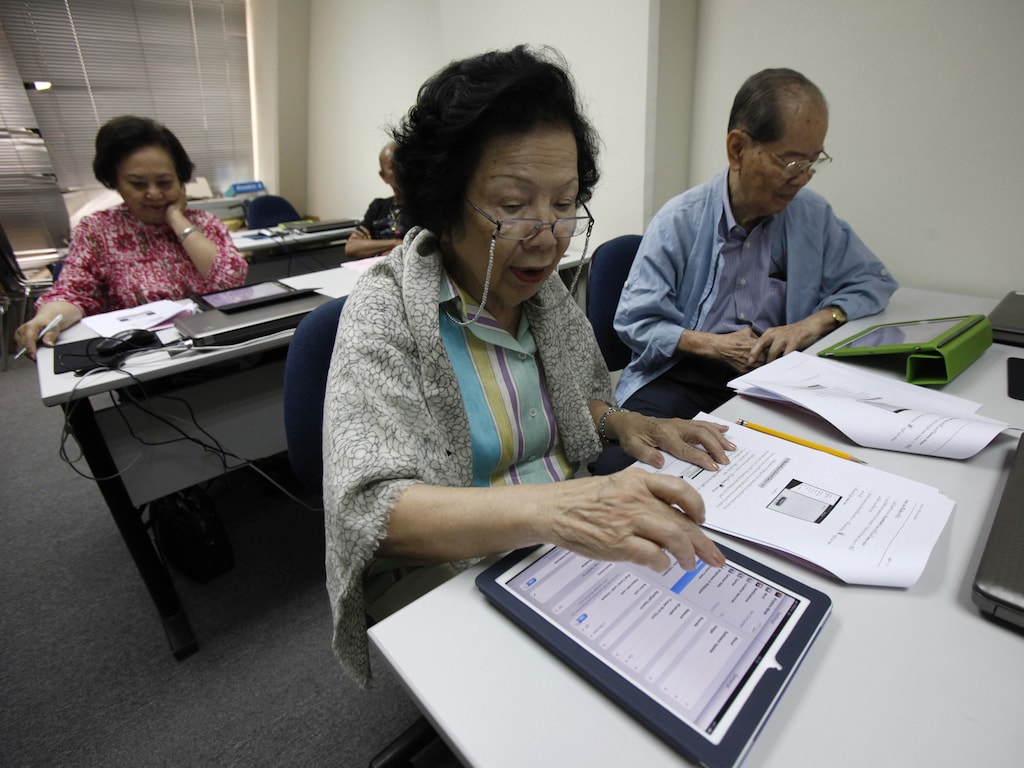
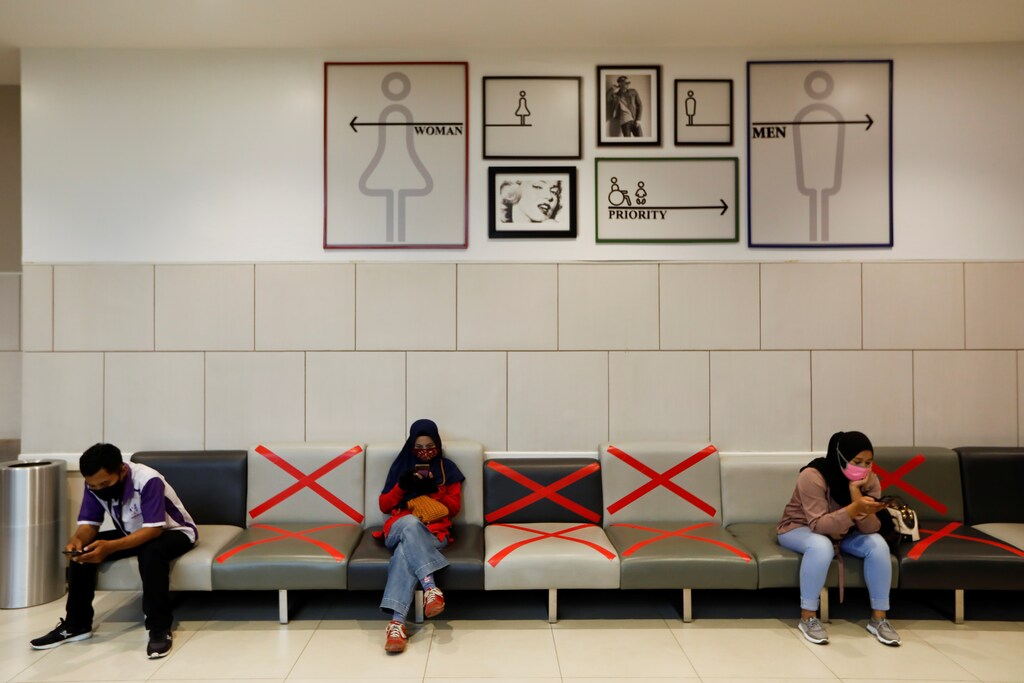
In this article, an epidemiologist and an exposure scientist walk you through how to minimize the risk of exposure to COVID-19 during air travel.
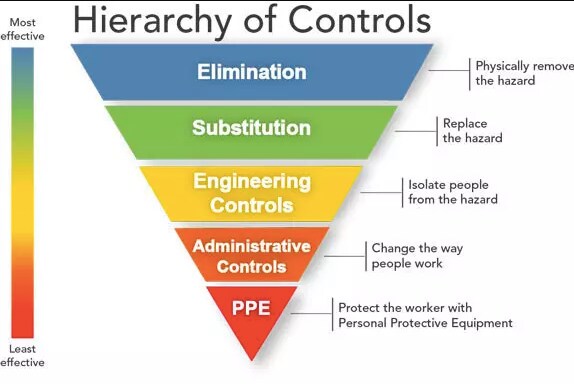
As well as using simple hygiene tips and arming yourself with specific knowledge about your airport and flight, they advise adopting a method called a "Heirarchy of Control" - a strategy often used by healthcare professionals.
"This approach does two things," the authors write. "It focuses on strategies to control exposures close to the source. Second, it minimizes how much you have to rely on individual human behavior to control exposure. It’s important to remember you may be infectious and everyone around you may also be infectious."