This monthly roundup brings you the latest global health and wellbeing news and research.
Top health and wellbeing news: Monkeypox not yet a global health emergency, says WHO; More cases of severe hepatitis reported in young children; Africa aims to boost vaccine self-sufficiency.
1. The latest health news
The World Health Organization said on 25 June that monkeypox is not yet a global health emergency. However, Director-General Dr Tedros Adhanom Ghebreyesus said he was "deeply concerned" about the outbreak. It comes as more than 3,000 cases have been confirmed globally as part of the current outbreak.
As of 24 June, 33 countries had reported 920 probable cases of severe acute hepatitis in children, the WHO reported. Around the world, health authorities have been investigating an unexplained rise in severe cases of hepatitis in young children.
Flooding in Bangladesh has left 3.5 million children in urgent need of clean drinking water, UNICEF warned late last week.
In mid-June, the EU's disease prevention agency warned about the risk of two new subvariants of the Omicron COVID-19 variant.
GSK and Novartis have outlined commitments to invest in tackling neglected tropical diseases.
Indonesia has launched a nationwide livestock vaccination programme after a surge in foot and mouth cases.
On 22 June, it was reported polio was found in sewage samples in London. However, no cases have been found. The UK Health Security Agency said the risk of infection was low because of high vaccination rates in the country.
The Africa Development Bank has pledged $3 billion over the next 10 years in an effort to boost the continent's vaccine self-sufficiency.
How is the World Economic Forum enabling an inclusive global health ecosystem?
The Centre for Health and Healthcare connects leaders to make sense of challenges facing health systems worldwide, including access, equity, resilience and preparedness.
Through trusted dialogue and public-private collaboration, the Centre enables partners to align around shared priorities and advance collective action to improve health outcomes.
2. Some of the latest health research to read
New research has used ancient DNA to pinpoint the location of the start point for the Black Death, which killed tens of millions of people in the 1300s.
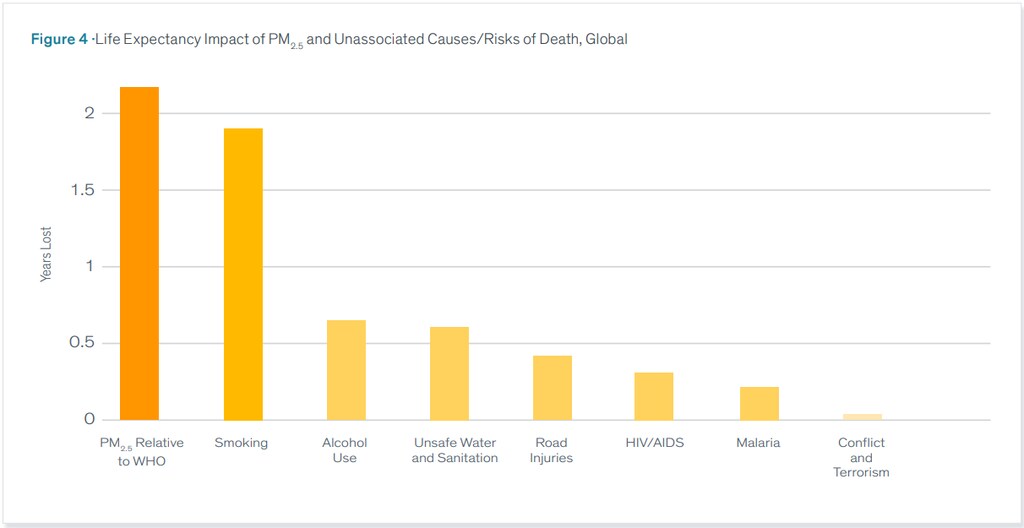
The University of Chicago's Energy Policy Institute's latest Air Quality Life Index has found that chronic air pollution cuts average global life expectancy by more than two years per person.
A recent study has found that just one in 20 medical treatments have high-quality evidence to support their benefits.
Researchers followed 12,000 people for 30 years to uncover seven simple habits that could cut your risk of dementia.
A study published in The Proceedings of the National Academy of Sciences has found that physicians prescribe fewer painkillers during night shifts.
Research published in Nature Medicine has found that the monkeypox virus has mutated at a much faster rate than would typically be expected.
An international group of researchers has shown how an enzyme could reverse muscle loss brought about as a result of ageing and cancer.