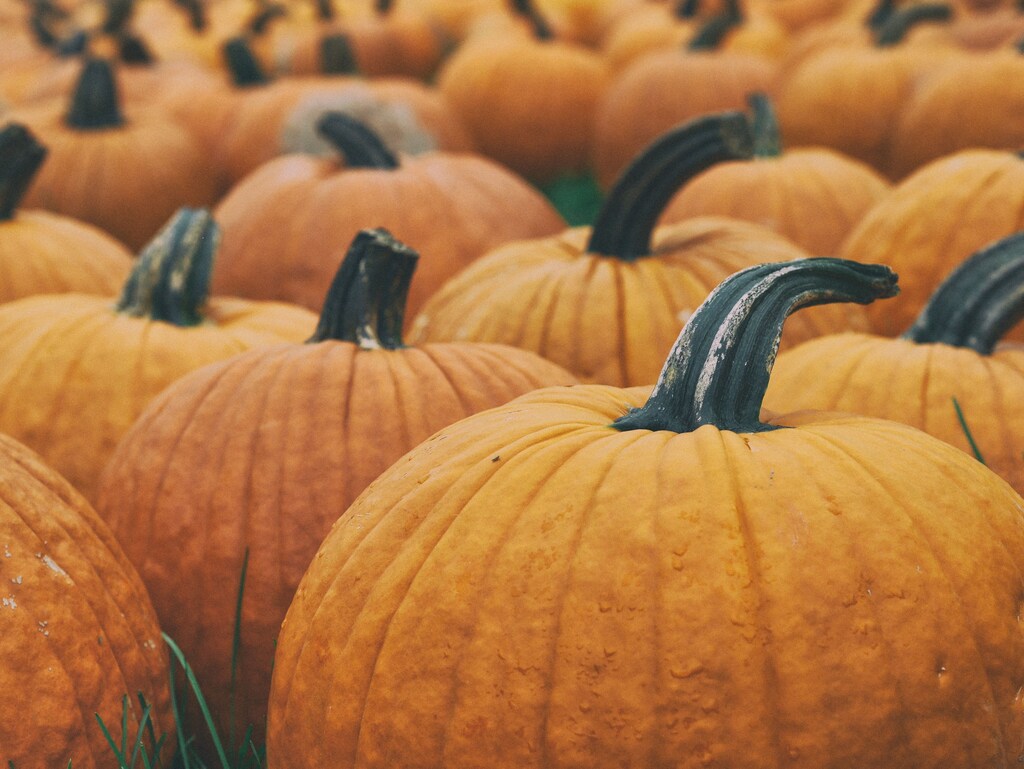
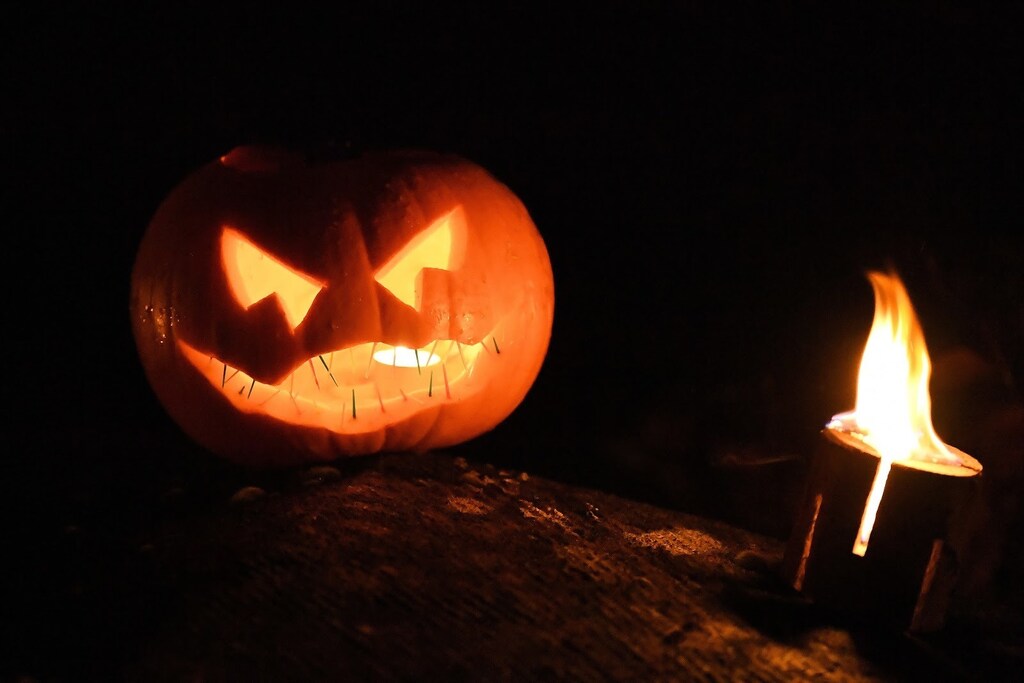
For many, carving ghoulish faces into pumpkins is an October tradition. But it could be creating a nightmare for the environment.
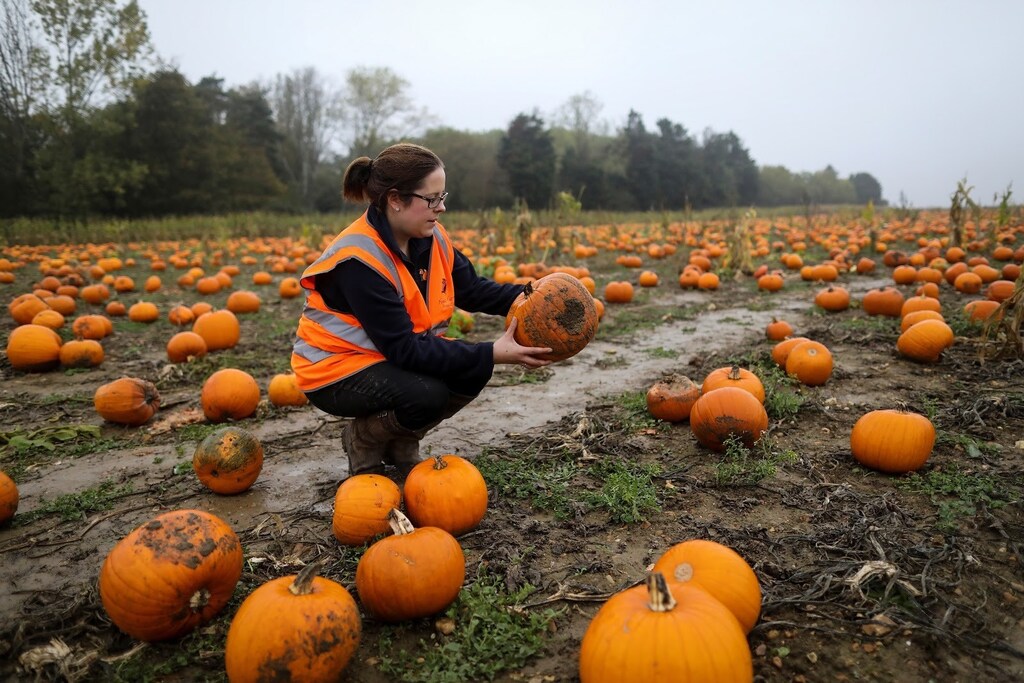
Every year, 10 million pumpkins are grown in the UK. Of those, 95% are used at Halloween and then thrown away - creating 18,000 tonnes of food waste.
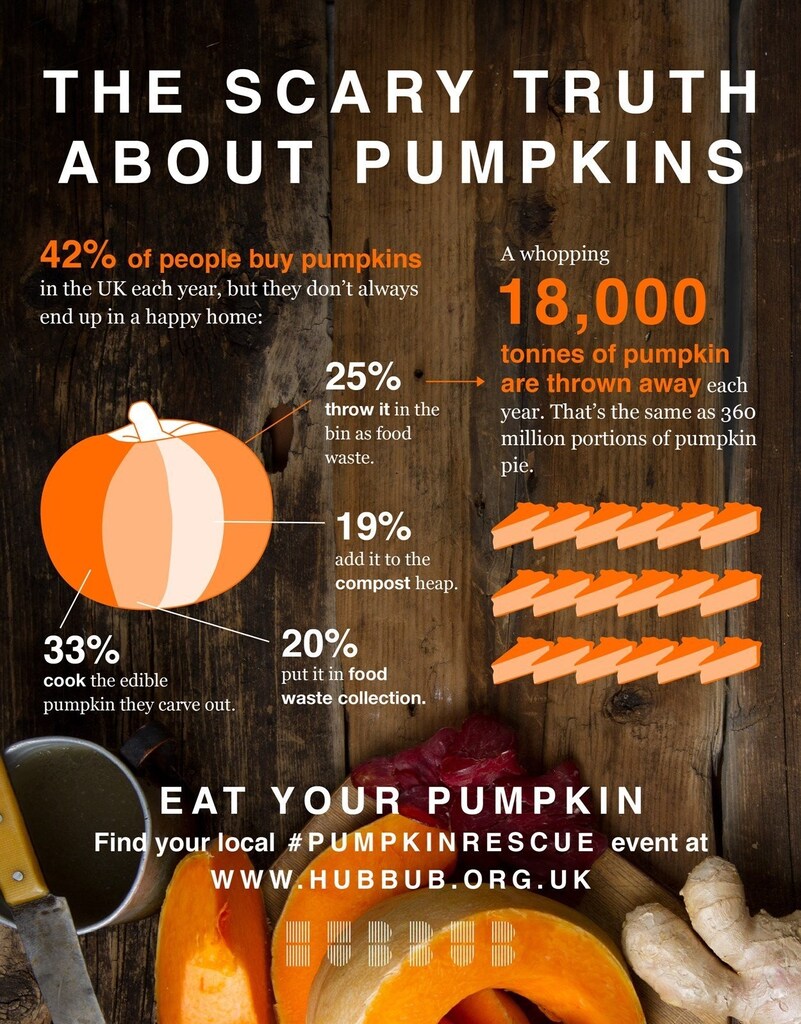
It’s a similar story in the United States, where most of the 900,000 tonnes of pumpkin produced annually will be trashed, rather than used as food or composted.
That feeds into the 1.3 billion tonnes of global food waste created each year. Fruit and vegetables have the highest rate of waste of any food.
Pie and a pint
Once Halloween is over, there’s still plenty you can do with a pumpkin. There are dozens of different recipes – from the famous pumpkin pie popular in the US at Thanksgiving, to soup, bread, curry and cake.
Pumpkin seeds are believed to have a range of health benefits – helping with sleep, blood sugar levels, and cholesterol.
Meanwhile, craft beer producer Toast Ale has come up with a recipe for home-brewed pumpkin beer that also makes use of leftover bread.
Pumpkin power
It’s not just food waste that concerns scientists. According to the US Department of Energy, pumpkins that end up in landfill will decompose and eventually emit methane – a greenhouse gas with more than 20 times the warming effect of carbon dioxide.
Instead of creating emissions, pumpkins and other holiday waste could be turned into energy via anaerobic digestion, where microorganisms are used to break down organic waste materials in an air-sealed tank that’s heated up to accelerate processing.
The resulting biogas can be used to generate electricity that powers homes, runs vehicles, and produces heat.