Social media is turning cities into backdrops for perfectly crafted photographs but the resulting overtourism threatens local communities while diminishing the experience for visitors by pushing out the people who make these places what they are.
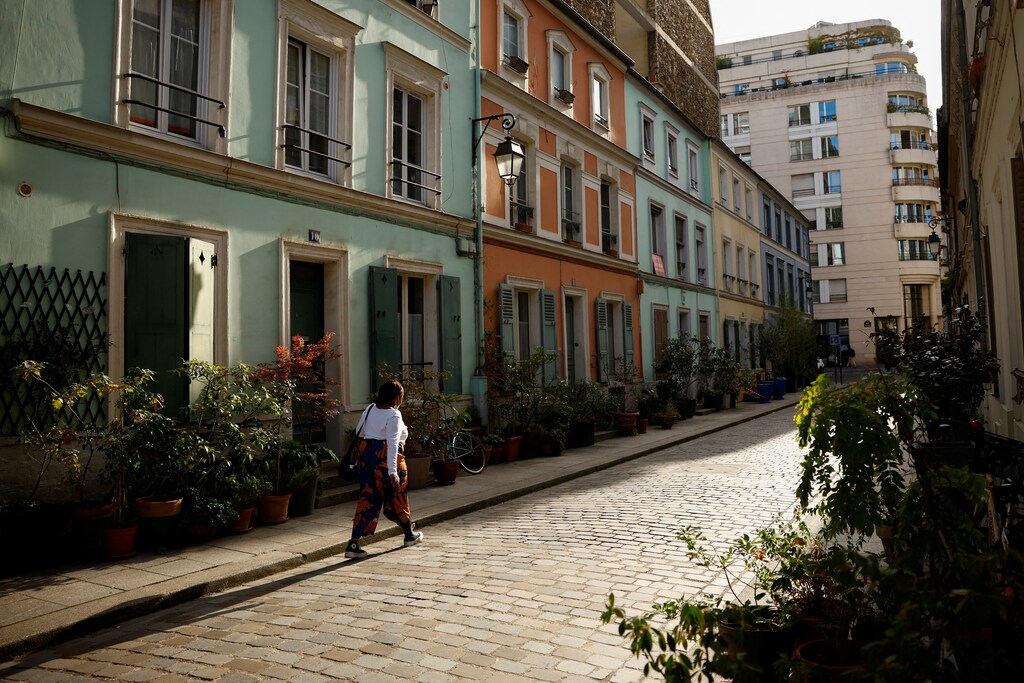
Owning a house on Rue Crémieux, widely known as the most colourful street in Paris, France, sounds like a charmed life and a real estate win one could only dream of. Its residents, however, find themselves traipsing through crowds of influencers and content creators looking for a less trite picture than with the Eiffel Tower, just to reach their own front doors.
Since 2019, they have been lobbying city hall, unsuccessfully, to gate the street in the evenings and at weekends.
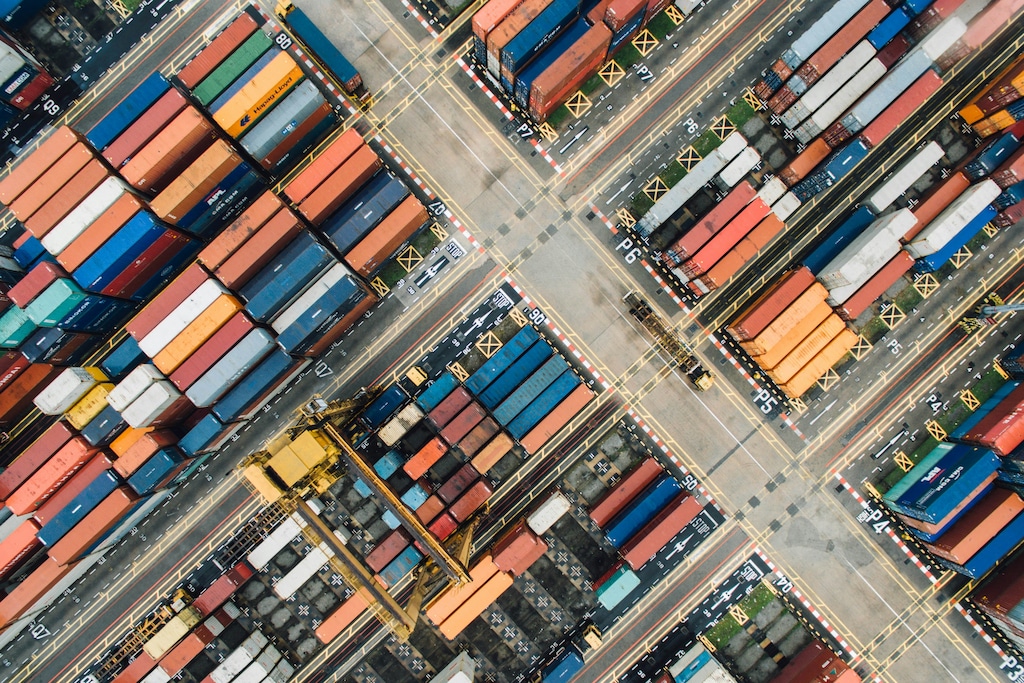
Rue Crémieux is not the only area affected by this growing trend of “over-tourism.” Last year international arrivals reached a record1.52 billion, according to UN Tourism data.
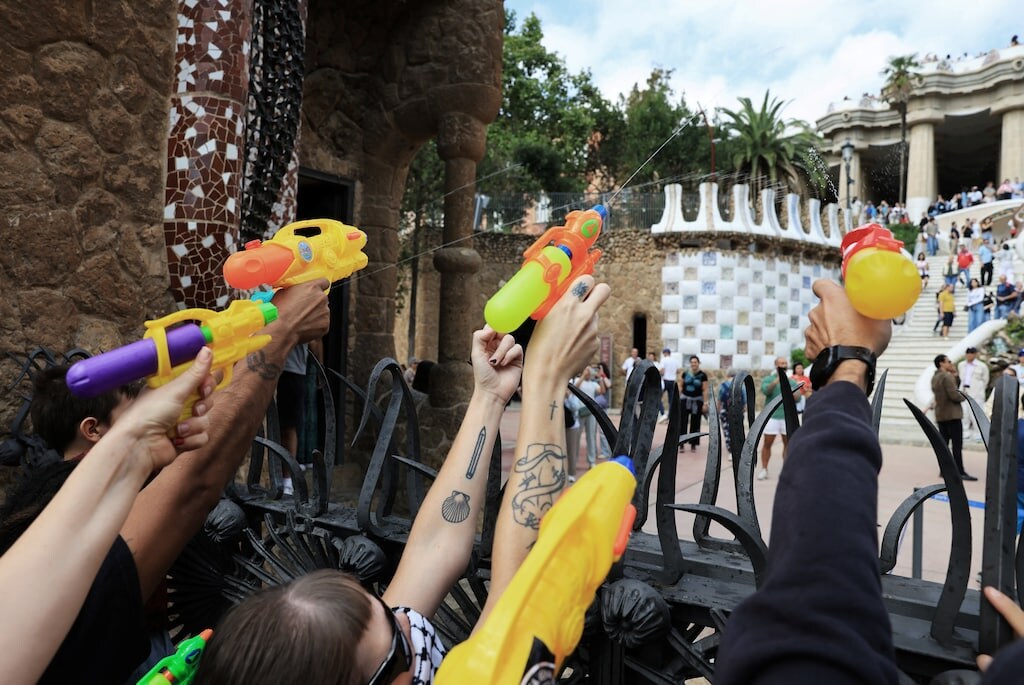
In Venice – the canary in the coal mine for historic centres everywhere – officials brought back a day-tripper fee this year. And in recent summers social media has carried conventional holiday clips of frustrated Barcelona residents spraying bewildered tourists with water pistols.
These growing complaints are real– rising rents, crowds and short-term rentals with no life in them. Flats turn into short-term rentals; the hardware store starts selling fridge magnets. At some point the regulars give up and stop coming.
Little of this is good for residents or for the starry-eyed visitors. Underneath all of it, it is social media turning slices of the most dynamic cities on Earth into scenery.
1. Social media creates stage sets that draw visitors in
Visitors now arrive in cities having already studied them as stage sets. Through short-form video, they know the perfect café, have bookmarked where a charming walk can be taken, and recognize which vintage shop has the mirror to capture the ideal selfie.
Cities are splitting into spectators and participants, with the former leaving after they get their token shot but the latter staying to eat with the locals, using their parks and markets and talking to people.
What makes a place worthwhile are elements which do not show up in photographs. Cities are the product of their urbs, the brick and mortar, and their civitas, the people who live in them. It is from the encounter with the latter that the richness of the experience comes.
More than 25 years ago Joe Pine and James Gilmore, two American management writers, described an “experience economy,” in which a cup of coffee could sell for many times its cost if the setting was memorable enough. Cities run that economy at scale.
What gives a city its value, though, is its authenticity.
A meal has meaning because of the traditions behind the food, the neighborhood around the restaurant and the people with whom we share it. Social media increasingly strips away that historical and social context, reducing rich, layered experiences to momentary, reproducible images. A city can become more photographed while being experienced less deeply.
2. Why human encounters make cities engines of innovation
What makes cities real are the constant real world encounters they motivate. This is why cities are innovation machines. They throw together people who would never otherwise meet and new ideas come out of the collision. In 1890, economist Alfred Marshall noted how people pick up trade secrets just by living and working around others in the same field.
Jane Jacobs, the great chronicler of the American street, showed that new work comes from different trades rubbing shoulders. Edward Glaeser, the Harvard economist, has spent a career measuring how being close to one another speeds up learning. A tourist who only takes photos is not part of the city but exists outside of it, never really entering this crucial mix.
We may be letting that machine idle. At the MIT Senseable City Lab, we worked with Glaeser and others to compare footage of public spaces in Boston, New York and Philadelphia shot in 1980 with the same spots filmed in 2010. People were walking about 15% faster and about 14% fewer of them stopped to linger.
Our phones are very good at handing us what we already like. What they cannot do is send us down the wrong street or sit us next to someone working on a problem we had never heard of, which has always been the city’s job. Overtourism is more than a nuisance: It gums up the critical role of interaction and serendipity that powers the city as innovative engine.
3. How to make tourism work for residents
None of this means shutting the gates. Cities have always lived off visitors, from medieval merchants to students and artists today, and good tourism makes its own encounters. A better start would be to change what cities count. Visitor numbers and hotel occupancy tell you almost nothing about who actually uses a square or who can still afford to live next to it.
But when we use mobility data to examine how people actually move about a city, we learn how people actually use the city. It then becomes possible to design a city that works better for residents and tourists.
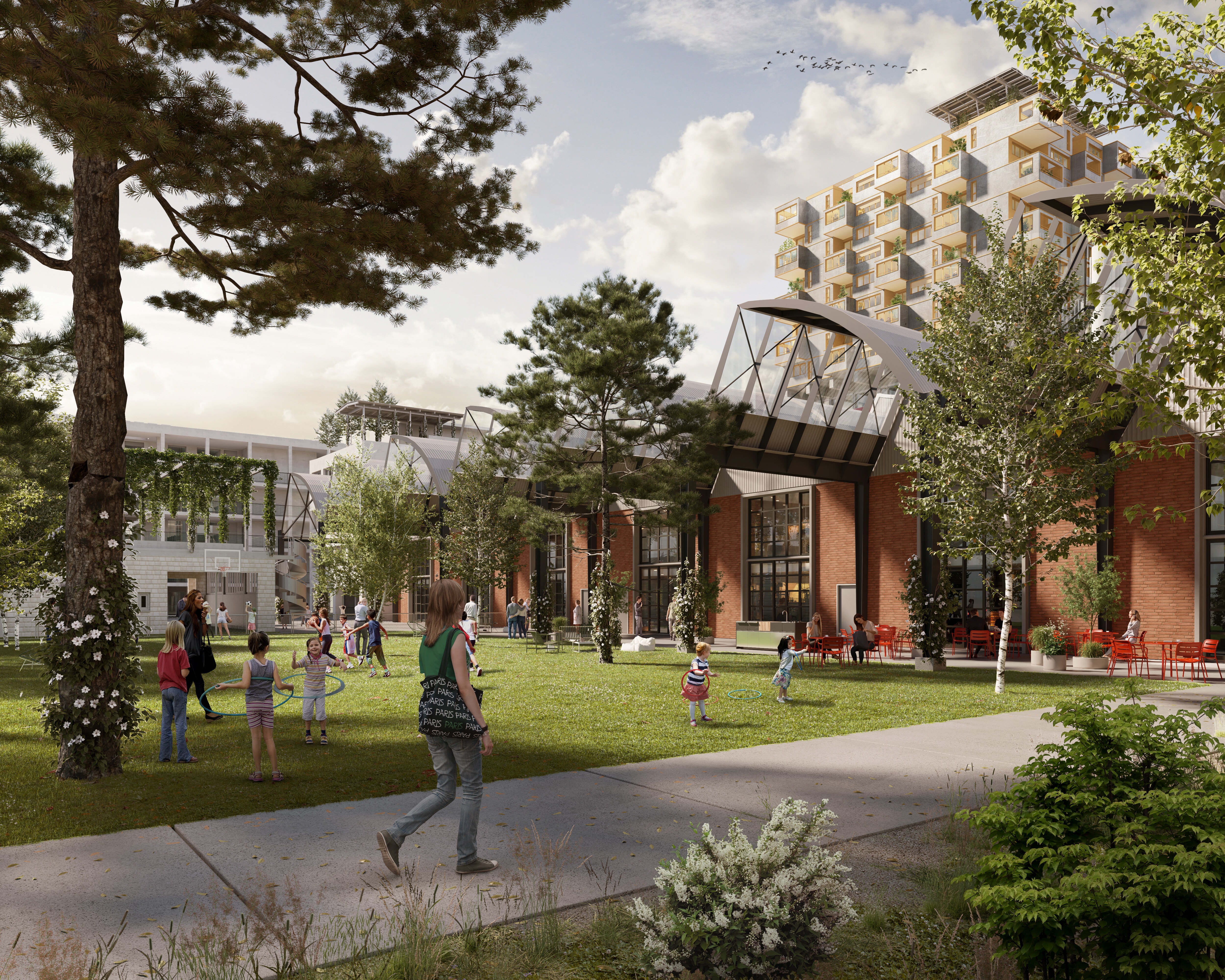
In practice it means protecting housing in certain neighborhoods and limiting short-term rentals, in order to protect the right mix between residents and tourists. At the end of the day, a neighborhood with few or no residents has nobody to meet, along with the shops, markets and cafés where a stranger can, little by little, turn into a regular.