Imagine a restaurant menu where the fish changed every week, and you never knew what you might be able to order.
Well, that's exactly the type of menu Dock to Dish is trying to create.
"You surrender your right to ask for anything... there's no more I want," explains Sean Barrett, Dock to Dish's CEO.
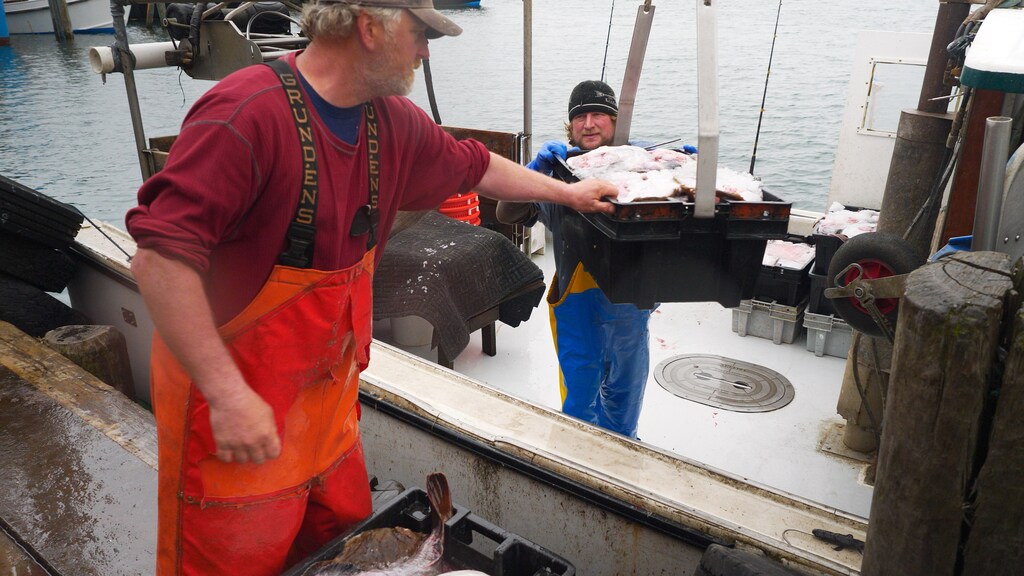
The community-supported fishing programme only catches what's plentiful and in season, before selling it on to local restaurants. In fact, the restaurants pay up front for their fish, and only know what they're going to get on a weekly basis.
Catch of the day: sustainability
The model allows local fishermen to make the decisions about what to catch – rather than being driven by demand for a particular species.
By catching only what's abundant, fish stocks are protected, and the pressure placed on ecosystems is reduced.
For Michael Anthony, Executive Chef at Dock to Dish-supplied restaurant the Gramercy Tavern in New York, it's about an openness to serve what's available, rather than saying this is what our guests want to eat. And he believes this is increasingly what consumer are looking for:
"The sophistication of the dining public is now demanding that any great restaurant should have intimate relationships with the producers it works with."
This relationship creates accountability, explains Barrett. The direct line of vision between source and consumer influences the behaviour of those catching the fish, how they care for the environment and their produce.
We're out of the flying fish
And there are benefits beyond accountability, relationships and the planet. The quality is higher, too.
In the US, seafood travels an average of 5,000 miles per serving – with 90% of it imported.
But, a fish caught by Dock to Dish will never fly. Indeed, it will never travel further than 150 miles from the port in which it landed.
This means it only ever passes through three pairs of hands in the custody chain before it reaches consumers. Compare this to other models, where it might pass through 40, explains Barrett – losing quality all the time.
It's caught on
The fact the fish won't fly doesn't mean it isn't scalable though. There are now Dock to Dish restaurants and 'support a fishery' programmes across North and Central America, says Barrett.
As a result, it's also helping to restore the appreciation towards commercial fishermen as providers of food for the local community, he believes.
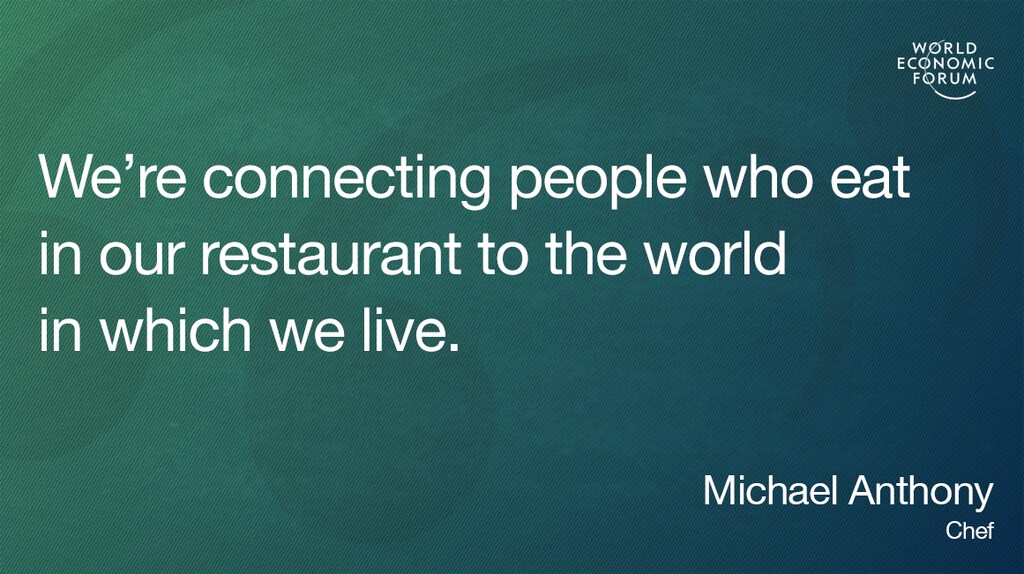
Chef Michael Anthony sums it up nicely: "We're connecting people who eat in our restaurant to the world in which we live."
Read more about the inspiring pioneers finding creative solutions to the climate crisis here: https://wef.ch/pioneersforourplanet
About the series: Each week we’ll bring you a new video story about the people striving to restore nature and fighting climate change. In collaboration with @WWF and the team behind the Netflix documentary #OurPlanet. #ShareOurPlanet
Read more about it here.
Want to raise your #VoiceForThePlanet? Life on Earth is under threat, but you can help. People around the world are raising their voice in support of urgent action. Add yours now at www.voicefortheplanet.org