This weekly round-up brings you some of the key environment stories from the past seven days.
Top stories: A new analysis says we can limit warming to 2 degrees Celsius - but rapid action is needed; US climate envoy John Kerry makes renewables push; solar energy breakthroughs and projects.
1. News in brief: Top environment and climate change stories to read this week
As a result of a 13-year drought, Chile has announced a plan to ration water for its capital Santiago. "A city can't live without water," Claudio Orrego, the governor of the Santiago metropolitan region, said in a press conference.
The International Monetary Fund has announced the creation of a new facility to help low-income and most middle-income countries deal with longer-term challenges, such as climate change.
Uganda is fighting an outbreak of African armyworm, which devastates cereal crops. Officials blamed climate change for the infestation, as the worm migrated to Uganda from countries that were hotter because of changing climates.
UN agencies warned last week that as many as 81,000 people in Somalia are facing famine conditions, as drought persists, humanitarian funding falls and food prices soar.
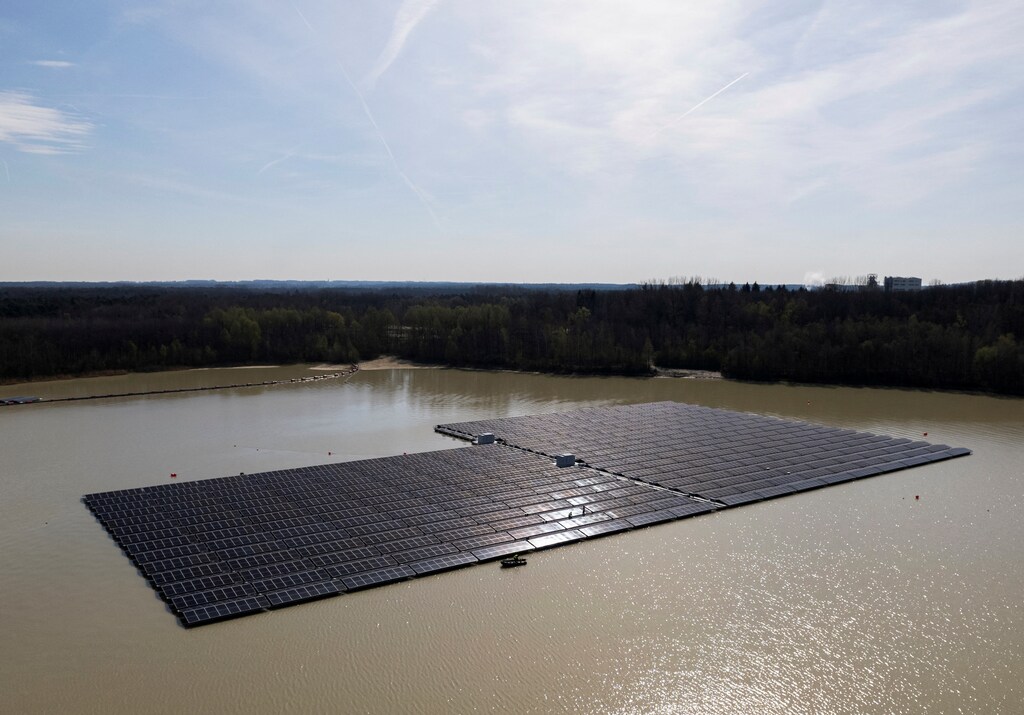
A German company is set to switch on a floating solar power plant built on a quarry lake next month.
A technological breakthrough could see solar energy captured and stored for up to 18 years. The system was first developed in 2017, but researchers have now succeeded in getting it to produce electricity, Euronews reports.
2. US climate envoy John Kerry calls for renewables push
The war in Ukraine shows it's now time to shift to clean and independent energy, US climate envoy John Kerry said at a press conference on the Pacific island of Palau. He urged nations to boost the use of offshore renewable power sources.
"Now is the time to accelerate the transition to an independent and a clean energy future. President Putin cannot control the power of the wind or the sun," Kerry said in the opening speech to the Our Oceans conference.
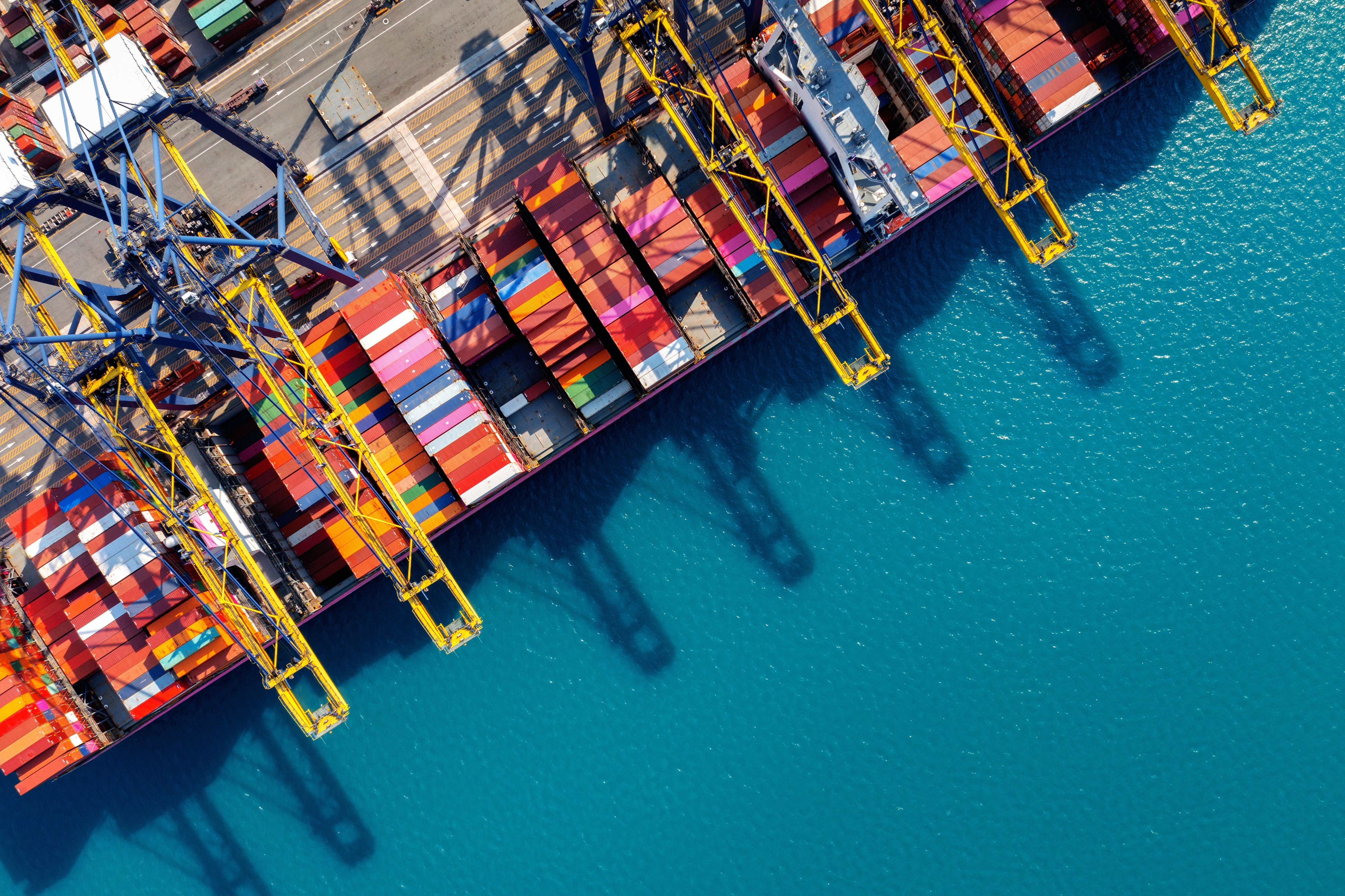
Nations needed to use more offshore windpower, he said. Kerry also called for the shipping industry to use more green power, saying that if the sector was a country it would be the 8th largest emitter of greenhouse gas.
3. New analysis suggests we can limit warming to 2C. But only with rapid action
A new analysis of the net-zero pledges made at the COP26 summit in Glasgow late last year suggests that the world can limit global warming to under 2 degrees Celsius above pre-industrial levels. It's the first time these pledges have made this possible.
However, this is dependent on all nations implementing all pledges in full and on time. The authors warned that the policies are not currently in place to facilitate this.
This includes pledges that will not happen in developing countries without more financial and technical support.
Prof Malte Meinshausen, from the University of Melbourne, Australia, a member of the team behind the analysis, told the Guardian newspaper that having the 2 degrees Celsius limit in sight was a "historic milestone".
However, he added, “Our study also clearly shows that increased action this decade is necessary. Otherwise, we’re going to blast through the remaining carbon budget for 1.5C.”