Cities across America are banning the construction of fast-food drive-throughs, in a bid to cut air pollution and combat climate change.
Minneapolis is one of the latest to bring in rules prohibiting new drive-through restaurants, while towns in California, Missouri and New Jersey already have similar bans in place.
Measures to reduce idling – leaving a car’s engine running while it’s stationary – are also gaining in popularity and have been put in place in cities including Boston.
Drive-through lines – where people order food through a window and wait in their car while it’s prepared – are a common place for this to happen.
Idling engines contribute to emissions and increased fuel consumption - bad for drivers' wallets and the planet. US government advice suggests that idling for more than 10 seconds uses more fuel and produces more emissions than restarting your engine.
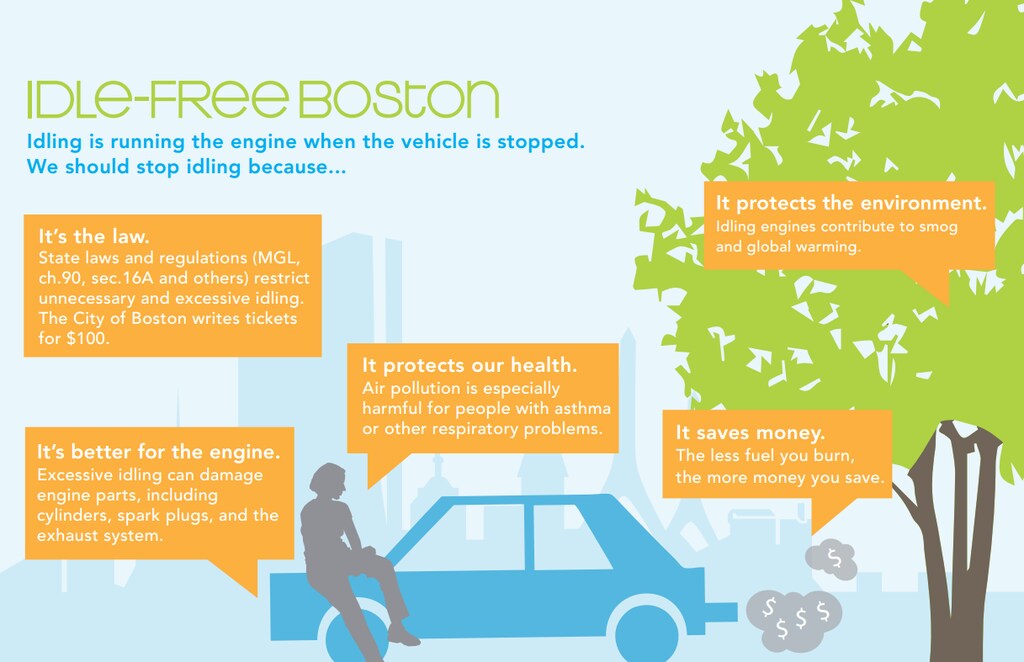
Vehicle emissions contain gases including carbon dioxide, which contributes to climate change, as well as harmful pollutants nitrogen dioxide, carbon monoxide and hydrocarbons.
Around 7 million people die each year as a result of exposure to air pollution, according to the World Health Organization. This is equivalent to 13 early deaths every minute.
The US Department of Energy estimates that eliminating the idling of car engines would be the same as taking 5 million vehicles off the roads.
What's the World Economic Forum doing about the future of cities?
The Centre for Urban Transformation connects city leaders, businesses and governments to make sense of the challenges and opportunities shaping urban futures.
Through peer learning and collaboration, the Centre enables cities to exchange insight and translate shared understanding into practical, resilient urban solutions.
Advocates of these policies say eliminating drive-throughs will also help lower obesity rates and cut down on litter thrown from car windows. Opponents say there’s little evidence to show that the policy will be effective in improving air quality or health.
Idling is becoming a focus for policy makers around the world as they look for ways to improve air quality. In the UK, motorists who won’t turn off their engines can be fined. Even so, the BBC reported that the UK’s National Institute for Health and Care Excellence could not find strong evidence that linked changes in driving style to cleaner air.
Still, with air pollution cited as one of our biggest killers, finding solutions and trying new legislation will probably continue.