The 2021 Nikon Small World Photomicrography Competition winners have been announced.
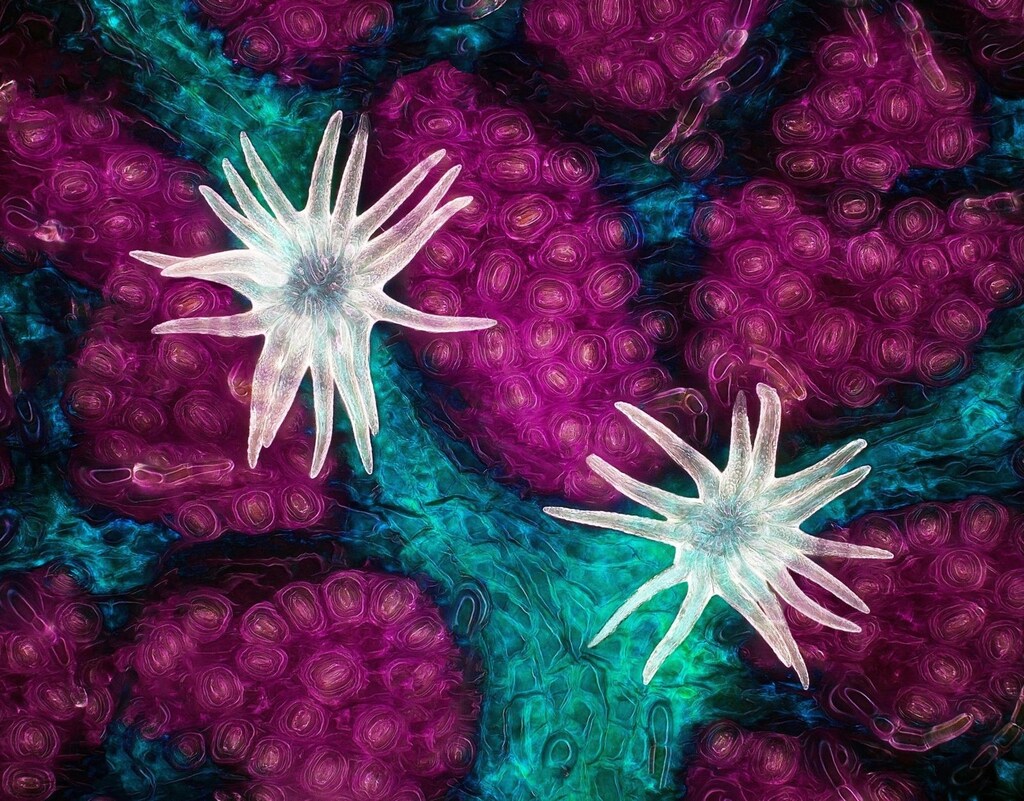
The winning image shows the structures of a southern live oak leaf and was made from stacking hundreds of individual images together.
The competition celebrates microscopic photography and how seeing a close-up image can change perceptions of the natural world.
Nature’s hidden beauty has been revealed in all its tiny glory in the latest winners of a microscopic photography competition.
Jason Kirk placed first in the 2021 Nikon Small World Photomicrography Competition for his striking shot of something seemingly mundane: the stomatal pores of a southern live oak leaf.
An optical imaging specialist from Texas, Kirk called on his passions for microscopes and photography to produce this winning shot with a custom-made microscope and by stacking together 200 individual images.
The annual competition showcases tiny images magnified by microscope and given depth and meaning by state-of-the-art photographic and imaging techniques and the vision of the photographer.
Kirk’s winning entry illustrates the technical knowledge required to capture such artistic composition.
“Microscope objectives are small and have a very shallow depth of focus,” Kirk says. “I couldn’t just stick a giant light next to the microscope and have the lighting be directional. It would be like trying to light the head of a pin with a light source that’s the size of your head. Nearly impossible.”
Revealing how plants survive extreme weather
The image highlights three vital structures essential to plant life: the trichomes (in white), which are fine outgrowths that protect a plant against extreme weather, microorganisms and insects.
The stomata (in purple) are small pores that regulate the flow of gases in a plant, while coloured in cyan are vessels that transport water throughout the leaf.
What is the World Economic Forum doing about nature?
The Centre for Nature and Climate helps leaders make sense of the interconnections between climate, nature and economic development. It provides a platform to explore pathways that support resilience and prosperity within planetary boundaries.
By enabling cooperation across sectors and regions, the Centre supports partners in translating shared understanding into practical climate and nature solutions.
Now in its 47th year, the competition received almost 2,000 entries from 88 countries. Among them was second-placed Esmerelda Paric and Holly Stefen’s shot of networking neurons.
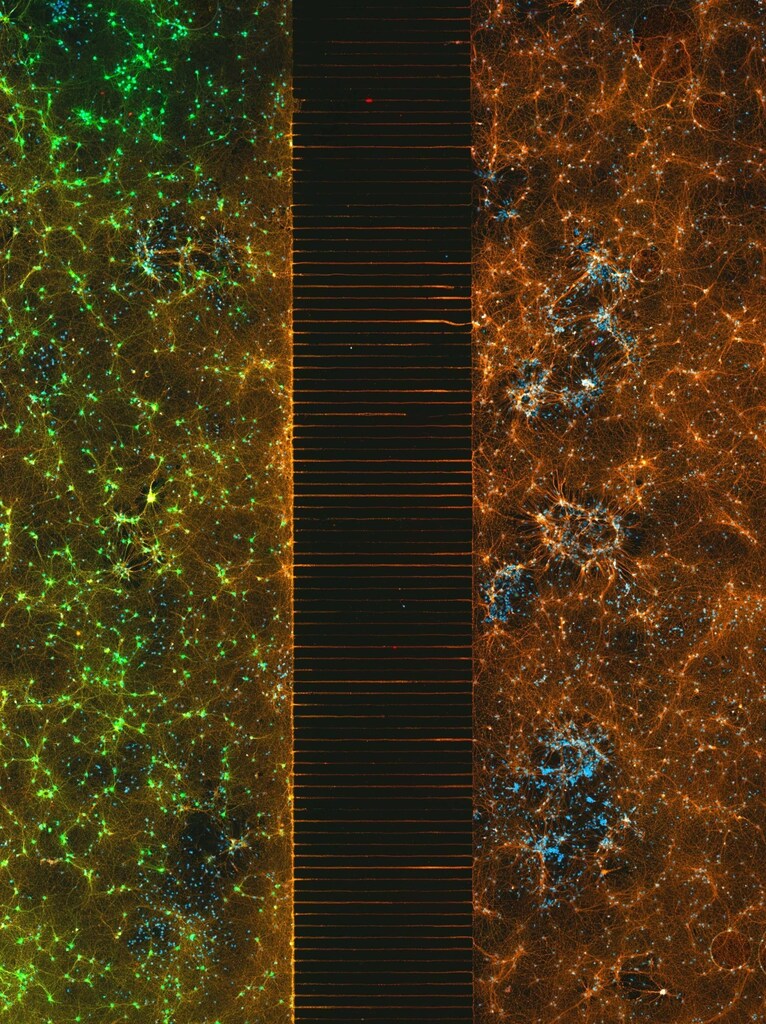
Many of the photos in this competition were constructed by layering scores of images over each other and applying different colour treatments to highlight specific features.
Here are some of the other winners in the top 20:
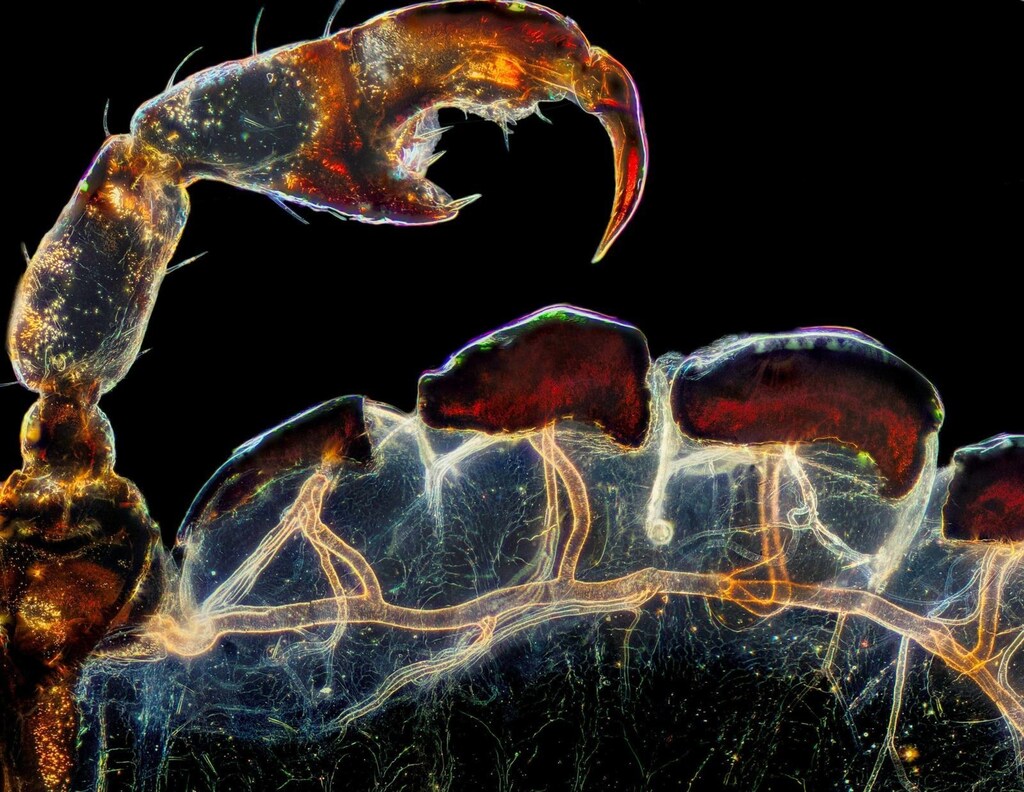
Under the microscope, the least pleasant of things can look disarming or even beautiful, like this image of a housefly’s proboscis.
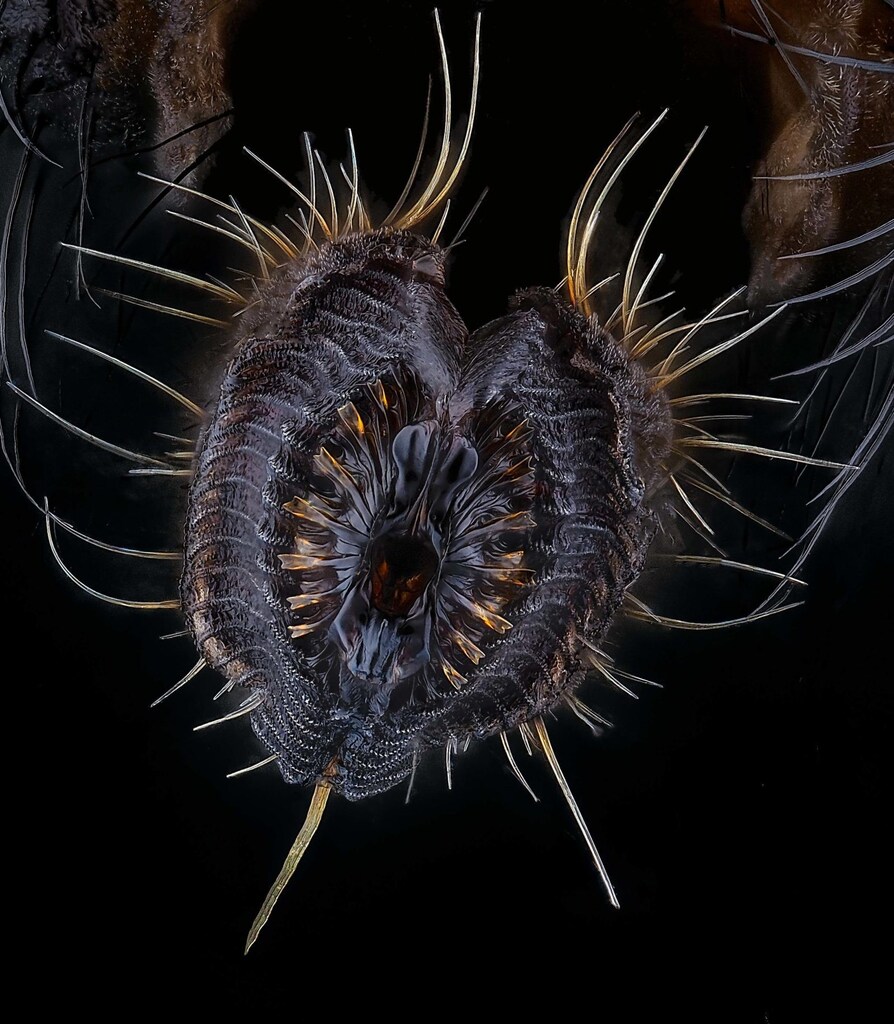
Meanwhile, others take on terrifying proportions, such as this photo of the head of a tick.
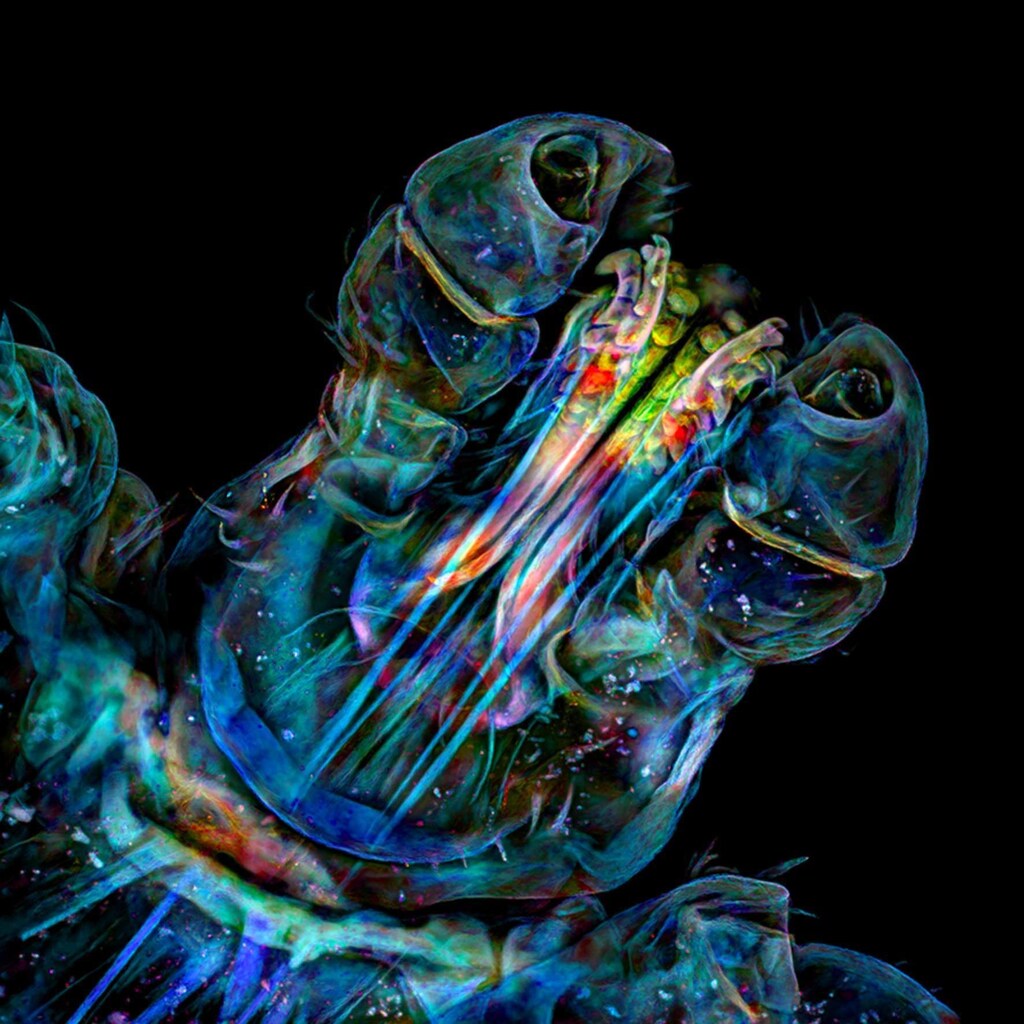
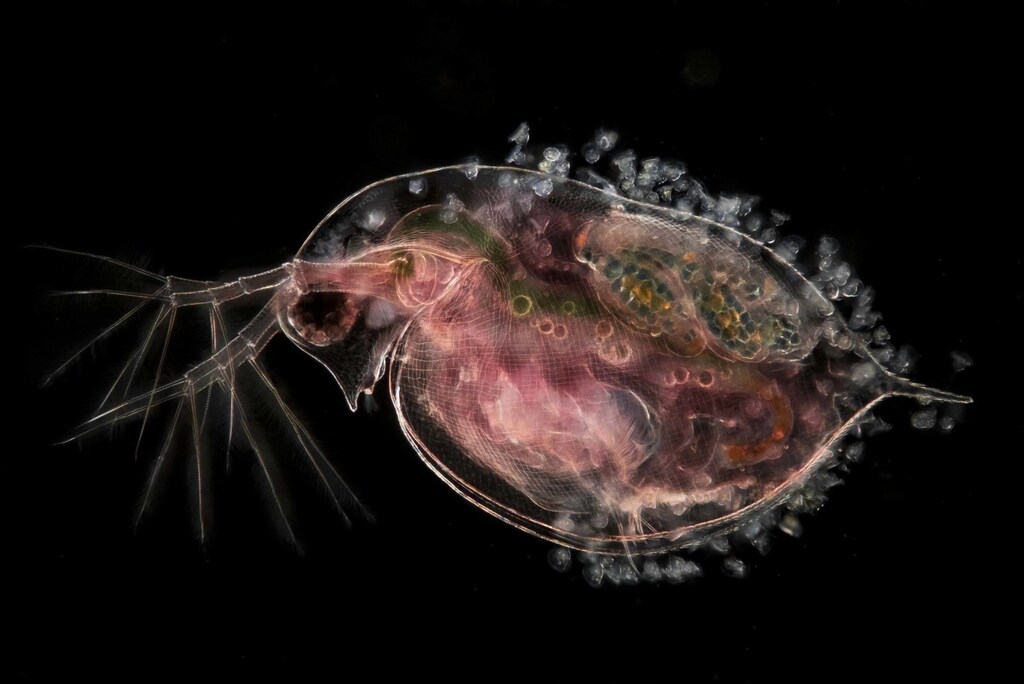
The use of colour to pick out individual features lets us see the otherwise imperceptible organs of small beasts.
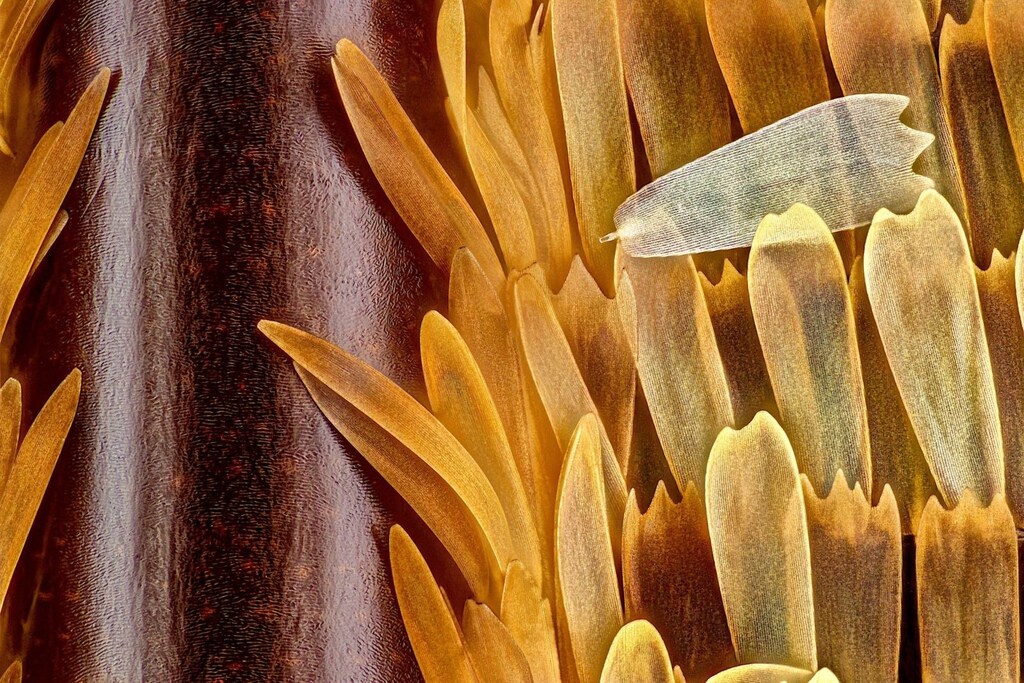
This close up of the vein and scales of a butterfly’s wing could be a modern art representation of summer flowers.
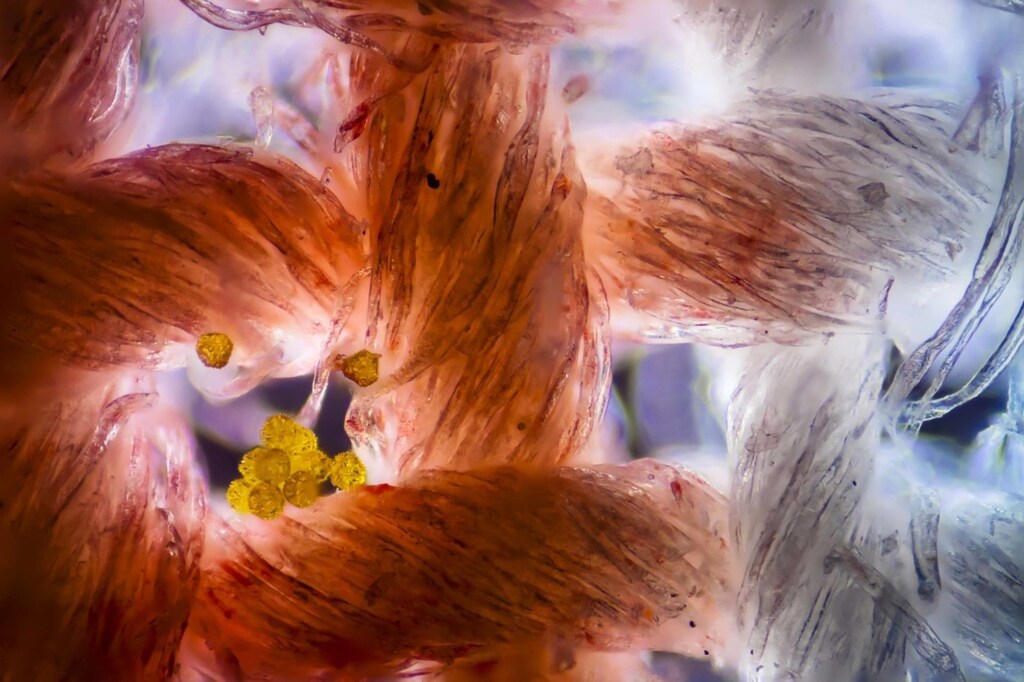
These images reveal the incredible beauty that can be found in even the most day-to-day objects, such as a detail of cotton fabric with pollen grains.
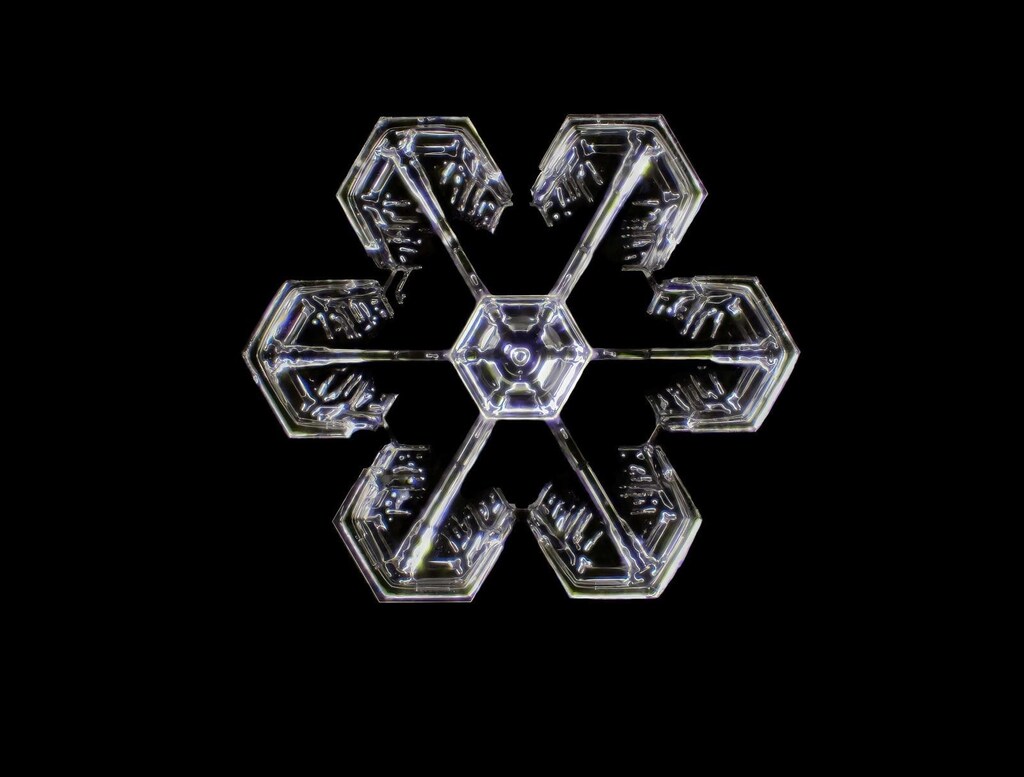
They also capture forever the most fleeting of nature’s creations, like this the robotic symmetry of a snowflake.