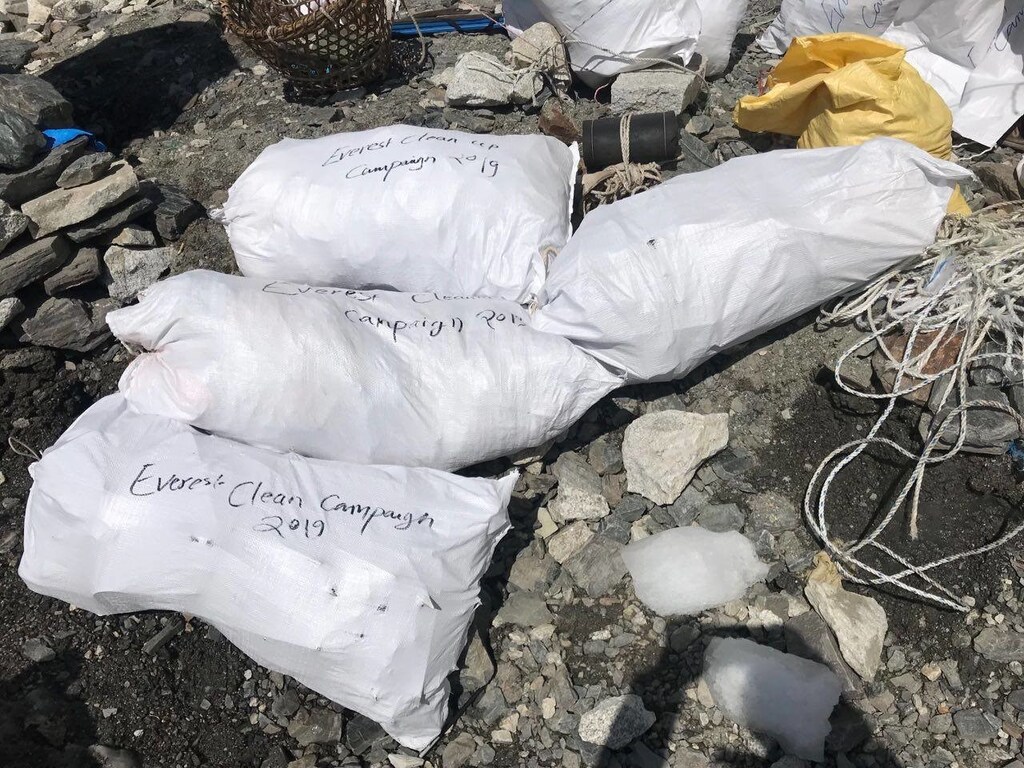
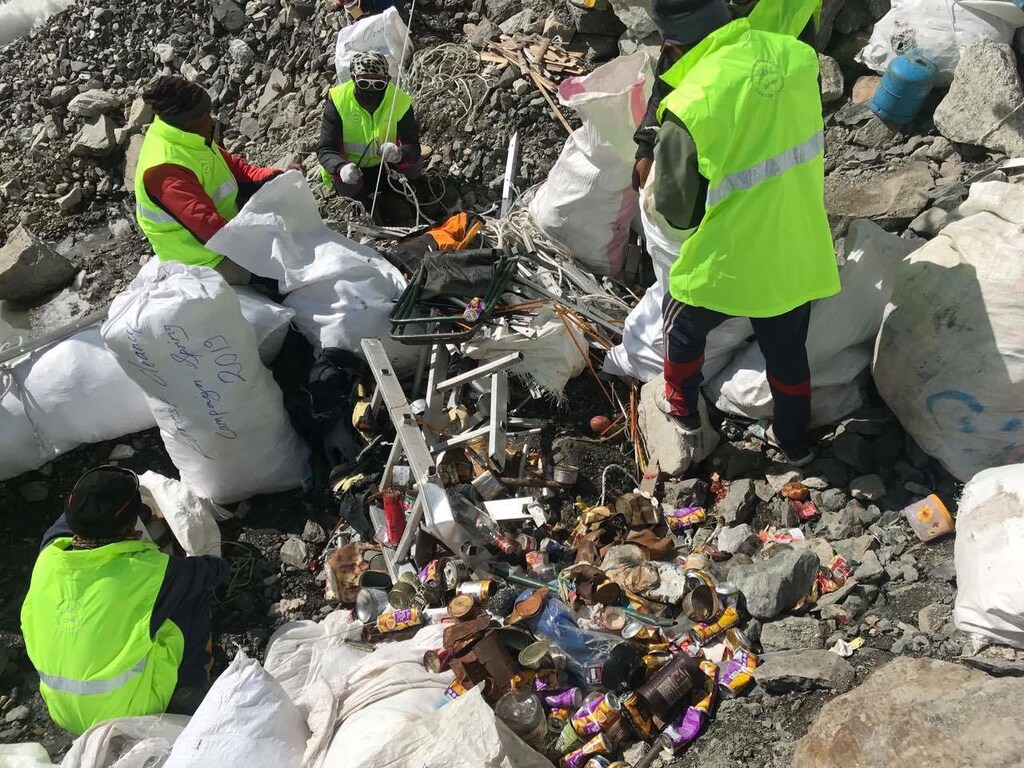
The world's highest mountain has gained an unwelcome reputation as the world’s highest rubbish dump, and a recent clean-up operation at Mount Everest collected more than 10,000 kilogrammes of garbage including human excrement, used oxygen bottles, old tents, ropes, cans, plastic wrappers, and four bodies.
Around 5,000 people have reached Everest’s summit, at 8,8488 metres or 29,000 feet. But many more visit base camp and the Sagarmatha National Park in Nepal, and those tourists and mountaineers often leave things behind.
Sherpa climbers backed by the Nepalese government and charities collected the litter, which was exposed as the winter snow melted.
Trash dumping is a problem for the government as it needs to balance the revenue generated by such a large-scale tourist attraction with the need to protect and preserve it. Nepal this year issued 381 permits to Everest, costing $11,000 each.
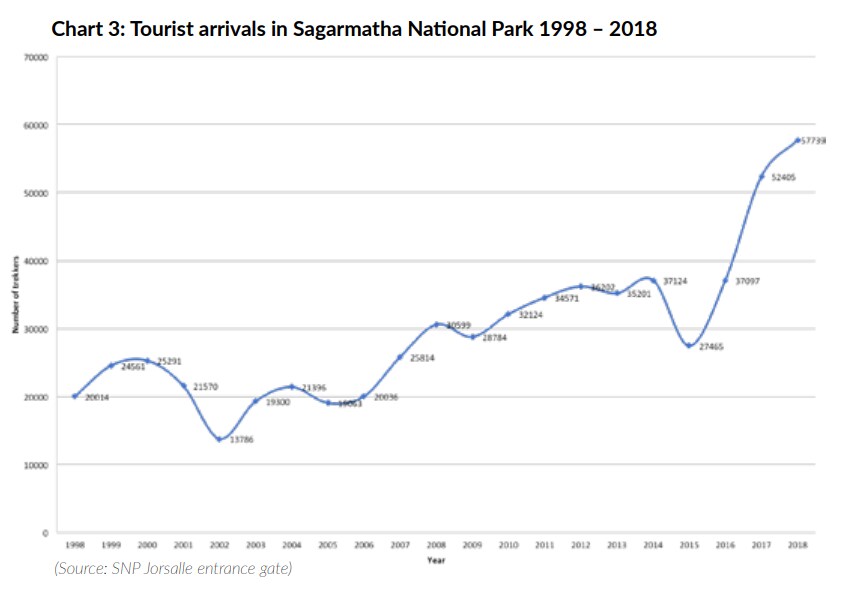
China’s government blocked non-climbers from visiting the base camp on its side of the mountain earlier this year, saying tourists visiting the site at around 17,000 feet were leaving too much trash.
The impact of tourists on the environment is one of the themes covered in the World Economic Forum’s Travel & Tourism Competitiveness Report, which assesses countries based on how they balance sustainability and the economic advantages of tourism – the industry accounts for 1 in 10 jobs on the planet.