Demographic and lifestyle changes, especially in cities, are fundamentally reshaping how communities around the world interact.
In Japan, this includes changes in living situations among young people, including the rise of single-person households.
Government and corporate efforts to address these changes are helping to tackle social isolation while also creating more resilient cities.
Community is one of the most valuable assets to a resilient society. Strong social connections not only help prevent loneliness and isolation. They also play a vital role in maintaining public health, strengthening disaster preparedness and supporting people through everyday life.
But demographic and lifestyle changes are fundamentally reshaping how many communities are structured.
In Japan, households have traditionally often included multiple generations living under one roof. Families build social connections through schools, workplaces and neighbourhood activities. Today, however, rapid growth in single-person households is transforming the country's social landscape.
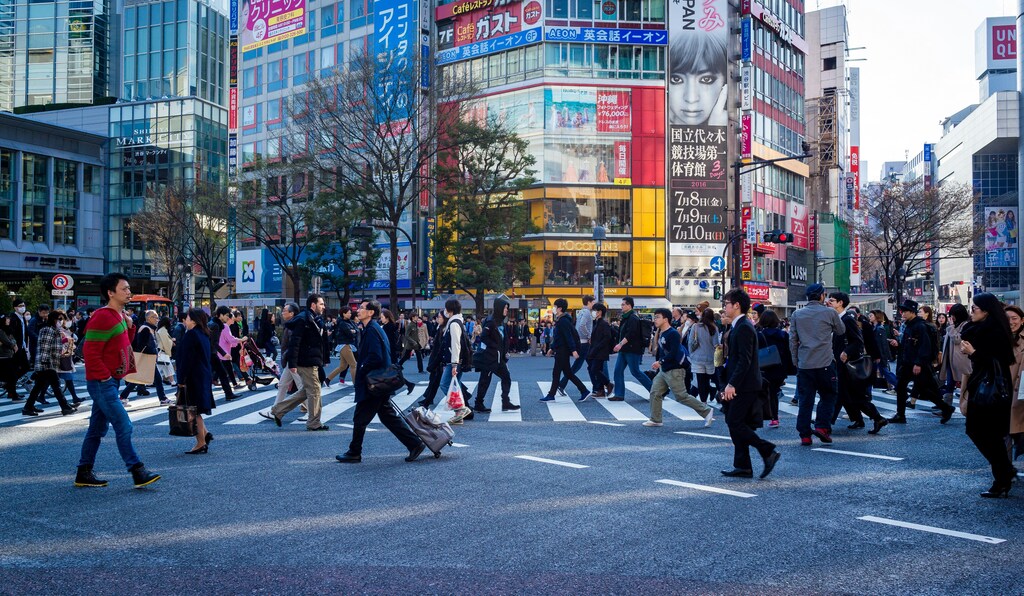
This trend is particularly evident in urban areas – single-person households now account for half of all households in Tokyo and around 40% in Osaka, Kyoto and Fukuoka. And this share is expected to continue rising.
These demographic shifts are changing traditional community ties. As interactions with neighbours become less frequent, loneliness and social isolation have become growing concerns, affecting both mental and physical health. The lack of close social networks also makes it more difficult to detect deteriorating health conditions, contributing to an increase in solitary deaths. During natural disasters, weaker neighbourhood connections can also reduce access to mutual support and assistance.
As a result, declining community cohesion is emerging as a broader resilience challenge. It’s placing additional pressure on healthcare, elderly care, social welfare and disaster response systems. That’s why governments, businesses and local communities across Japan are working together to create new forms of social connection.
Transforming Japan's danchi housing
Japan's danchi, or large-scale public housing complexes, were originally built to address post-war housing shortages.
These residential developments, managed by public agencies or local governments, come with affordable rents, parks and shopping streets integrated into their design and have become home to many young families during Japan's period of rapid economic growth in the last century.
Today, many younger residents have moved away, leaving an ageing population behind. As a result, maintaining vibrant communities within danchi has become increasingly challenging. But initiatives launched across Japan aim to create new shared spaces and rebuild connections among residents.
In Hanamigawa Danchi in Chiba City, for example, Japanese retailer MUJI and the semi-governmental Urban Renaissance Agency are collaborating on a community revitalisation project. They have transformed the shopping district into a more welcoming public space by adding landscaped green areas, benches and outdoor gathering spaces. MUJI has also opened a retail store and café within the complex and regularly hosts local markets. This creates opportunities for residents and visitors from outside of the danchi complex to interact naturally.
The project also includes a pilot of the autonomous mobility service GACHA. It's designed to improve mobility for older residents while encouraging greater community participation and revitalizing the neighbourhood.
The rise of shared living in Japan
The younger people moving to cities for work also face increasing social isolation, however.
As social media and digital platforms have become widespread, face-to-face interaction has declined by more than 40% over the past three decades. More than 40% of people in their 20s and 30s living alone in central Tokyo experience loneliness, while 45% of those who report feeling lonely have the chance meet friends or acquaintances in person less than once a week.

Against this backdrop, shared housing and co-living are becoming more popular. Once relatively uncommon in Japan, living with strangers can not only help reduce loneliness, it also eases the burden of rising housing costs. And although communal living inevitably involves some compromises, around 70% of residents report being satisfied with their shared housing experience.
Growing demand has even prompted major real estate developers, including Nomura Real Estate, Mitsui Fudosan Residential and the Daiwa House Group, to expand into the shared housing market.
Rebuilding community ties
Beyond this, municipal government initiatives are strengthening local communities. Minato City in Tokyo, for example, has made local businesses and community welfare organizations key partners in community building while creating more opportunities for residents to participate in local activities.
Programmes including Challenge Community University, the Shiba BeeBee's Project, the Akasaka Aoyama Children's Learning Initiative and a digital support programme for neighbourhood associations are also helping residents of all ages build new social connections and become more engaged in their communities.
Community as the foundation of resilience
As single-person households and rapidly ageing populations change city life, rebuilding local communities has become essential for improving wellbeing. But it can also help strengthen disaster preparedness, social welfare and emergency response efforts.
These efforts offer a model for creating more resilient cities that are better equipped to respond to ageing populations, natural disasters and increasingly complex societal challenges.
Japan's experience in this area can provide valuable lessons for other cities around the world that face similar demographic transitions.