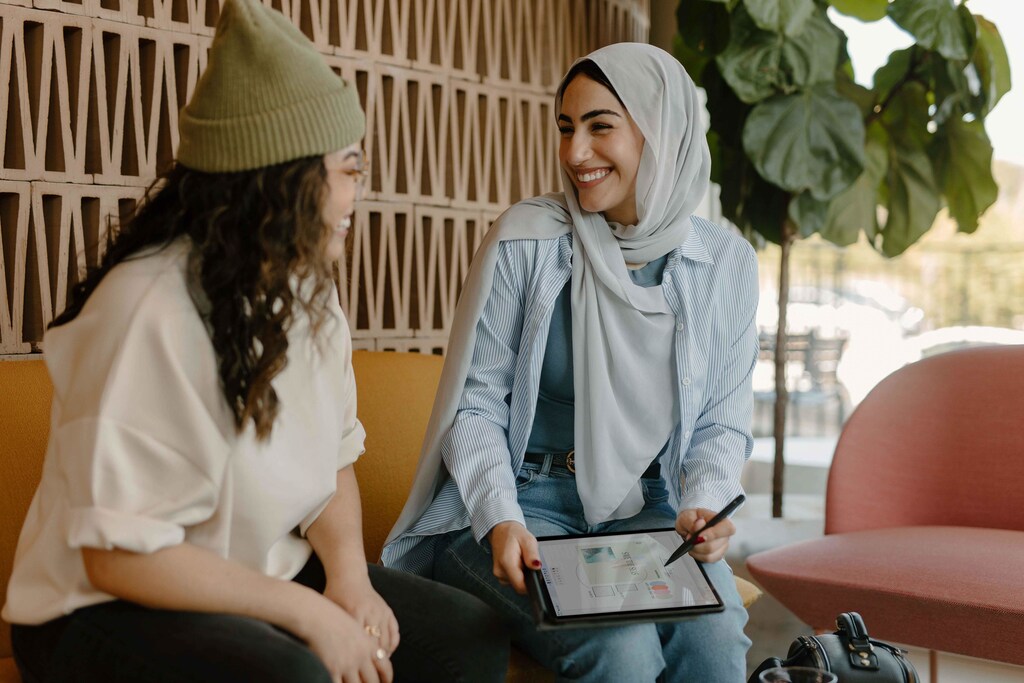
Social entrepreneurship is seeing a shift from top-down decision-making to equipping those most affected by an issue to build their own solutions.
Ashoka's global network of changemakers are leading impact in fields as varied as climate justice, human rights and technology.
By giving everyone the ability and space to solve issues close to them, we can help build a world in which everyone has the possibility to thrive.
When we look at the rising generation of social entrepreneurs in Europe, we are observing a shift – entrepreneurs are focused less on solving problems for beneficiaries, known as 'heropreneurship', and more on equipping those most affected by an issue to build solutions themselves.
Social impact no longer looks like top-down decision-making – there must be significant, measurable participation from those affected by the issues at hand.
These changes are apparent when looking at the work of Ashoka’s newest social innovators in Europe, who are leading impact in fields as wide-ranging as climate justice, human rights and technology.
Social entrepreneurship: some changes are apparent
Ashoka is a global network of social entrepreneurs, with more than 3,700 innovators working across 90 countries on today’s most pressing issues.
Every year, Ashoka invites at least 100 new innovators to its network, and over the last two years, we have observed the strategies that over 50 new European innovators have employed to activate their beneficiaries as changemakers.
Here are three ways this is happening:
1. Creating new roles
One way innovators are mobilizing their communities is by giving them a new role as problem solvers. They often do this by providing training and the tools to successfully tackle the challenges they see and experience.
For instance, in Germany, Mimoun Berrissoun is recruiting youth migrants interested in making a positive impact, teaching them how to organize activities that tackle urgent issues in their communities and coordinating them to build their own initiatives.
These youth are taking on new roles as problem-solvers and mediators between their communities and those in power. Through his organization 180 Grad Wende, Berrissoun has already reached more than 100,000 people and directly supported over 350 youth.
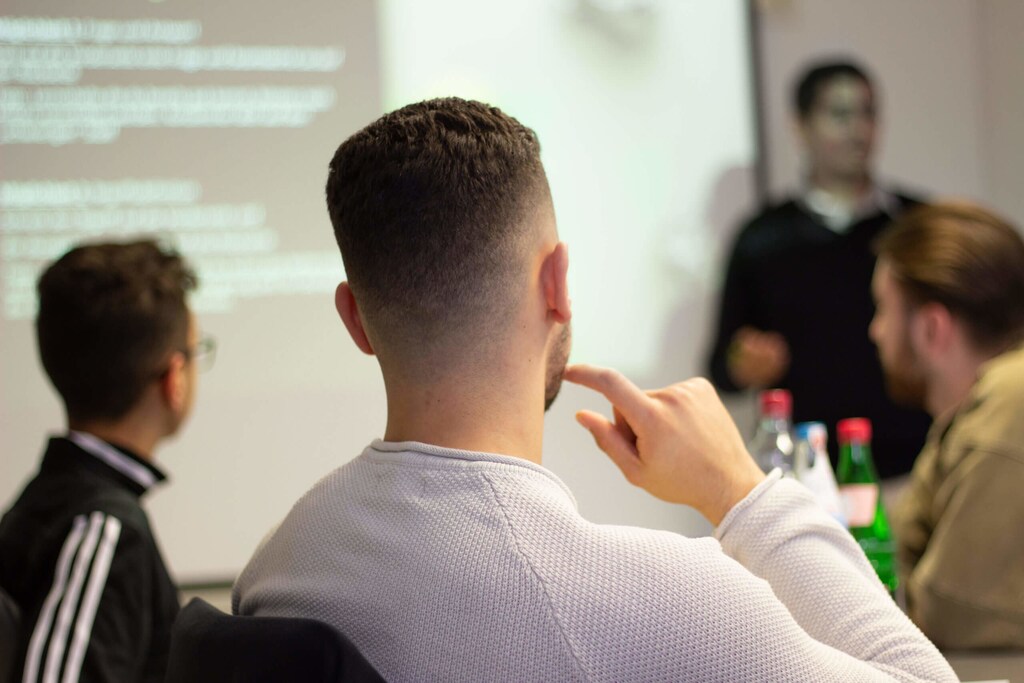
Access to resources also plays a key role. Leaders like Isidora Randjelović, also in Germany, are working to equip their own communities with the tools and mentorship they need to take charge.
Through her organization RomaniPhen, Randjelović is training teachers and other professionals to support Romani and Sinti women as teachers of their own history, building a feminist movement of Romani women across Europe. As a Roma herself, Randjelović illustrates the effectiveness of proximate leaders, who create change from within a community most affected by an issue.
Most importantly, all these innovators are working to raise awareness among the communities they serve about their power to solve problems and make change, restoring agency to historically marginalized groups and creating new pathways for leadership and impact.
2. Building collaborative spaces
Innovators also operate as social architects, designing new spaces for changemakers to connect, learn from one another and co-create solutions.
Take Tessy Britton, who is building a sense of community in UK neighbourhoods by making it easy for residents to take part in hands-on local projects in communal spaces, such as community meals and tree planting.
These spaces are designed intentionally to activate neighbours to dream of change and design projects together. Through her project Every One Every Day, neighbours have created 21,000 new participation opportunities in just one year and have reported increased trust in fellow community members.
Others use collaborative strategies to combat isolation, making sure the communities they work with feel cared for and psychologically safe. For instance, Jimmy Westerheim’s project The Human Aspect is a digital record of the lived experiences of those struggling with their mental health, enabling people to see and connect with others going through similar experiences.
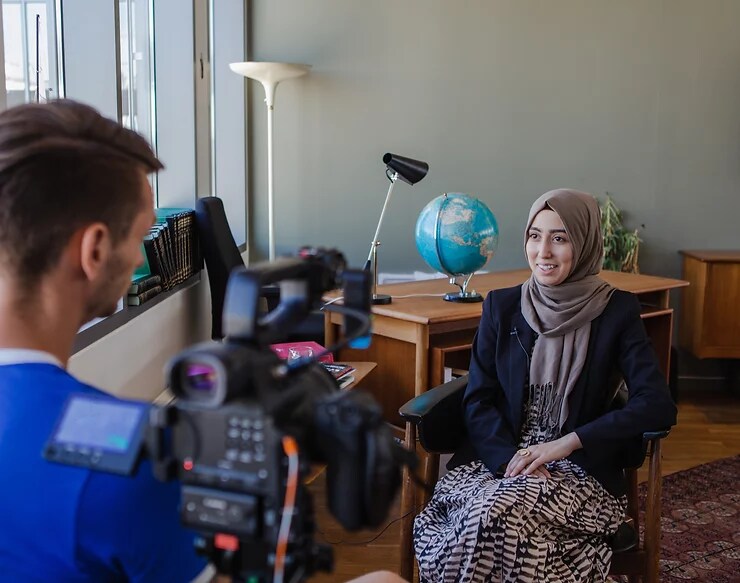
Interviews on his site have been viewed over 1.6 million times across six continents, and Westerheim is currently partnering with schools and universities in Norway to ensure students access to real-life illustrations of mental health struggles and relatable resources.
By reframing struggle as fundamentally human, Westerheim is creating a space for all those who have experienced mental health issues to feel seen, understood, and part of a community – all critical components of the supportive environments needed to enable changemaking.
Similarly, UK-based leader Hera Hussain is fostering a community of care through her online platform Chayn, a space for victims of gender-based violence that connects them with curated support and resources for identifying abuse.
Written by survivors for survivors, Chayn exemplifies the importance of elevating beneficiaries as co-leaders and the impact that can come from those who have experienced an issue co-creating a solution.
3. Building a new narrative: community members are changemakers
Perhaps most importantly, innovators are working to support their communities to build new identities around changemaking. They reframe differences as strengths and catalyze a mindset shift around what community members are capable of.
For instance, in Poland, Ewa Furgał founded Girls on the spectrum (Dziewczyny w spektrum) as a self-advocacy and peer support space for women and nonbinary and queer people on the autism spectrum.
Furgał is determined to shape a world where neurodiversity can flourish and where those on the spectrum can see a bright future and identify as contributors, rather than seeing themselves primarily as beneficiaries or people in need of aid.
How is the World Economic Forum promoting equality in the workplace?
The Future of Jobs Report 2023 found that 75% of companies surveyed expect to adopt AI, big data and cloud technologies in the next five years.
The Centre for the New Economy and Society provides a platform for leaders to share insights on the adoption and efficacy of new technologies, and the readiness of the workforce to use them. Our work includes developing insights and dialogue on growth, jobs, skills, equity and risks.
Learn more about our impact:
Gender parity: Since 2006, we have annually measured the state and evolution of gender parity in 101 economies, supporting decision-makers to identify the most effective policies to close gender gaps. In Chile, we helped establish gender parity accelerators and benefitted 728,000 women – reducing the gender gap by 37% in the participating companies.
Reskilling Revolution: With our partners, we are helping the global workforce future-proof their careers, working with over 350 organizations to provide 1 billion people with better education, skills and economic opportunities by 2030.
Disability inclusion: Working with the Valuable500, we are collaborating with the largest global network of CEOs committed to closing the disability inclusion gap. Members are making progress by increasing the adoption of digital accessibility best practices and including disability in diversity, equity and inclusion strategies.
Racial justice: We are collaborating with a global coalition of 55 organizations in 13 industries who are committed to building equitable and just workplaces for professionals from under-represented racial and ethnic identities.
Want to know more about our centre’s impact or get involved? Contact us.
Social entrepreneurs are also creating opportunities for community healing through projects like The 4Front Project, an initiative led by Temi Mwale to affirm and amplify the stories of those who have experienced violence and trauma due to systemic racism.
Through her work, survivors of violence begin to perceive themselves as change leaders with the ability to impact others. This mindset shift leads to further transformation beyond their group.
For example, 4Front members have worked with a local council to change the way police treat bystanders in crisis moments, as well as working with two law firms to help judges understand the impact of trauma caused by systemic racism when considering cases.
We need to equip people to be changemakers
It has become clear that in our interconnected world, we cannot achieve the changes we need with old impact frameworks. It is vital for everyone to have the ability and space available to solve issues close to them.
This is why these and more leading social entrepreneurs will be gathering this November 29-30 to connect and learn from each other at the annual Ashoka Changemaker Summit, held in Brussels.
Because by working together we can help build a world where everyone is a changemaker and, therefore, a world where everyone can thrive.