This is episode 6 in a 10-part podcast series that will introduce listeners to the thinkers, entrepreneurs, and innovators who are already spotting the risks ahead, and seeking to guide humanity towards the land of ease and plenty that some believe is now within reach.
Episode 6 - Beyond Human?
Episode 1 - What is the Fourth Industrial Revolution?
Episode 2 - Artificial Intelligence and you
Episode 3 - A Revolution for the Environment?
Episode 4 - Education for the Fourth Industrial Revolution
Episode 5 - Regulation for the Fourth Industrial Revolution
New episodes will be published every Tuesday from January 23, 2018 through March 6 on iTunes, Spotify and SoundCloud.
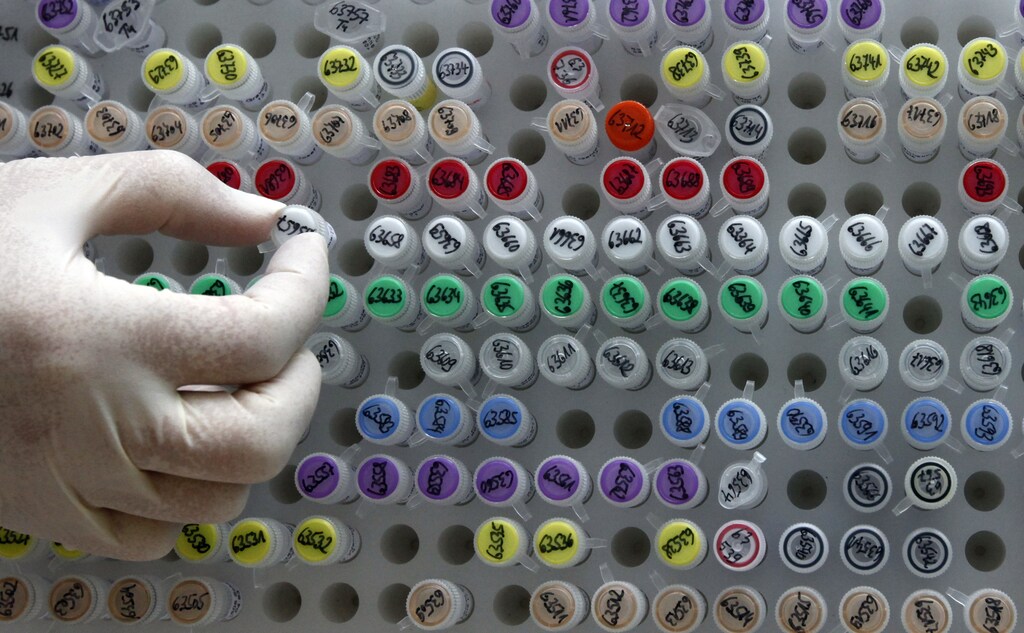
With advances in genetic engineering, neuroscience, pharmaceuticals and prosthetics, are we poised to enter a ‘post-human’ era? Will we jettison the limits nature imposed, even up to mortality itself? If so, to what end? Who will have access to these powerful tools, and what will become of those that do not?
For episode 6 of ‘Shaping the Fourth Industrial Revolution’, we enter an ethical minefield with Rob Sparrow of Monash University, Melbourne; James Hughes, Executive Director of the Institute for Ethics and Emerging Technologies; Nita Farahany, Professor of Law and Philosophy at Duke University; Aldo Faisal, Senior Lecturer in Neurotechnology at Imperial College London; Lord Martin Rees, United Kingdom Astronomer Royal and founder of the Centre for the Study of Existential Risk; and Meghan O’Gieblyn, a writer and journalist.