Housing alone cannot solve today's affordability crisis; cities must reduce the total cost of living for households.
Better housing policy focuses on preventing instability before families reach crisis – not simply responding after the fact.
The most resilient cities treat housing, transportation, public space and economic opportunity as one interconnected system.
For years, the global conversation around affordability has focused on one question: How do we build more housing? It is the right question – but not the only one.
Drawing on Habitat for Humanity International's global work advancing housing solutions and DIALOG's experience designing cities and communities, Jonathan Reckford and Antonio Gómez-Palacio argue that today's affordability crisis is fundamentally a liveability crisis.
Addressing it requires not only increasing the supply of housing, but also creating communities where transportation, healthcare, education, jobs and other essential services are accessible and affordable – reducing the overall cost of living for households rather than simply the cost of shelter.
Their conversation also points to a broader shift in thinking. Effective housing policy is not simply about responding once families have fallen into crisis; it is about preventing temporary setbacks from becoming permanent ones through strategic planning, targeted investments and stronger community support systems.
Here Reckford, CEO for Habitat for Humanity International, and Gómez-Palacio, Chair of DIALOG, explore why solving the affordability crisis requires reimagining housing not as a standalone policy challenge, but as the foundation of healthier, more resilient and more prosperous communities.
Housing has become a defining global challenge. What's changed?
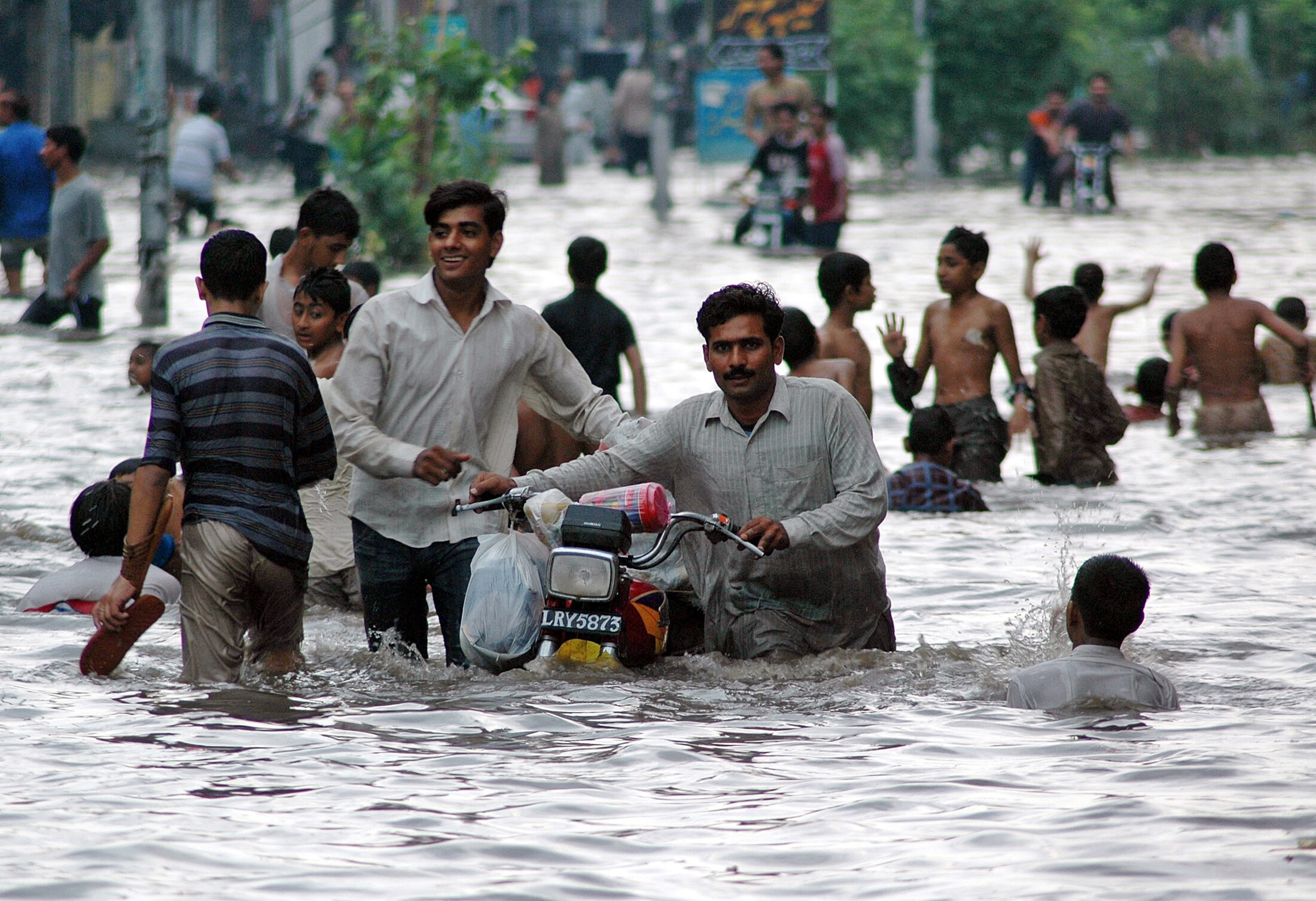
Jonathan Reckford: The bad news is that we're facing the worst global housing crisis in modern history. The gap between what families can afford and what it costs to create housing is wider than it's been in decades. But if there's any silver lining, it's that housing is finally at the top of the global agenda.
One in three people now live in inadequate housing, and the global shortfall exceeds 280 million homes. Yet for the first time, housing was the central focus of the World Urban Forum. Governments, businesses and communities are recognizing that housing isn't simply another policy issue – it's foundational.
Housing affects health. It affects education. It affects livelihoods, economic development and ultimately human dignity. The question isn't simply how we build more homes. It's where we build them, how they connect to opportunity and how they fit into the broader systems that make cities work.
Antonio, you've suggested we're framing the problem too narrowly. Why?
Antonio Gómez-Palacio: Because families don't experience life in silos. When my wife and I arrived in Canada as students, we weren't choosing between affordable and unaffordable housing. We were choosing between paying rent, owning a car, accessing healthcare and having enough left over to enjoy life. Those aren't separate decisions – they're one decision.
Families experience the total cost of living, not just the cost of shelter. So why do we continue designing policies as though housing, transportation, healthcare and economic opportunity aren’t interconnected?
It's not simply that we need affordable housing. We need affordable cities.
Habitat recently introduced a Global Housing Continuum. Why does that matter?
Jonathan Reckford: For too long, we've talked about housing as though there are only two conditions: you're either homeless or permanently housed. But that's not how most people experience housing.
Many families improve their homes incrementally over time. Others need transitional support. Others need social housing. Others participate in the market.
That's why we introduced the Global Housing Continuum – to give policy-makers, practitioners and investors a shared language for understanding the full spectrum of housing needs. Housing isn't a binary issue. It's a continuum, and people move along it throughout their lives.
Antonio Gómez-Palacio: The same is true of affordability. Most people don't need permanent assistance. They need support at the right moment. We often wait until a crisis becomes catastrophic before we intervene. Yet many crises could have been prevented with relatively modest investments upstream.
We know preventing illness is far more effective than treating it after the fact. Housing should be approached the same way.
Both of you have emphasized preventing crises rather than simply responding to them. What does that look like in practice?
Antonio Gómez-Palacio: We are very good at reacting to extremes. Someone loses their home. Someone experiences homelessness. A neighbourhood deteriorates. Then we mobilize enormous resources.
But we're much less effective at helping families during periods of vulnerability – keeping someone housed after a temporary loss of income, helping someone make small improvements to remain safely in their home, or creating support systems before instability becomes a crisis. Those interventions are often relatively small, but they prevent much larger social and economic costs later.
Jonathan Reckford: We've seen that repeatedly. Research in the United States has shown that once families are evicted, they're much more likely to fall into long-term poverty. It's not simply that poverty causes housing instability. Losing stable housing often accelerates everything that follows.
Governments spend enormous amounts treating illnesses that are rooted in poor housing conditions. Improving housing quality can reduce healthcare costs while improving people's lives.
That's what a systems approach looks like.
What can cities learn from places that are already making progress?
Antonio Gómez-Palacio: No city is perfect. Problems may be global, but solutions will always be bespoke.
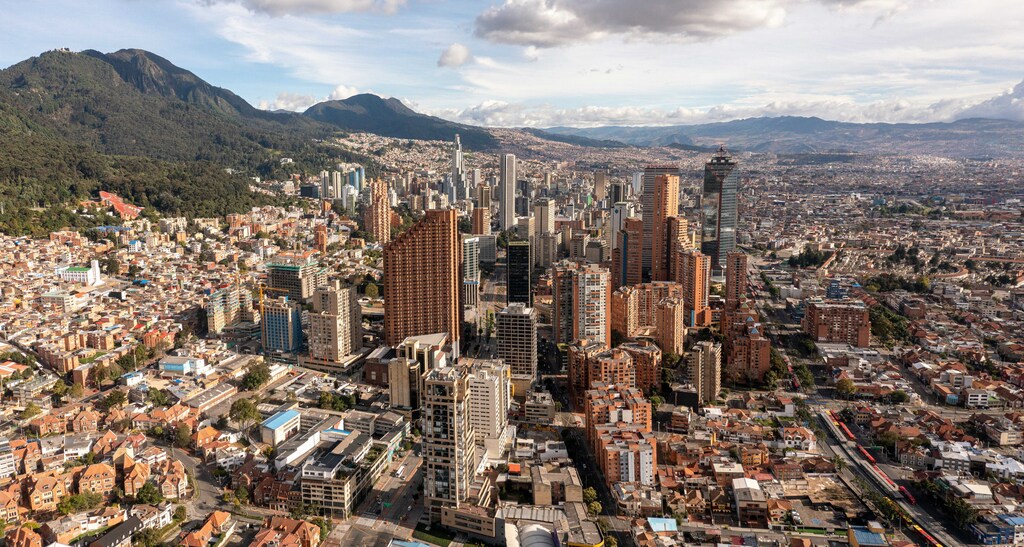
Still, there are remarkable examples. Columbia’s Bogotá transformed quality of life by investing in public space. Curitiba in Brazil treated public transportation as essential civic infrastructure rather than a service only for those who couldn't afford cars. In Mexico City, one community transformed itself with something as simple as paint. By improving public pride and dignity, residents began investing in their homes, building childcare centres and strengthening social networks.
Sometimes relatively modest interventions create profound social change because they strengthen people's connection to place.
Jonathan Reckford: I'd add Tokyo. Tokyo has continued building housing while enabling neighbourhoods to evolve over time instead of freezing development. It has consistently made it possible to adapt.
Elsewhere we've seen equally powerful examples through incremental housing improvements. In Latin America, simply replacing dirt floors with concrete dramatically improved children's health and encouraged families to continue investing in their homes.
In Kenya, relatively inexpensive improvements like screened windows and insulated roofs significantly reduced malaria exposure while making homes more comfortable.
Many cities are pursuing denser, more walkable neighbourhoods. What should they avoid?
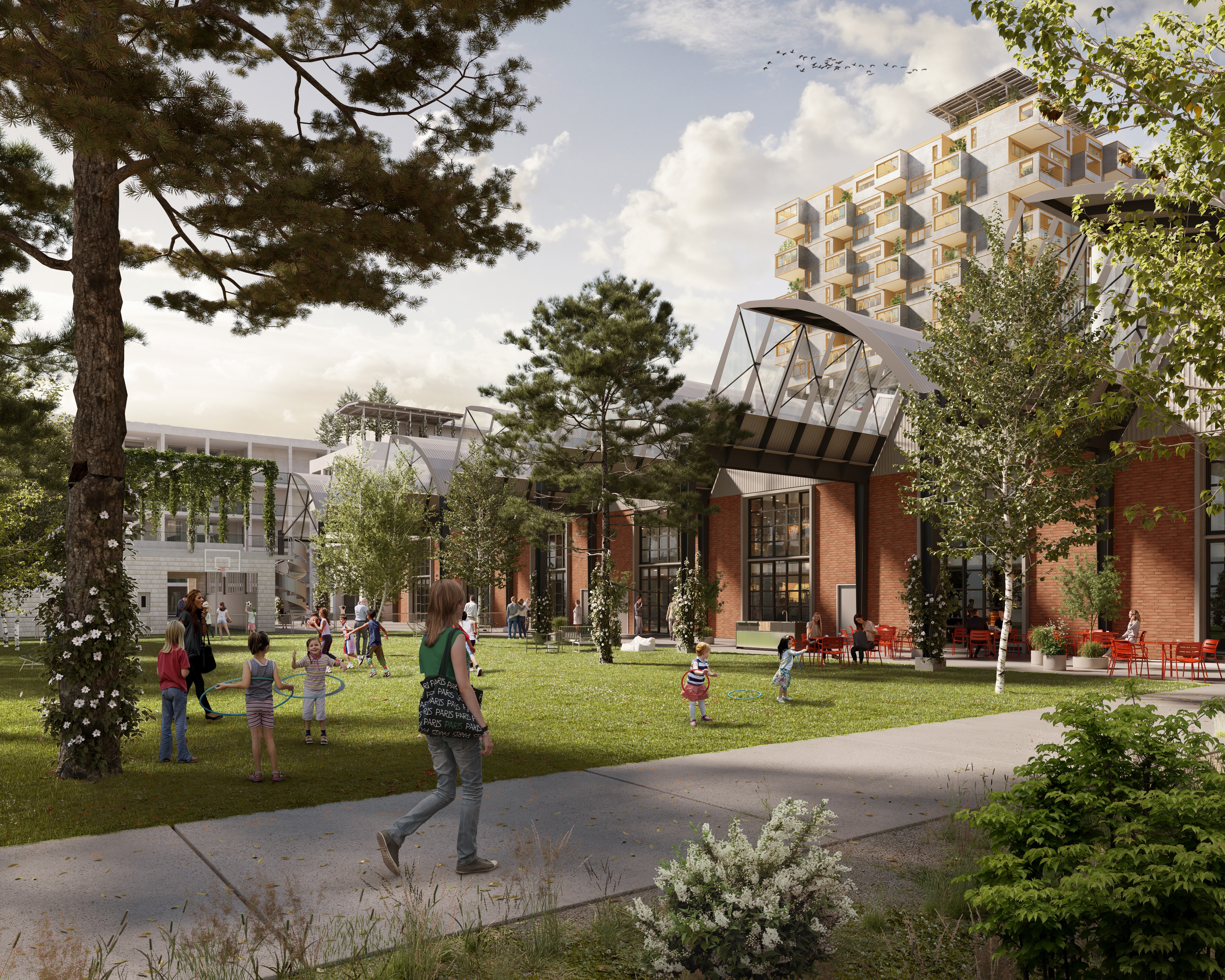
Jonathan Reckford: Density isn't the goal. Opportunity is. Historically, cities were mixed-income and mixed-use because everyone needed to live close to work. Over time we've created economically segregated cities. Wealthier households live in one place, lower-income households somewhere else, often far from jobs, schools and services.
That isn't good for families. It isn't good for economic mobility. And it isn't good for cities. Creating mixed-income communities isn't simply a housing strategy – it's a resilience strategy.
Antonio Gómez-Palacio: Exactly. Affordable housing located far from transportation, healthcare, education and employment isn't truly affordable. We should think less about individual buildings and more about the complete environments people depend on every day.
What role should governments play if no single sector can solve this challenge alone?
Jonathan Reckford: Governments don’t necessarily have to build every home. But they do have to create the conditions that allow housing to happen. That means investing in infrastructure. Creating clear land-use policies. Aligning transportation with housing. Making it easier – not harder – to build where growth makes sense.
The private sector has the capacity to build at scale. Civil society understands community needs. Government creates the enabling environment that allows both to succeed.
Antonio Gómez-Palacio: And governments can become much more strategic with the resources they already have. Instead of spreading investments evenly across entire cities, we can apply an equity lens.
When Toronto asked us to develop thermal comfort guidelines, we focused first on neighbourhoods where extreme heat posed the greatest risk – low-income communities, schools and seniors' residences. The investment became smaller. The impact became larger.
Housing is often discussed as a financial asset. How do we balance affordability with opportunity?
Antonio Gómez-Palacio: This is one of the most difficult questions. For many families, a home represents the largest asset they will ever own. I'm cautious about approaches that permanently disconnect housing from wealth creation because ownership and stable tenure has historically helped families build resilience and break cycles of poverty.

Perhaps public investment should focus more on the surrounding infrastructure – transit, parks, economic development and public services – while allowing housing itself to remain a vehicle for opportunity.
Jonathan Reckford: I agree with that tension. Homeownership has been one of the most important pathways to wealth creation for lower-income families.
At the same time, cities need to preserve affordability over generations. The challenge is designing markets that create opportunity without permanently pricing future generations out.
If readers take away one message, what should it be?
Jonathan Reckford: Housing is one of the few issues that connects almost every other priority society cares about – health, education, climate resilience, productivity and economic opportunity. That's why solving today's affordability crisis requires more than building more homes. It requires building communities where people can thrive.
Antonio Gómez-Palacio: Families never experience housing, transportation, healthcare, education and employment as separate challenges. Why do we continue designing policies as though they are? Affordability isn't about one building. It's about the ecosystem that surrounds everyday life.