The world generated 62 million tonnes of e-waste in 2022. That’s 7.8 kg for every person on the planet. The e-waste generated annually contains 31 million tonnes of metals with an estimated value of $91 billion. Globally, the energy transition will require huge increases in the supply of metals and mineralsas they are critical to many clean energy technologies.
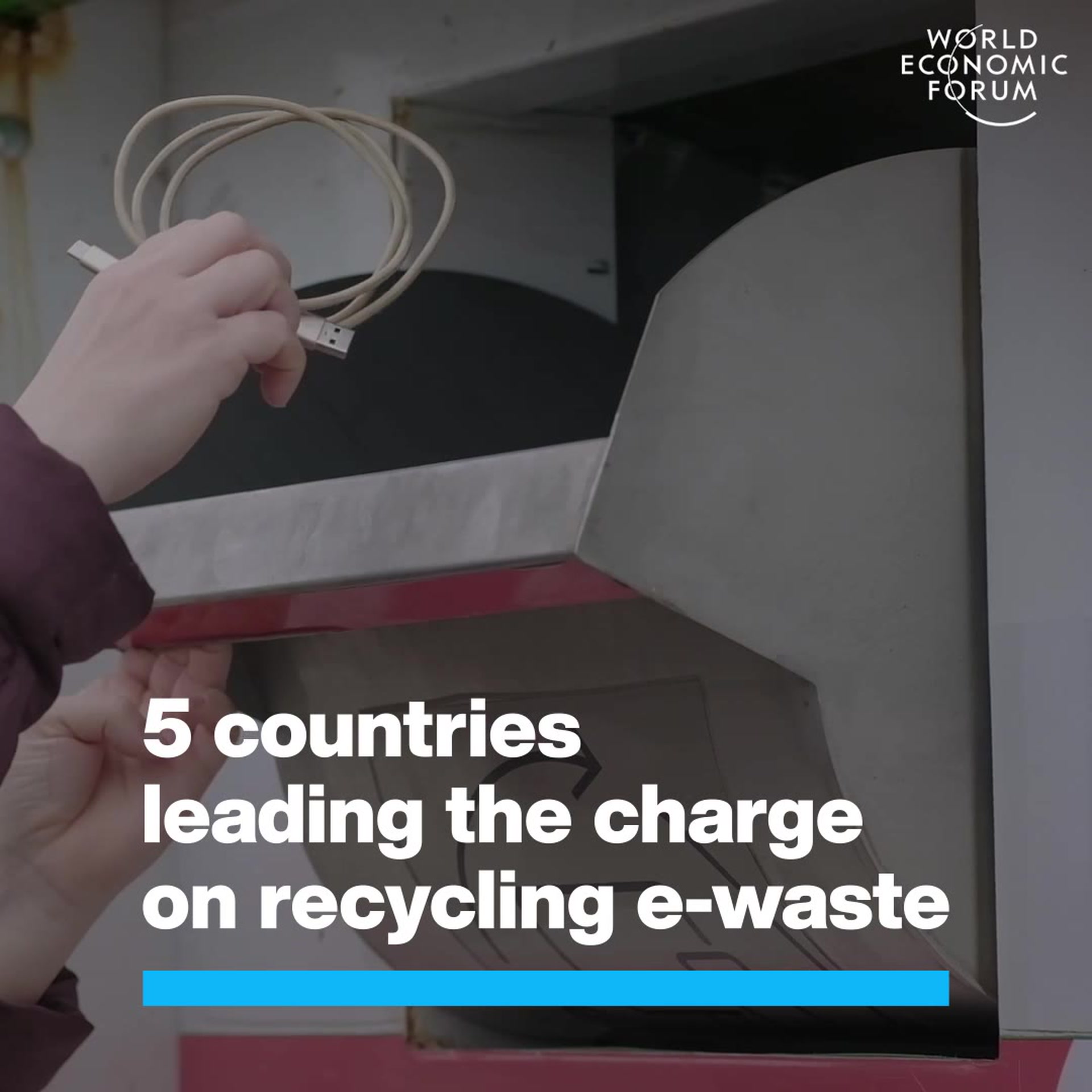
The world generates a staggering amount of electronic waste, or e-waste, each year. This growing problem demands innovative solutions. Here's how these 5 countries are leading the charge in developing effective e-waste recycling programs.
Innovative solutions for recycling e-waste
Let's have a look at the unique approaches developed by these countries:
Côte d'Ivoire: Create Lab empowers citizens with e-waste repair skills and teaches responsible disposal methods.
California: Consumers pay an "advance recycling fee" to fund a statewide e-waste management system.
Colombia: A national network of collection points makes e-waste recycling accessible.
Taiwan, China: Manufacturers design electronics for recyclability and take responsibility for collection and disposal.
Kazakhstan: A new law mandates separate e-waste collection and proper recycling.
Global efforts are required
The global e-waste crisis demands innovative solutions. The examples highlighted here showcase a variety of promising approaches, from empowering citizens with repair skills to legislative mandates.
By implementing these and other creative strategies, we can turn the tide on e-waste and recover valuable resources for a more sustainable future.