Despite the clinical-sounding name, climate anxiety isn’t a mental illness, but a natural response to a global threat, say experts.
While the term "climate anxiety" might sound clinical, experts assure it's not a mental illness, but rather a natural response to the global threat of climate change. It's an umbrella term encompassing various negative emotions like distress, anxiety, worry, and even terror and panic.
Impact of climate anxiety on life choices
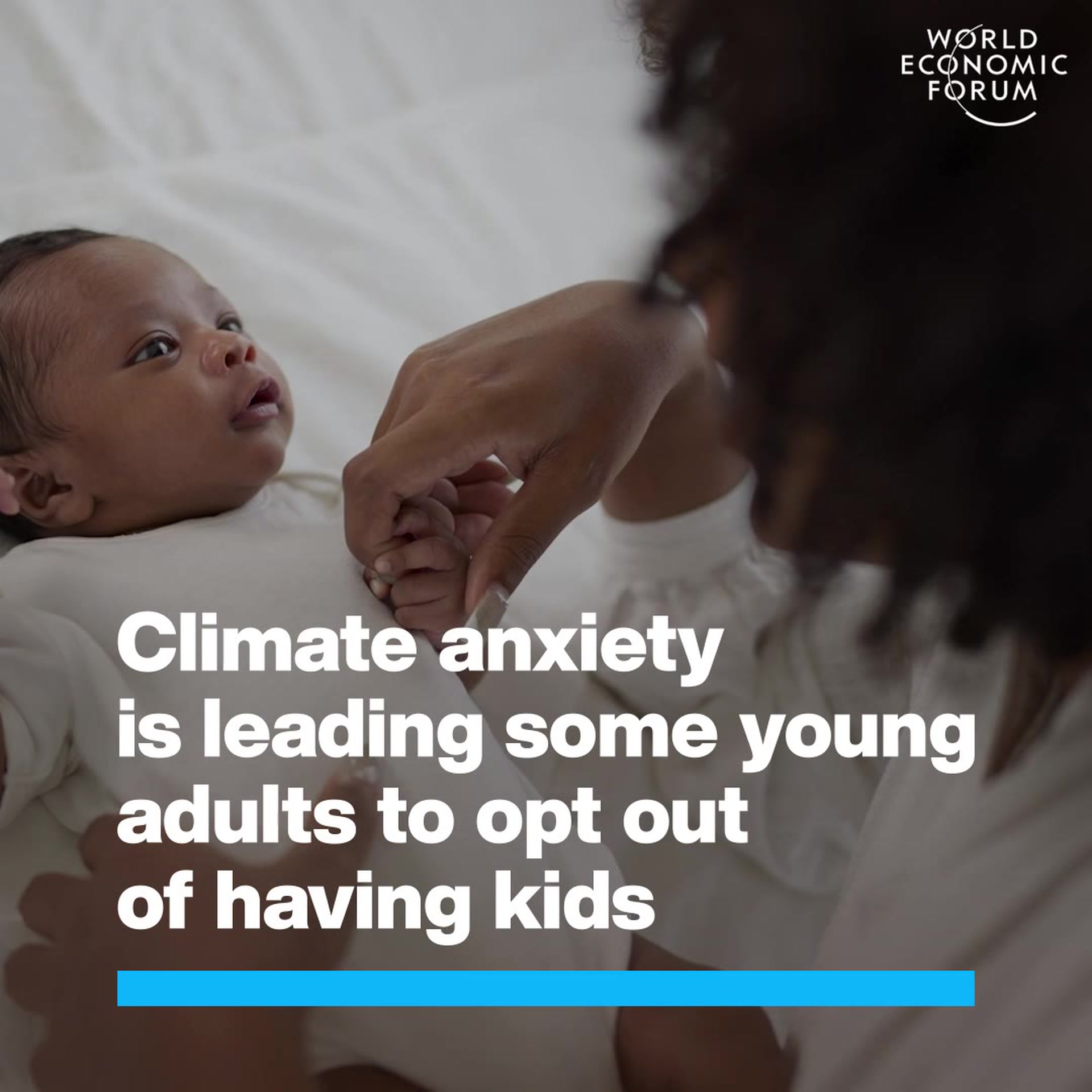
Climate anxiety can significantly impact personal decisions, particularly for young people. Research shows 39% of young people globally are hesitant about having children due to concerns about the future climate. This is evident in movements like the "No Future No Children" campaign, where young people refuse to procreate until adequate climate action is taken.
Potential consequences
Left unaddressed, climate anxiety can lead to severe issues like panic attacks, sleep problems, and even eating disorders stemming from carbon footprint concerns.
The growing crisis
Climate disasters are becoming increasingly frequent. While the US experienced a major climate disaster every 4 months in the 1980s, this frequency has skyrocketed to once every 3 weeks between 2018 and 2022.
Climate anxiety, despite its challenges, can be a powerful catalyst for change. The key lies in finding ways to manage it effectively.