Waste greywater collected from buildings’ shower and laundry systems can be reused for irrigation or to flush urinals and toilets to conserve water.
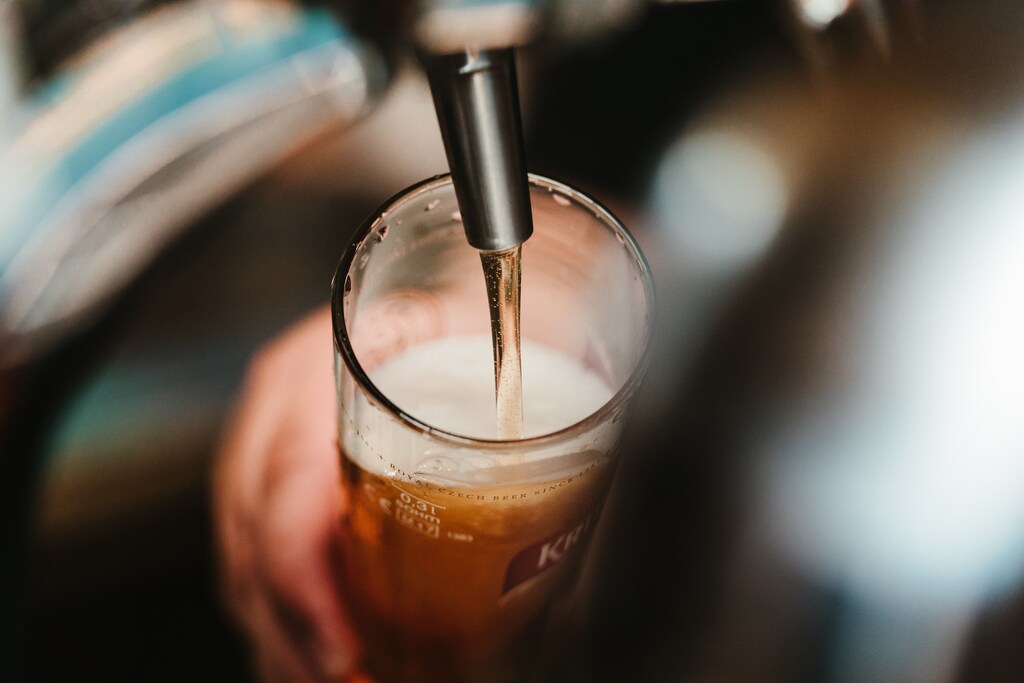
2,000 gallons of treated greywater was turned into beer for delegates at the world’s biggest sustainable building conference to demonstrate its uses.
In an increasingly water-stressed world, onsite water reuse systems could become a useful tool to make cities more sustainable.
Imagine a cool, refreshing glass of beer: malt, hops, yeast and the key ingredient … recycled wastewater from a 40-story luxury high-rise apartment building.
This unique beer-making approach was the brainchild of a San Francisco-based water management and reuse company called Epic Cleantec, which wanted to make a point about water sustainability in building designs.
Globally, people in buildings consume 14% of the planet’s potable water resources, with little reused. Having Greenbuild in town, the world’s largest sustainable building conference, the opportunity to distribute cans of Epic OneWater Brew to delegates and highlight the benefits of reusing wastewater from buildings was too good to miss.

Enlisting the help of a local brewery, 2,000 gallons of recycled greywater from the Fifteen Fifty luxury apartment building in San Francisco was converted into beer.
The building is fitted with a greywater recycling system designed to collect and reuse 7,500 gallons of water per day, from sources like laundry and shower systems. Once treated to remove contaminants, the harvested greywater is reused for things like irrigation or flushing the building’s toilets and urinals.
However, the system uses state-of-the-art purification technology, so once processed, water collected for reuse meets or exceeds federal standards for potable water.
What is the World Economic Forum doing to promote sustainable urban development?
Cities are responsible for 75% of global greenhouse gas emissions and are home to over half of the world’s population—a number that will grow to two-thirds by 2050. By prioritizing cleaner energy, cities could contribute more than half of the emissions cuts needed to keep global warming to less than 2°c, which would be in line with the Paris Agreement.

To achieve net-zero and nature-positive cities and communities by 2050, the World Economic Forum is partnering with public and private sector stakeholders on initiatives that drive global ambition through local action. Here are just a few:
Davos Baukultur Alliance: Advancing high-quality planning, construction and management of buildings, infrastructure, and public spaces using principles based on climate resilience, sustainability and circularity in the built environment. Learn more.
Global New Mobility Coalition: Exploring new solutions to reduce congestion and emissions, enhance EV infrastructure and transform urban mobility and deliveries. Learn more.
Alliance for Urban Innovation: Connecting innovators and entrepreneurs to new markets and opportunities that reimagine and reshape quality of life and local economies. Learn more.
G20 Global Smart Cities Alliance: Accelerating intelligent, practical solutions to build climate resilience, enhance public well-being and tackle the most pressing challenges facing cities and local communities. Learn more.
Future of Travel and Tourism: Driving inclusive and sustainable economic growth while preserving cultural heritage and protecting natural ecosystems. Learn more..
Discover how you can be a part of our efforts to create more sustainable and livable cities and communities. Contact us here.
Collect, recycle, reuse - wastewater
Pioneering legislation known as the Onsite Water Reuse Program has been enforced by the San Francisco Public Utilities Commission, which requires new large-scale local development projects to be fitted with water reuse systems.
And, while few states are yet to implement large-scale onsite water reuse programmes, a National Water Reuse Action Plan has been developed by US federal and state agencies working in collaboration with local communities and water sector stakeholders to scale up adoption of water reuse systems, according to the US Environmental Protection Agency.
Legislation and systems that facilitate reuse of wastewater could help already water-stressed towns and cities cope, especially during heatwaves or periods of drought.
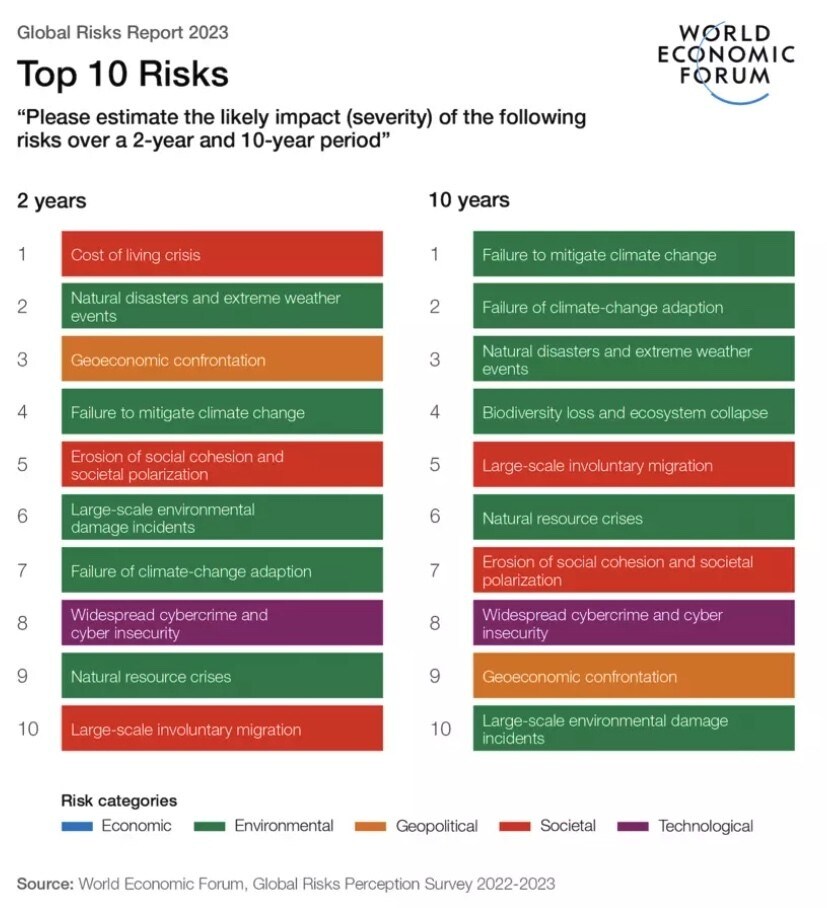
Global water scarcity is a growing challenge, which is part of a wider natural resource crisis that ranks at No 6 in the World Economic Forum’s latest Global Risks Report, an index of threats to the world in the coming decade.
As urban areas around the world become more challenging to live in due to water stress, a Forum briefing paper titled Imagine If: Water Series aims to inspire, provoke and invite new ideas and concepts on building a circular water economy to promote cleaner, greener and healthier future cities.

The United Nations estimates the planet’s population will reach 9.7 billion by 2050, up from 8 billion today. As the global population continues to grow and migrate to cities, the need to use water more wisely is increasingly urgent. This underlines the importance of reducing water use in buildings and reusing potable water – but not just to brew beer.
Epic Cleantec is a winner of UpLink and HCL Group's Global Freshwater Challenge.
UpLink, the World Economic Forum’s early-stage innovation initiative, is enabling and accelerating the purpose-driven entrepreneurs that are essential for a net-zero, nature-positive, and equitable future. To find out more and join the UpLink community, click here.