Opinion
Why South Africa’s cost-of-living crisis is also a water, energy and food crisis
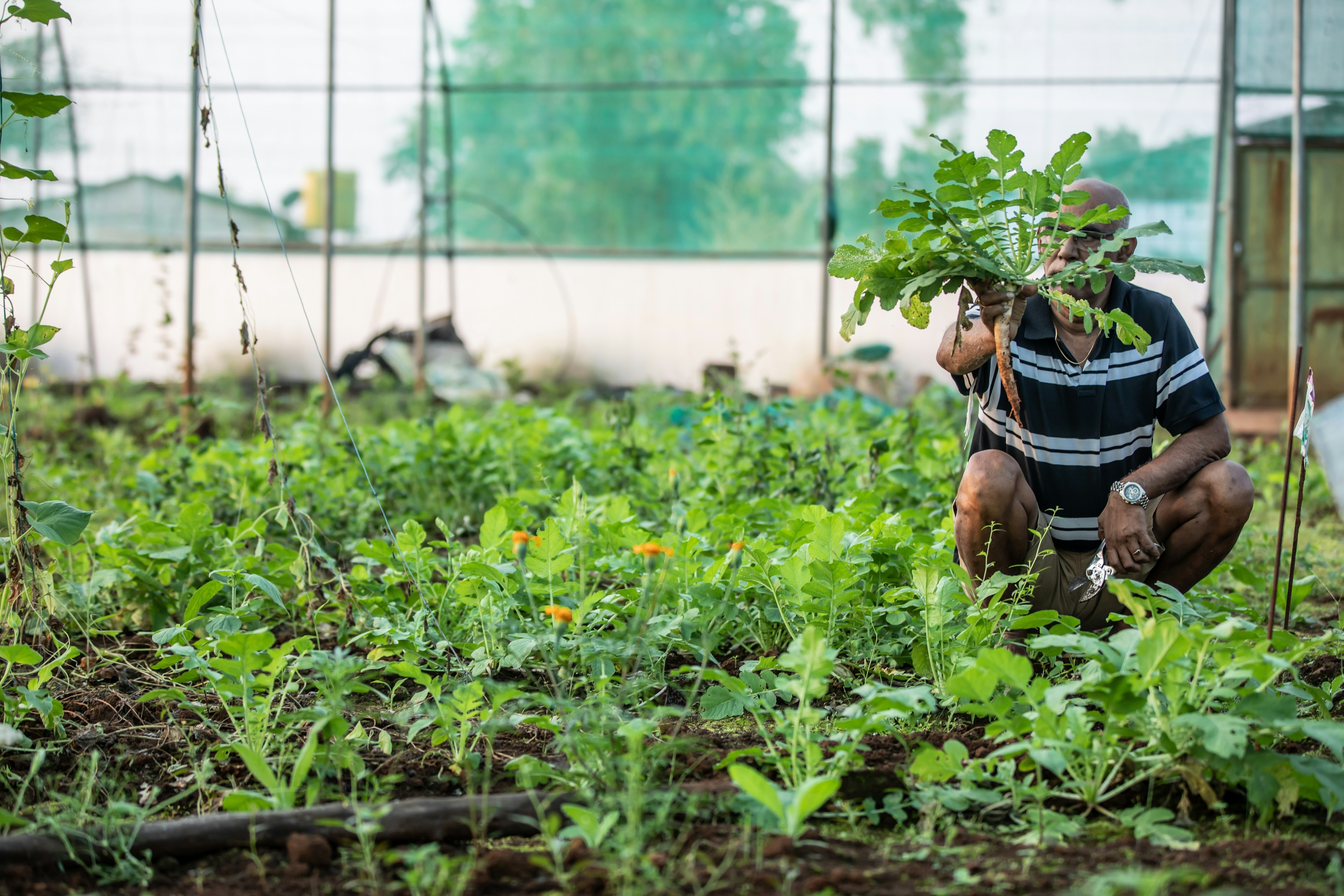
Farming is both water- and energy-intensive and, as food prices rise, a cost-of-living crisis is affecting families across South Africa. Image: Unsplash / Anil Sharma
Tafadzwanashe Mabhaudhi
Professor of Climate Change, Food Systems, and Health, London School of Hygiene and Tropical Medicine- In South Africa, the cost of living is rising faster than inflation, putting pressure on families trying to pay for food, energy, water, transport and education.
- But this crisis is not driven by a single sector, it’s shaped by the interconnected dynamics of water, energy and food systems.
- Solutions must recognise people’s lived experience of the economy and involve coordinated, cross-sectoral policymaking to ensure no one is left behind.
South African households are feeling the pressure, according to the 2026 Cost of Living Report by South Africa’s Competition Commission. Interest rates are rising, as are utility, housing, transport and healthcare costs, not to mention the growing unaffordability of basic education.
These pressures are tightening household budgets and creating a difficult environment for saving and investing too, particularly since the average South African household saving rate was -1.20% of disposable income in 2025, meaning many people are spending more than they're saving.
For middle- and low-income households, the situation is especially difficult. Right now, 66.81% of low-income households’ expenditure goes towards basic necessities – food and non-alcoholic beverages (40.71%), and housing and utilities (26.1%).
But this crisis is not driven by a single sector. Rather, it’s shaped by the interconnected dynamics of water, energy and food systems. Disruptions in one system ripple through the others, affecting people and the planet.
These interdependencies mean South Africa's cost-of-living crisis must be viewed through a systems lens rather than as isolated sector-specific challenges.
Energy and water costs affect what’s on your plate
Energy – especially electricity and fuel – lies at the heart of this crisis. Over the past five years, electricity prices have increased by approximately 85%, for example, while the average household income has declined by 0.9%.
Eskom, South Africa’s state-owned power utility, provides electricity to 8.3 million households in South Africa. It attributes rising electricity costs to high debt burdens, infrastructure investment requirements and persistent inefficiencies linked to poor plant performance. South Africa’s reliance on imported fuel also leaves the sector highly vulnerable to global energy price shocks.
Fuel price hikes affect transportation costs and mechanization expenses in agriculture. Similarly, rising electricity costs affect both production and post-production processes such as irrigation, greenhouse operations, food processing and cold storage. Consequently, higher energy costs are reflected in increased prices of staple foods such as bread, eggs and poultry.
Water prices further exacerbate food inflation. South Africa is one of the driest countries in the world. It imports water through the Lesotho Highlands Water Project. But since irrigated agriculture accounts for approximately 62% of total water consumption, the industry is highly susceptible to water price fluctuations.
Electricity systems also require water for cooling systems, fuel extraction and processing, and emission control technologies. So, water price increases feed through to electricity generation costs. And since water treatment and distribution are also energy-intensive, they constitute approximately 17% of energy consumed in South African municipalities.
This vicious circle of rising water and energy costs is being further exacerbated by the development of data centres in South Africa. A recent report by the United Nations University Institute on Water, Environment and Health warns this will increase water, land, energy and critical minerals demand, posing additional pressures on countries such as South Africa that are already experiencing constraints.
These interactions constitute the water-energy-food nexus, a framework that recognizes the interconnected nature of these systems and the risk of managing them in isolation. The interconnected nature of these systems further highlights the need for nexus approaches and systems leadership to anticipate, plan for and manage trade-offs.
What's driving South Africa’s affordability crisis?
The drivers of the affordability crisis are often viewed from a demand perspective – population growth and rapid urbanization. But the Cost of Living Report suggests that infrastructure and environmental factors are equally critical.
Climate change – through droughts, floods and bioclimatic shocks – drives food price increases by inducing severe supply disruptions. The possible return of El Niño in the 2026/27 agricultural season, for example, is expected to cause droughts that reduce agricultural output and raise food prices in South Africa.
While these climate shocks temporarily inflate production costs, the report highlights that, even after shocks subside and production costs normalise, consumer prices often remain "sticky" – rarely declining to pre-crisis levels. Further, climate change also damages infrastructure critical to water, energy and food systems. When combined with poor maintenance or systemic neglect, service delivery becomes less efficient and more expensive for the longer term.
More fundamentally, the report identifies municipal and retail markups as the primary factors driving high prices. These charges vary widely across the country and often increase faster than inflation. This highlights a disconnect between policy instruments designed to manage resources and the on-the-ground realities of people’s livelihoods and affordability.
Why a nexus approach matters for policy
A water-energy-food nexus approach encourages integrated planning that considers cross-sectoral trade-offs and synergies.
Academic research shows that by developing frameworks and tools – as well as modelling the interactions between the water, energy and food sectors, including external drivers like climate change and anthropogenic activities – environmental and policy decisions can influence resource systems simultaneously. Think tanks have a unique opportunity to address the nexus. As many institutions still manage these sectors in siloes, think tanks can improve decision-making by developing nexus decision-infrastructure.
This systems-based approach strengthens the evidence base for more coordinated and effective resource planning.
Rather than isolating affordability from the systems that shape it, policies should account for household realities, including income levels, labour market conditions and regional economic disparities. Targeted economic incentives can be used to promote small-scale renewable energy adoption, such as rooftop solar with feed-in mechanisms, as well as to encourage resource efficiency and reuse practices across water and food systems.
Such interventions can help reduce dependence on volatile global energy markets while simultaneously lowering household and production costs.
Equally important is strengthening water and energy infrastructure to improve efficiency and reduce long-term operating costs and tariff pressures. Over time, this can help to stabilise prices, mitigating the sharp increases often experienced during periods of environmental or economic stress.
Ultimately, the value of a water-energy-food nexus approach lies in recognising people’s lived experience of the economy. Coordinated, cross-sectoral policymaking involving academia, government, industry and society is pivotal for managing trade-offs, improving accountability and ensuring that no one is left behind.
The Global Future Council on Energy Nexus shares ideas and examples through its Energy Nexus Insights series, comprising blogs, articles and infographics; guides for public and private sector decision-makers; and sector analyses.
Don't miss any update on this topic
Create a free account and access your personalized content collection with our latest publications and analyses.
License and Republishing
World Economic Forum articles may be republished in accordance with the Creative Commons Attribution-NonCommercial-NoDerivatives 4.0 International Public License, and in accordance with our Terms of Use.
The views expressed in this article are those of the author alone and not the World Economic Forum.
Stay up to date:
Water
Related topics:


Forum Stories newsletter
Bringing you weekly curated insights and analysis on the global issues that matter.
More on Food, Water and Clean AirSee all

Briana Zhen and Maen Mahfoud
September 23, 2026


