This monthly round-up brings you some of the latest news on cities and urbanization.
Top city and urbanization stories: Cities face 'climate whiplash'; a fifth of cities meet air-quality standards; land prices in Japan are rising.
For more on the World Economic Forum’s city-focused work, visit the Centre for Urban Transformation.
1. Cities face 'climate whiplash' - study
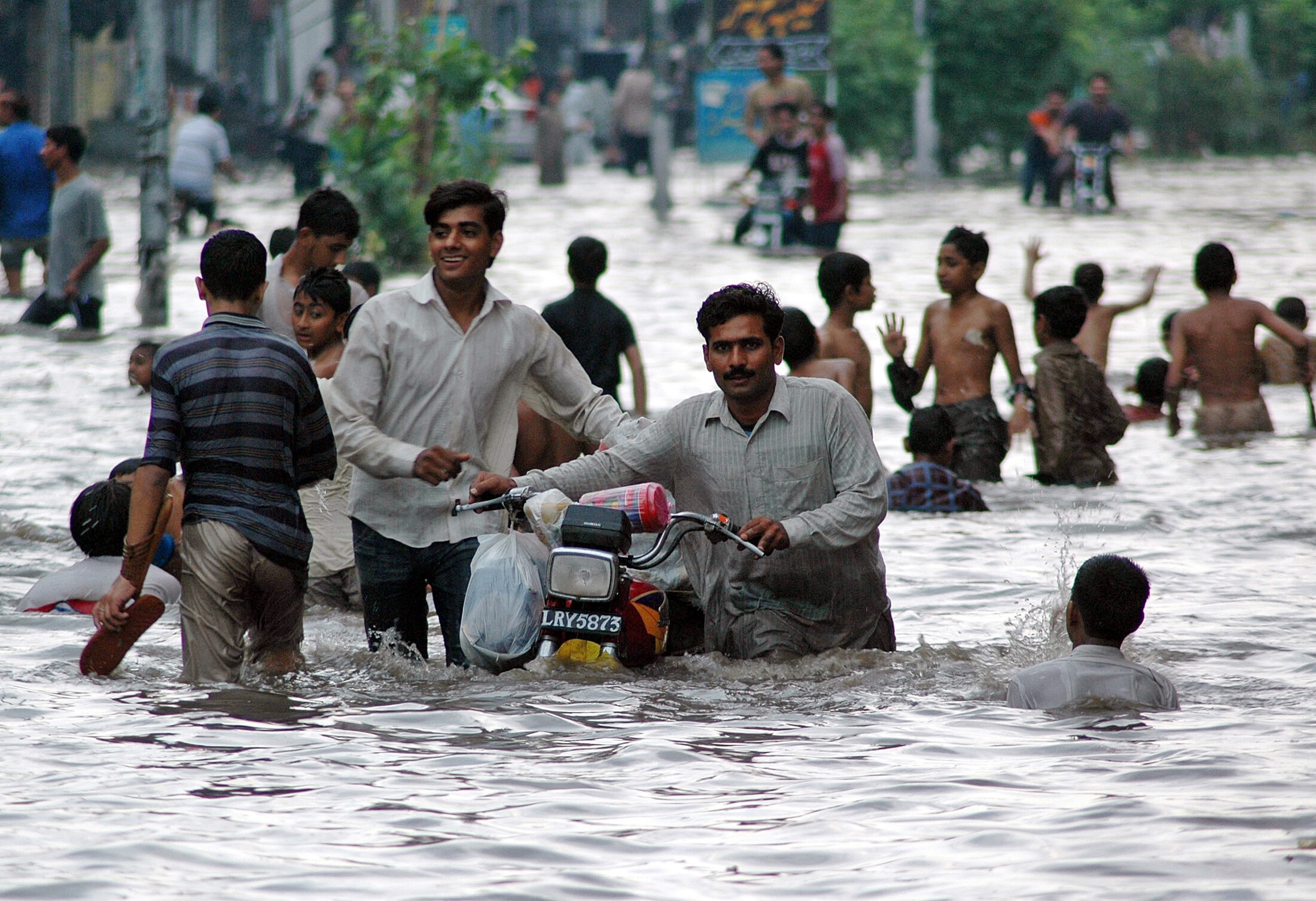
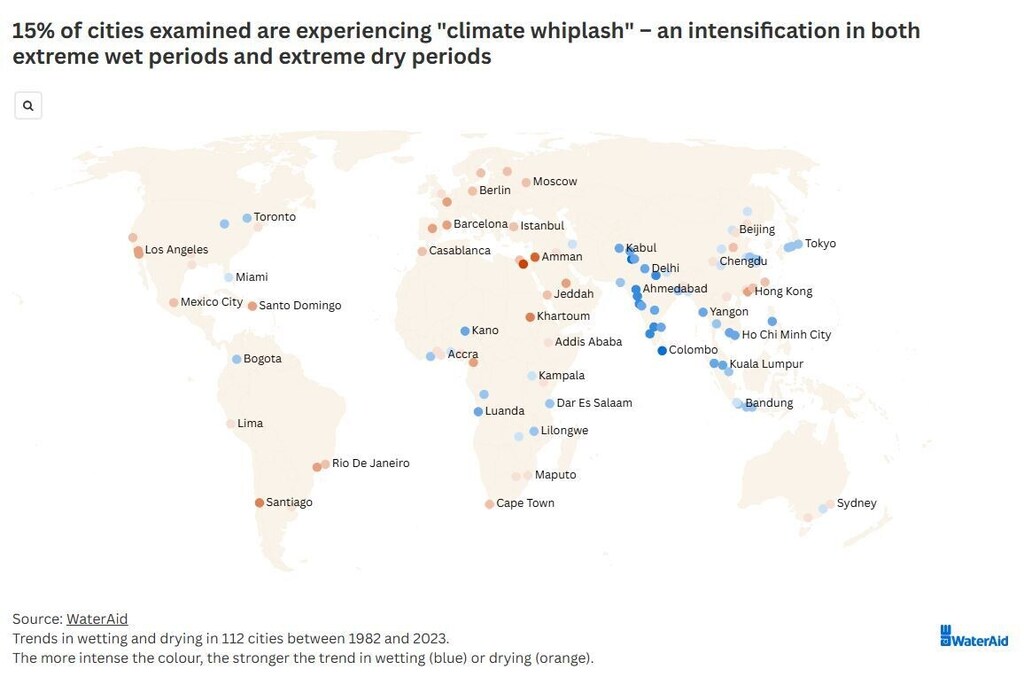
Cities worldwide are facing increasingly severe and frequent climate extremes, with many experiencing both floods and droughts in quick succession, according to a report from WaterAid.
This "climate whiplash" is expected to worsen as global temperatures rise, putting urban infrastructure and populations under immense stress.
China's eastern city of Hangzhou and Indonesia's capital of Jakarta topped the list of cities suffering from "climate whiplash", with around 15% of the cities surveyed also facing extreme flood and drought risks rising at the same time.
It came after more than 5,000 residents in Jakarta were forced to evacuate their homes due to severe flooding in March, which disrupted daily life, caused power outages and forced the closure of some roads.

2. Only 17% of cities breathe clean air
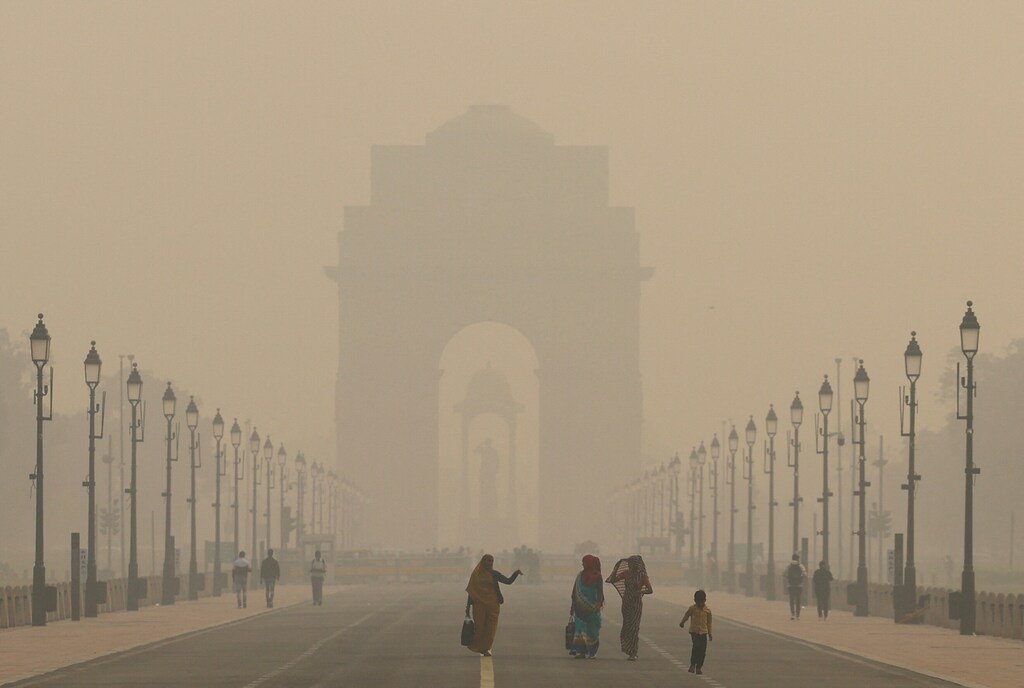
Less than a fifth of cities worldwide - and only seven countries - are meeting the World Health Organization's (WHO) air quality standards.
The most polluted city in 2024 was Byrnihat in India, which recorded an average PM2.5 level of 128.2 μg/m3 - over 25 times the WHO guideline, according to data from Swiss air quality monitoring firm IQAir.
Indian cities accounted for 11 of the top 20 most polluted urban areas globally, highlighting the severe air quality challenges faced by the country's metropolitan regions.
Cities in Chad, Bangladesh, Pakistan and the Democratic Republic of Congo also experienced dangerously high levels of pollution, with climate change adding to the issue.
3. News in brief: More top city stories
Japan's land prices experienced their most rapid surge in 34 years during 2024, with popular tourist destinations such as Kyoto and Osaka showing continued increases. This recovery is extending to other regional areas due to sustained economic growth, Reuters reports.
Gig workers in parts of India's southern state of Tamil Nadu will be offered a subsidy to buy e-scooters, as growing numbers of young people take on food and grocery deliveries.
The UK government has ordered an investigation into a fire at a substation that caused London's Heathrow airport to close for 18 hours, affecting thousands of passengers around the world and impacting supply chains.
Germany must build 320,000 new apartments each year by 2030 to address housing shortages, particularly in cities like Berlin, Munich and Frankfurt, according to a new study.
China's property slump continued in February, with official figures showing declines in prices, investment and sales. As new home prices dip 0.1% after two months of relative stability, policymakers are urging city-specific measures to stimulate demand, Reuters reports.
What is the World Economic Forum doing to promote sustainable urban development?
Cities are responsible for 75% of global greenhouse gas emissions and are home to over half of the world’s population—a number that will grow to two-thirds by 2050. By prioritizing cleaner energy, cities could contribute more than half of the emissions cuts needed to keep global warming to less than 2°c, which would be in line with the Paris Agreement.

To achieve net-zero and nature-positive cities and communities by 2050, the World Economic Forum is partnering with public and private sector stakeholders on initiatives that drive global ambition through local action. Here are just a few:
Davos Baukultur Alliance: Advancing high-quality planning, construction and management of buildings, infrastructure, and public spaces using principles based on climate resilience, sustainability and circularity in the built environment. Learn more.
Global New Mobility Coalition: Exploring new solutions to reduce congestion and emissions, enhance EV infrastructure and transform urban mobility and deliveries. Learn more.
Alliance for Urban Innovation: Connecting innovators and entrepreneurs to new markets and opportunities that reimagine and reshape quality of life and local economies. Learn more.
G20 Global Smart Cities Alliance: Accelerating intelligent, practical solutions to build climate resilience, enhance public well-being and tackle the most pressing challenges facing cities and local communities. Learn more.
Future of Travel and Tourism: Driving inclusive and sustainable economic growth while preserving cultural heritage and protecting natural ecosystems. Learn more..
Discover how you can be a part of our efforts to create more sustainable and livable cities and communities. Contact us here.
4. More on urban transformation on Forum Stories
As the world continues to urbanize, balancing the art and science of city building requires a holistic approach that once again puts culture at the centre of community building practices. The Davos Baukultur Quality System balances the tension between human-centred design as an underlying structure with geographic, social and economic contexts. Here's an explainer video below on just what Baukultur is.

Innovation districts must balance economic growth with local benefits, write two experts - and sustainability and adaptability are critical for their long-term success. Find out how digital infrastructure is shaping the future of urban economies.
Geopolitical tensions, protectionist measures and industrial policies are driving a massive transformation in the global economy. Companies are having to rethink everything from where they produce goods to how they recruit talent and grow their businesses. A new report highlights how cities in Asia, Africa, Latin America and the Middle East are leveraging this moment as an opportunity for growth.
Regenerative design can restore ecosystems, enhance biodiversity and strengthen community resilience. This article outlines three examples of regenerative design, all of which have become social hubs, in the city of Calgary, Canada.